Navigating Grief with Faith: Meaningful Catholic Readings for Funerals
The passing of a loved one is an experience that touches the deepest parts of our humanity, stirring a profound sense of loss, love, and sometimes, even confusion. In these moments of sorrow, the Catholic faith offers a beacon of hope and a structured path toward solace, particularly through its carefully chosen funeral readings. These sacred texts are not merely words; they are spiritual anchors, designed to comfort the grieving, affirm the resurrection, and remind us of God’s enduring love and eternal promises. Understanding the significance and purpose behind these specific Catholic readings for funerals can be a crucial step in navigating the complexities of grief and finding peace amidst the pain.
When planning or attending a Catholic funeral, the selection of scripture plays a vital role in shaping the liturgy and the overall spiritual experience. These readings are chosen with deliberate intent, drawing from both the Old and New Testaments to offer a comprehensive message of God’s faithfulness. They speak of life, death, resurrection, and the ultimate reunion with God, providing a framework for understanding our earthly existence within the context of eternal life. This article aims to explore the profound meaning embedded within these readings, offering guidance and comfort to those seeking to honor their departed loved ones through prayer and scripture.
The Purpose and Power of Scripture at a Catholic Funeral
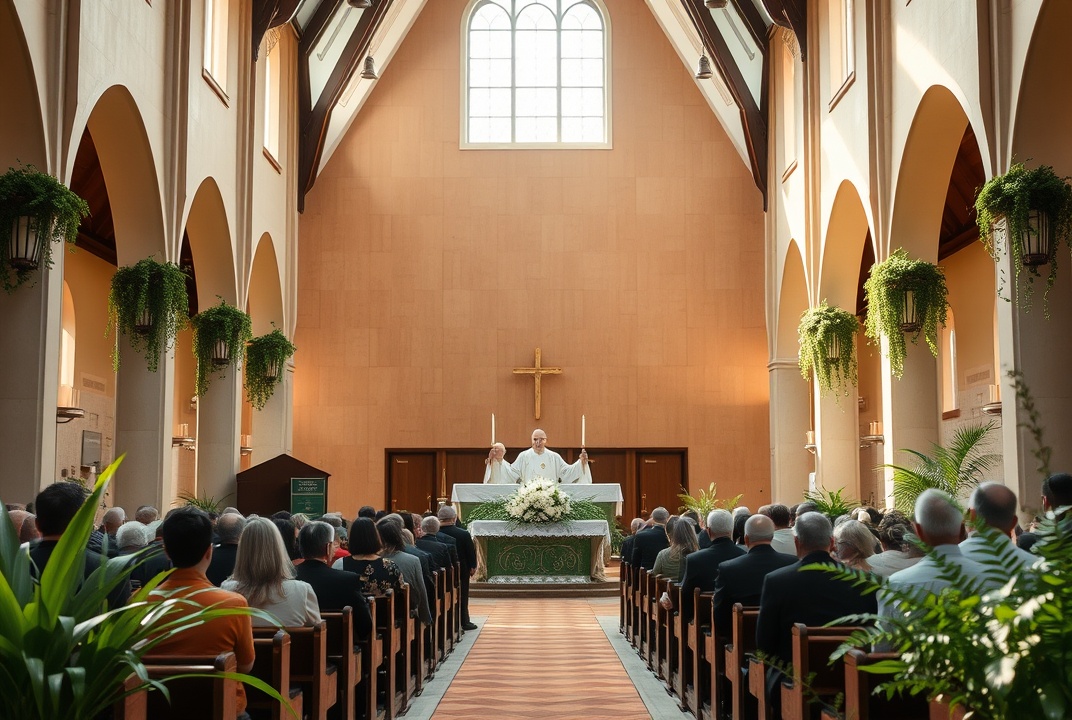
The Catholic funeral Mass is a profound act of worship, a prayerful remembrance of the deceased and a solemn affirmation of our faith in the resurrection. At its heart lie the scripture readings, which are far more than just a traditional element. They are the voice of God speaking to us, offering solace, encouragement, and a theological framework for understanding death. These readings help us to grapple with the difficult realities of loss while simultaneously pointing towards the hope of eternal life. They remind us that death is not an end, but a transition, a passage from this earthly life to the fullness of God’s presence.
Consider the immediate aftermath of a loss. The world can feel disorienting, and our emotions raw. This is precisely when the structured comfort of the Mass, and particularly the carefully selected Catholic readings for funerals, can be most potent. They provide a shared language and a common understanding of faith, uniting the grieving family and community in prayer. The readings offer reassurance that even in our deepest sorrow, we are not alone, and that God’s promise of hope and resurrection is steadfast. They help to shift our focus from the finality of earthly death to the joyful anticipation of reunion in heaven.
Old Testament Readings: Echoes of Hope and Divine Promise
The Old Testament, though preceding Christ, lays a foundational understanding of God’s covenant and His unwavering love for humanity. The selected readings from this era often speak of God’s power over death and His promise of a future resurrection. These passages offer a historical perspective on God’s ongoing relationship with His people, demonstrating His faithfulness through the ages. They serve as a powerful testament to the enduring nature of God’s love, even in the face of human mortality.
For instance, a common and deeply comforting passage is from the Book of Wisdom (Wisdom 3:1-9). This reading beautifully articulates the idea that the souls of the just are in the hand of God, and that no torment can touch them. It speaks of their being tested and found worthy, and promises that they will shine like sparks among stubble. Imagine a family reflecting on this during their time of grief; it offers a mental image of enduring light and peace, a stark contrast to the darkness of their present loss. This scripture reassures them that their loved one is not forgotten but resting in God’s secure embrace.
Another powerful Old Testament selection often heard is from the Book of Job (Job 19:23-27a). While Job’s story is one of immense suffering, his declaration, “I know that my Redeemer lives, and at the last he will stand upon the earth; and after my skin has been destroyed, yet I shall see God,” is a profound expression of faith in future redemption. This reading, though born out of hardship, resonates deeply with the Christian belief in Christ’s resurrection and the ultimate triumph over death. It provides a historical precedent for unwavering hope in God’s saving power.
New Testament Readings: The Promise of Resurrection and Eternal Life
The New Testament, particularly the Gospels and the letters of Saint Paul, forms the bedrock of Christian hope in the resurrection. These readings directly articulate Jesus’ victory over death and His promise of eternal life for all who believe. They offer a clear and unambiguous message of hope that transcends the limitations of earthly existence. The centrality of Jesus Christ as the Risen Lord is emphasized, providing the ultimate assurance of what awaits the faithful departed. These scriptures are the very essence of our Christian funeral liturgy.
One of the most frequently chosen and profoundly moving New Testament readings is from the Gospel of John (John 6:37-40). Jesus says, “Everything that the Father gives me will come to me; and whoever comes to me I will never drive away.” He further reassures us, “For this is the will of my Father, that everyone who sees the Son and believes in him may have eternal life, and I will raise them up on the last day.” This passage is a direct promise from Jesus Himself, a guarantee of acceptance and eternal life for all who turn to Him. It’s a powerful reminder that our loved ones are in the hands of a loving Savior who will not abandon them.
Another immensely significant New Testament reading comes from Paul’s First Letter to the Thessalonians (1 Thessalonians 4:13-18). Paul addresses the anxieties surrounding the death of believers, stating, “We do not want you to be uninformed, brothers and sisters, About those who have died, so that you may not grieve as others do who have no hope.” He then goes on to describe the joyful reunion that will occur when Christ returns, with the dead in Christ rising first. This passage offers immense comfort to those who fear separation and provides a vision of ultimate reunion in the presence of God, filled with joy and peace.
Choosing Readings for a Personal and Meaningful Funeral
While the Church provides a recommended list of readings, there is often an opportunity for families to select passages that hold particular significance for the deceased and the grieving community. This process can be both challenging and deeply rewarding, allowing for a more personalized and meaningful tribute. The goal is to choose scripture that truly speaks to the life and spirit of the person being remembered, while still upholding the core tenets of Catholic faith regarding death and resurrection.
When making these selections, consider the personality and life experiences of your loved one. Did they have a particular devotion to a saint? Were they known for their incredible kindness, their unwavering faith, or their resilient spirit? Perhaps a reading that highlights virtues like charity, hope, or perseverance would resonate. For example, if the deceased was known for their immense compassion, a passage from the Gospel of Matthew (Matthew 25:34-40), where Jesus speaks of feeding the hungry and welcoming the stranger, could be incredibly fitting. This reading emphasizes the importance of actions of love and service as reflections of faith, offering a beautiful way to honor a life lived virtuously.
Another approach is to consider readings that offer specific comfort and strength for the particular challenges the family might be facing. If there is a sense of unfinished business or lingering questions, a passage that emphasizes God’s ultimate justice and mercy might be chosen. Ultimately, the most impactful readings are often those that, when spoken aloud, feel like a direct message of love and reassurance from God to the grieving heart. Consulting with the priest or funeral director can provide valuable guidance in navigating these choices and ensuring the chosen scriptures are both appropriate and profoundly comforting.
The Liturgy of Hope: How Readings Shape the Funeral Service
The Catholic funeral liturgy is a carefully orchestrated event, with each element serving a distinct purpose in guiding the faithful through their grief towards hope. The scripture readings are not isolated moments; they are intertwined with prayers, music, and homily, creating a cohesive spiritual experience. The placement and delivery of these readings are designed to maximize their impact, offering moments of reflection, comfort, and spiritual uplift. They serve as the narrative thread that weaves through the entire service.
Following the initial rites and the opening prayer, the Mass typically includes two readings: one from the Old Testament and one from the New Testament, usually a Gospel reading. The homily, delivered by the priest, then explains and reflects upon these scriptures, connecting their timeless message to the life of the deceased and the spiritual journey of those present. This explanation helps the congregation to understand the deeper meaning of the readings and how they offer solace and guidance in their time of mourning. It transforms abstract words into personal encounters with God’s love and promise.
The readings also play a crucial role in the final commendation and farewell, where the Church entrusts the soul of the departed to God’s tender mercy. The comforting words of scripture continue to resonate, reinforcing the belief that death is not the end but a transition into God’s loving presence. The entire liturgy, therefore, is designed to be a powerful testament to the resurrection, offering a profound sense of peace and the assurance of eternal life for the departed and hope for those left behind.
Frequently Asked Questions: Catholic Readings for Funerals
What are Catholic funeral readings?
Catholic funeral readings are scripture passages chosen from the Old and New Testaments that are read during a Catholic funeral Mass. They offer comfort, hope, and reflect on themes of life, death, resurrection, and God’s love and mercy.
Who chooses the readings for a Catholic funeral?
Typically, the family of the deceased, in consultation with the priest or deacon, chooses the scripture readings for the funeral Mass. They may select readings that were particularly meaningful to the deceased or that best express their grief and hopes for eternal life.
Where can I find a list of suggested Catholic funeral readings?
A comprehensive list of suggested readings can be found in the Roman Missal, specifically within the resources for the Funeral Mass. Many parish websites and Catholic funeral planning guides also offer curated lists of appropriate scripture passages.
What are the common themes in Catholic funeral readings?
Common themes include the promise of eternal life, God’s unwavering love and mercy, comfort for the grieving, the resurrection of Christ as a symbol of hope for believers, and the journey of faith.
Can I choose readings that are not on the traditional list?
While there are recommended readings, the Church encourages families to select passages that resonate with their faith and the life of the deceased. The priest or deacon will guide this selection to ensure the readings align with Catholic teaching and the spirit of the liturgy.
How many readings are usually included in a Catholic funeral Mass?
A typical Catholic funeral Mass includes three readings:
A reading from the Old Testament (First Reading)
A reading from the New Testament letters (Second Reading)
A reading from the Gospels (Gospel Reading)
There may also be a Responsorial Psalm.
What is the purpose of the Responsorial Psalm at a funeral?
The Responsorial Psalm is a prayerful response to the Word of God, often expressing trust in God, lament, or praise. For funerals, psalms are chosen that offer comfort and hope, reflecting on God’s presence and protection.
What are some popular Old Testament readings for Catholic funerals?
Popular Old Testament readings include passages from the Books of Wisdom (e.g., Wisdom 3:1-9, 13-19), Isaiah (e.g., Isaiah 25:6a, 7-9), and Daniel (e.g., Daniel 12:1-3, 13). These readings often speak of God’s eternal plan, the hope of resurrection, and deliverance.
What are some popular New Testament readings for Catholic funerals?
Popular New Testament readings include passages from the letters of St. Paul (e.g., Romans 8:31-35, 37-39; 1 Thessalonians 4:13-18) and from the Gospels (e.g., John 6:37-40; John 11:17-27; John 14:1-6, 27-28). These readings often focus on Christ’s resurrection, the promise of eternal life, and Jesus’ assurance of peace.
Are there specific readings for different types of funerals (e.g., infant, young adult)?
While the core readings remain consistent, the family and priest may choose specific passages that are particularly poignant or relevant to the circumstances of the deceased’s life and death. For example, readings highlighting God’s encompassing love and protection might be favored for the funeral of a child.