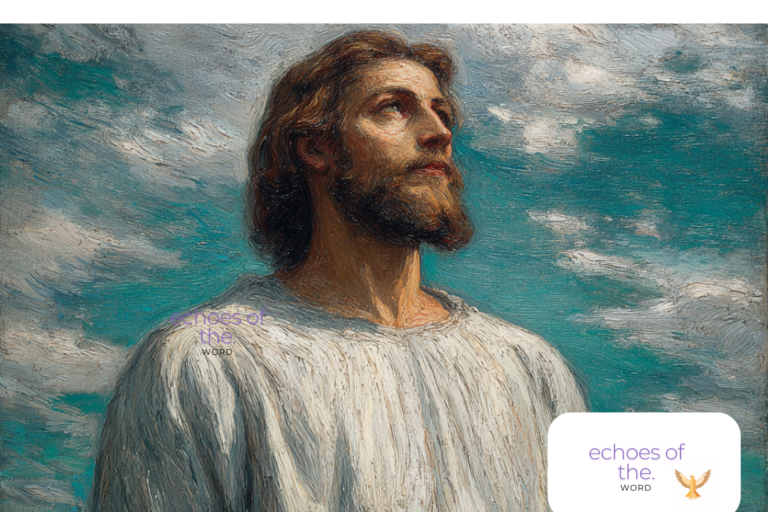
The Foundation of Faith: Understanding the Role of a Disciple
The word “disciple” often conjures images of a devoted follower, someone who trails closely behind a revered leader, absorbing their teachings and mimicking their actions. In the context of religion, and particularly within the narrative of the Bible, this understanding is a good starting point. However, the biblical concept of a disciple is far richer and more dynamic than mere imitation. A disciple isn’t just passively listening; they are actively learning, transforming, and ultimately, being sent out to carry the message forward. Think of it like this: a pottery apprentice doesn’t just watch the master at work; they get their hands dirty, experiment, fail, and eventually, develop their own skill and artistic voice. Biblical discipleship is a similar journey of rigorous training, personal growth, and eventual independent contribution.
Throughout scripture, we see various individuals responding to a divine calling, embracing a path of learning and commitment. These weren’t always the most qualified or prominent people in society. Often, they were ordinary individuals with everyday lives – fishermen, tax collectors, women who were marginalized – who were chosen and called to a higher purpose. This inclusivity underscores a fundamental aspect of biblical discipleship: it’s accessible to anyone willing to surrender their will and dedicate themselves to God’s plan. The examples we find are not just historical figures; they serve as enduring models for us today, illustrating the transformative power of a committed relationship with the divine.
The Twelve: The Inner Circle of Jesus’ Ministry
When we discuss biblical disciples, the most prominent group that comes to mind is the twelve apostles chosen by Jesus. These men were handpicked from various walks of life, representing a diverse cross-section of Jewish society in the first century. Their selection wasn’t random; it was a deliberate act by Jesus to equip a core team who would witness his ministry firsthand, learn his teachings intimately, and then become the foundational pillars of the early Christian church. Their journey was marked by profound miracles, intimate conversations, and significant challenges, all of which shaped them into the messengers of the Gospel.
Consider Simon Peter, a fisherman who, despite his impulsive nature and moments of doubt (remember when he denied Jesus three times?), became a steadfast leader and a prominent voice in the early church. His transformation from a simple fisherman to a bold preacher is a testament to the transformative power of discipleship. Then there’s Matthew, a tax collector, an often-disdained profession, who was called out of his profession to follow Jesus. His willingness to abandon his livelihood for a life of service highlights the radical nature of Jesus’ call and the potential for profound change in anyone who answers it. The twelve represent a spectrum of personalities and backgrounds, proving that God can use anyone, regardless of their past or perceived limitations, to accomplish His purposes.
Beyond the Twelve: A Wider Circle of Followers
While the twelve apostles are central to the narrative, it’s crucial to recognize that Jesus’ ministry attracted a much broader circle of disciples. These individuals, often women, also played vital roles in supporting Jesus and spreading his message. They weren’t always on the front lines of public preaching, but their dedication and support were indispensable. Think of Mary Magdalene, who was present at the crucifixion and the first to witness the resurrection, becoming a crucial witness to the most pivotal event in Christian history. Her devotion, even in the face of immense grief and fear, exemplifies the loyalty and courage that can blossom through discipleship.
We also read About other women like Joanna and Susanna, who are mentioned as using their own resources to support Jesus and his disciples. This highlights that discipleship isn’t solely About grand pronouncements or public ministry. It also encompasses acts of generosity, service, and practical support. These women, though perhaps less recognized in some historical tellings, were integral to the functioning of Jesus’ itinerant ministry. Their commitment demonstrates that discipleship can manifest in a multitude of ways, each equally valuable in furthering the mission. This broader understanding of discipleship encourages us to consider how our own unique gifts and resources can be offered in service.
Disciples in the Early Church: Carrying the Torch
Following Jesus’ ascension, the task of discipleship didn’t cease; it intensified and expanded. The early followers, empowered by the Holy Spirit, became ardent evangelists, carrying the teachings of Jesus to new territories and diverse cultures. This period showcases a new generation of disciples, individuals who, inspired by the original apostles, took up the mantle of spreading the Gospel. Their journeys were often fraught with persecution and hardship, yet their commitment remained unwavering, demonstrating the deep-seated impact of their transformation.
One remarkable example is Paul, who began his journey as a fierce persecutor of Christians. His dramatic conversion on the road to Damascus transformed him into one of the most influential apostles, authoring a significant portion of the New Testament and undertaking extensive missionary journeys. Paul’s story is a powerful illustration of radical transformation and redemption, proving that even the most unlikely individuals can become instrumental in God’s work. His life demonstrates that discipleship is not About a static position but a dynamic process of becoming and serving.
Another significant figure is Barnabas, a companion and mentor to Paul. Barnabas is often described as a man of great kindness and generosity, a source of encouragement to others. His willingness to lend his support and resources to the nascent Christian movement highlights the importance of community and mutual encouragement in the life of a disciple. The early church thrived not just because of bold preachers, but also because of individuals like Barnabas who fostered growth and provided steadfast support, showcasing the diverse roles disciples play in building up the faith community.
Lessons for Us Today: Embracing the Call to Discipleship
The biblical examples of disciples offer profound and relatable lessons for us living in the 21st century. We are not called to be mere spectators but to actively engage with our faith in a meaningful way. The journey of a disciple is one of continuous learning, personal growth, and selfless service. Just as the early disciples grappled with their doubts and imperfections, we too will encounter challenges and moments of uncertainty. The key lies in our willingness to persevere, to learn from our mistakes, and to continually seek a deeper understanding of God’s will.
Consider the everyday discipleship of individuals who may not be famous but who consistently live out their faith through acts of compassion, justice, and love. These are the people who volunteer at shelters, mentor young people, or simply offer a listening ear to a struggling neighbor. Their lives echo the spirit of the biblical disciples, demonstrating that true discipleship is About living out our faith in tangible ways, impacting the world around us with the transformative love we have received. The call to discipleship is an ongoing invitation to deepen our relationship with God and to become agents of His grace in the world.
Frequently Asked Questions About Biblical Disciples
Who were the original twelve disciples of Jesus?
The original twelve disciples of Jesus, chosen to be his closest followers and apostles, were: Simon Peter, Andrew, James (son of Zebedee), John (son of Zebedee), Philip, Bartholomew, Thomas, Matthew, James (son of Alphaeus), Thaddaeus, Simon the Zealot, and Judas Iscariot.
Were there other disciples besides the twelve?
Yes, the Bible mentions other individuals who followed Jesus and were part of his broader group of disciples. Examples include women like Mary Magdalene, Joanna, and Susanna, who supported Jesus financially and accompanied him. Other male followers are also mentioned, though not as part of the inner circle of the twelve.
What was the role of the disciples?
The primary role of the disciples was to learn from Jesus, to witness his teachings and miracles, and then to spread his message and teachings after his ascension. They were commissioned to go and make disciples of all nations.
Did all the disciples remain faithful to Jesus?
While all the original twelve were called and sent out, one, Judas Iscariot, betrayed Jesus. However, the others, after some initial fear and doubt following Jesus’ crucifixion, were empowered by the Holy Spirit and became foundational figures of the early Christian church.
What does it mean to be a disciple in Christianity?
In Christianity, being a disciple means more than just believing in Jesus. It involves actively following his teachings, imitating his life and character, and dedicating one’s life to serving God and others according to his example. It’s a commitment to a transformative lifestyle of love, obedience, and mission.