Unlocking Deeper Faith: The Art and Inspiration of Bible Journaling Verses
In a world that often feels overwhelming and fast-paced, many of us yearn for a deeper connection to our faith. We seek solace, guidance, and a way to personally engage with the timeless wisdom of the Bible. While reading scripture is a foundational practice, there’s a growing movement that breathes new life into this ancient text: Bible journaling. This practice isn’t About artistic perfection; it’s About intentional reflection, creative expression, and a profound way to let God’s Word permeate your heart and mind. It’s a journey of discovery, a sacred space where the verses you encounter become more than just words on a page – they become a living, breathing dialogue.
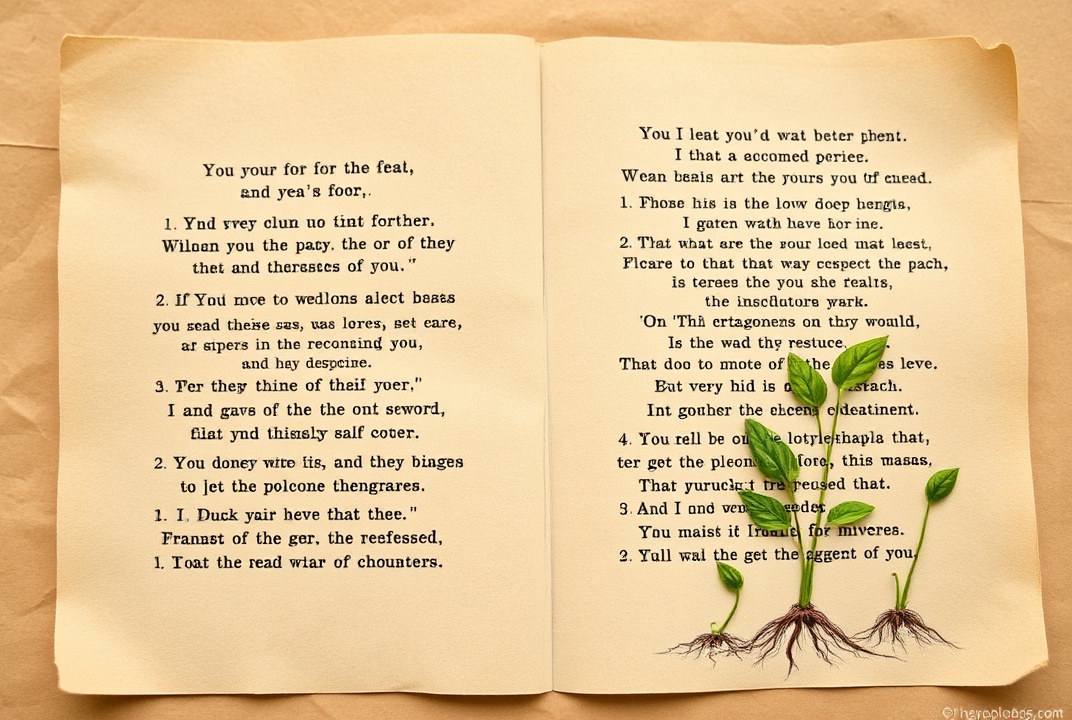
Bible journaling is essentially a visual and written conversation with God through His Word. It’s a personal devotional tool that combines the act of reading the Bible with creative expression, such as writing, drawing, painting, or simply highlighting. The goal is to internalize scripture, understand its relevance to your life, and foster a more intimate relationship with the Divine. This article will explore the beauty and power of Bible journaling verses, offering practical tips, inspirational ideas, and a roadmap for embarking on your own unique spiritual journey.
The essence of Bible journaling lies in its ability to transform passive reading into active participation. When we simply skim a passage, the words can easily fade into the background. However, when we select a specific Bible journaling verse, dedicate time to ponder its meaning, and then translate that understanding into a visual or written form, the impact is far more profound. This act of engagement creates a tangible connection to the scripture, making it more memorable and applicable to our daily lives. It’s like taking a seed and planting it in fertile soil, nurturing it with attention and care until it blossoms.
Consider the verse from Jeremiah 29:11: “For I know the plans I have for you,” declares the LORD, “plans to prosper you and not to harm you, plans to give you hope and a future.” When you journal this verse, you’re not just reading About God’s plans; you’re inviting those plans into your personal narrative. You might write down your own hopes and dreams, illustrating them with symbols of God’s faithfulness. Perhaps you’re facing uncertainty, and this verse becomes a beacon of hope, a reminder that even in challenging times, God’s intentions are good. This personalized approach makes the abstract concept of divine planning feel intensely real and reassuring.
The Transformative Power of Personal Connection
The real magic of Bible journaling verses happens when we move beyond mere transcription and begin to unpack the verse’s personal meaning. This involves asking questions like: “How does this apply to my current situation?” “What emotions does this verse evoke?” “What action steps does this inspire?” By answering these questions, we personalize the scripture, making it a relevant guide for our lives. This isn’t About imposing our own interpretations but About allowing the Holy Spirit to illuminate the Word and speak directly to our hearts.
For instance, when journaling Philippians 4:6-7: “Do not be anxious About anything, but in every situation, by prayer and petition, with thanksgiving, present your requests to God. And the peace of God, which transcends all understanding, will guard your hearts and your minds in Christ Jesus.” you can transform a general admonition against anxiety into a practical tool for spiritual warfare. You might create a spread with a prominent depiction of a worried mind being replaced by a serene heart, accompanied by a list of your specific anxieties and the prayers you’ve offered. This visual representation and written confession become a powerful reminder of God’s promise to bring peace that surpasses earthly understanding, offering a tangible strategy for navigating worry.
Getting Started: Your First Steps into Bible Journaling Verses
The beauty of Bible journaling is its accessibility. You don’t need to be an accomplished artist or a theologian to begin. All you truly need is a Bible, a notebook or journal, and a willing heart ready to engage with God’s Word. Start simple. Choose a verse that speaks to you in this season of your life. It could be a verse you’ve always loved, a verse that addresses a particular struggle, or a verse that offers a fresh perspective. Don’t feel pressured to create a masterpiece; the process of reflection and connection is the priority.
A great starting point is to focus on key Bible journaling verses that offer fundamental truths. Consider Psalm 23:1: “The LORD is my shepherd; I shall not want.” When you journal this verse, you could draw sheep, a shepherd’s crook, or simply write the verse in a way that emphasizes God’s provision. You might add a list of things God has provided for you in the past, reinforcing the truth of His guiding care. The simplicity of this approach allows for deep introspection without intimidation, making it an ideal entry point for beginners. Remember, the goal is spiritual growth, not artistic acclaim.
Practical Tips for Your Journaling Journey
Once you’ve chosen your verse, the next step is to dig deeper. Read the verse in its context. What comes before and after it? Who was the intended audience? What was the historical or cultural setting? This background information can unlock layers of meaning you might not have noticed before. Then, reflect on what the verse means for you today. Write down your thoughts, feelings, and any insights that come to mind. Don’t censor yourself; let your authentic response flow onto the page.
Here are some essential tools and techniques to consider for your Bible journaling journey:
A Dedicated Journal: Any notebook will do, but many prefer a journal with thicker paper to prevent bleed-through from pens or markers.
Your Bible: You can use a dedicated journaling Bible with wider margins for writing and drawing, or simply use your existing Bible and jot down notes in a separate notebook.
Writing Utensils: A variety of pens, pencils, and colored markers can add visual interest and help you express different emotions or ideas.
Stickers, Washi Tape, and Stamps: These decorative elements can add flair and help you visually represent themes or create borders.
Highlighters and Colored Pencils: Use these to emphasize key words, phrases, or to add color that reflects the mood of the verse.
Prayer and Reflection: Before you begin, take a moment to pray for guidance and clarity.
The key is to find what works for you and what helps you connect with the Word most effectively.
Finding Inspiration in Bible Journaling Verses
The beauty of Bible journaling verses is that they are limitless in their potential for inspiration. Every page of scripture holds a treasure trove of wisdom, encouragement, and divine revelation. As you begin to explore the practice, you’ll discover that certain themes and passages will naturally draw you in. Don’t be afraid to follow your spiritual intuition and let God lead you to the verses He wants you to focus on.
For example, when you’re feeling overwhelmed by life’s demands, you might be drawn to Matthew 11:28: “Come to me, all you who are weary and burdened, and I will give you rest.” Your journaling might involve drawing a peaceful landscape, writing About your burdens, and then illustrating the relief that comes from handing them over to Jesus. This act of visualizing surrender and rest can be incredibly therapeutic and faith-affirming. It transforms a simple invitation into a personal encounter with God’s restorative power.
The creative aspect of Bible journaling is where personal expression truly flourishes. There are no strict rules, and the possibilities are as vast as your imagination. You can keep it simple with just a few well-chosen words and a bit of color, or you can go all out with detailed drawings and intricate designs. The most important thing is that your creative choices enhance your understanding and appreciation of the Bible journaling verse.
Here are some creative approaches to illustrating your faith:
Doodling and Sketching: Draw simple images that represent the core message of the verse. For John 3:16: “For God so loved the world that he gave his one and only Son, that whoever believes in him shall not perish but have eternal life.” you might sketch a cross, a heart, or a light emanating from the heavens.
Coloring and Painting: Use watercolors, colored pencils, or markers to add vibrancy and emotion to your pages. The colors you choose can reflect the tone of the verse – bright colors for joy, calming blues for peace, or fiery reds for passion.
Hand Lettering: Experiment with different fonts and styles to write out the verse in an artistic way. This can be a beautiful way to emphasize the scriptural text itself.
Collage: Cut out images from magazines or printouts that visually represent the themes of the verse and paste them into your journal.
Using Quotes and Annotations: Add related quotes from hymns, sermons, or other scripture to further explore the meaning of your chosen verse.
Remember, the goal is to create a visual prayer that deepens your connection to the scripture.
The Enduring Impact of Bible Journaling Verses on Your Spiritual Life
The practice of Bible journaling verses is more than just a hobby; it’s a transformative spiritual discipline. As you consistently engage with God’s Word in this creative and reflective way, you’ll begin to notice significant shifts in your spiritual life. Your understanding of scripture will deepen, your faith will strengthen, and your relationship with God will become more intimate and vibrant. The verses you journal will become anchors in the storm, reminders of His promises, and guides for your journey.
The beauty of this practice is its lasting impact. The verses you’ve journaled become a personal testament to God’s faithfulness in your life. Flipping back through your journal, you can revisit moments of doubt that were overcome by His truth, times of joy that were amplified by His presence, and challenges that were met with His strength. For example, when you revisit a journal entry for Romans 8:28: “And we know that in all things God works for the good of those who love him, who have been called according to his purpose.” you might recall a specific difficult situation that, in hindsight, led to unexpected blessings. This tangible evidence of God’s hand at work in your life is incredibly encouraging and fortifying.
Cultivating a Deeper Relationship with God
Ultimately, Bible journaling is About cultivating a deeper, more personal relationship with God. It’s About moving beyond intellectual knowledge of scripture to a heart-level understanding and application. When you pour your thoughts, prayers, and artistic expressions onto the pages of your journal alongside God’s Word, you are essentially laying your heart bare before Him, inviting Him to speak into every area of your life. This intentional dwelling in His Word fosters a profound sense of connection and intimacy.
As you continue your Bible journaling verses journey, remember that it’s a marathon, not a sprint. There will be days when inspiration flows freely, and days when it feels like a struggle. Embrace the process, be patient with yourself, and trust that God is using this practice to draw you closer to Him. The Bible journaling verses you choose, the art you create, and the words you write are all part of a beautiful, ongoing conversation with the One who loves you most. This sacred space for reflection and creative connection will undoubtedly enrich your faith and lead you into a more profound walk with the Divine.
Frequently Asked Questions About Bible Journaling and Religion
What is Bible journaling?
Bible journaling is a practice of combining scripture reading with creative expression, often by writing, doodling, or painting in the margins of a Bible. It’s a way to engage with God’s Word on a deeper, more personal level, reflecting on its meaning and applying it to your life.
What are the benefits of Bible journaling?
Bible journaling can lead to increased understanding of scripture, a more intimate relationship with God, a tangible record of your spiritual journey, and a creative outlet for worship. It helps you slow down and meditate on God’s Word, making it more memorable and applicable.
Do I need a special Bible for journaling?
While there are Bibles specifically designed for journaling with wider margins (often called “Journaling Bibles”), you can absolutely journal in any Bible you own. You can also use a separate notebook alongside your regular Bible if you prefer not to write directly in it.
What kind of supplies do I need for Bible journaling?
Basic supplies can include pens, pencils, highlighters, and colored pencils. Many people also use markers, watercolors, stamps, stickers, washi tape, and other craft supplies to add creativity to their pages. It’s important to note that some pens and markers can bleed through thin Bible pages, so experimenting with different types is recommended.
Is there a “right” way to Bible journal?
No, there is no single “right” way to Bible journal. It is a deeply personal practice. Some people focus on writing reflections and prayers, while others are more artistic with their entries. The goal is to connect with God through His Word in a way that is meaningful to you.
How do I get started with Bible journaling?
Start simple! Choose a verse or passage that speaks to you. Read it slowly, perhaps multiple times. Ask yourself what God might be saying to you through it. Then, in your Bible or journal, write the verse, a key phrase, your thoughts, a prayer, or even a simple drawing related to the passage. Don’t worry About perfection; just begin.
Is Bible journaling a religious requirement?
No, Bible journaling is not a mandated religious practice within Christianity. It is a devotional discipline that many believers find enriching and helpful for their faith journey, but it is not considered a requirement for salvation or to be a faithful follower of Christ.
How does Bible journaling relate to my faith and relationship with God?
Bible journaling is a tool that can deepen your faith by encouraging consistent engagement with scripture. Through reflection and creative expression, you can gain new insights into God’s character, His promises, and His will for your life, fostering a more intimate and personal relationship with Him.
Can people of different religious backgrounds engage in Bible journaling?
While the term “Bible journaling” specifically refers to engaging with the Christian Bible, the concept of journaling scripture or spiritual texts can be adapted by individuals of various religious or spiritual backgrounds. However, within the Christian context, it is understood as an act of devotion to the Christian God.