A Compassionate Guide to Understanding and Creating a Sample Catholic Funeral Program
The passing of a loved one is an profoundly emotional experience, and navigating the practicalities of funeral arrangements can feel overwhelming. For those within the Catholic faith, a sample Catholic funeral program serves as a vital tool, not just for outlining the service, but as a tangible expression of faith, remembrance, and hope. This article aims to demystify the creation and importance of a funeral program, offering practical advice and insightful explanations to help you honor your departed with dignity and grace, all within the rich tradition of the Catholic Church.
Understanding the purpose of a funeral program goes beyond mere logistics. It’s a sacred booklet that guides attendees through the liturgy, offering prayers, readings, and hymns that are central to a Catholic funeral Mass. This religious document provides a sense of order and shared experience during a time of grief, allowing mourners to participate actively and find solace in communal prayer and reflection. Whether you’re a family member planning the service or a friend seeking to understand the proceedings, this guide will illuminate the significance and composition of a typical sample Catholic funeral program.
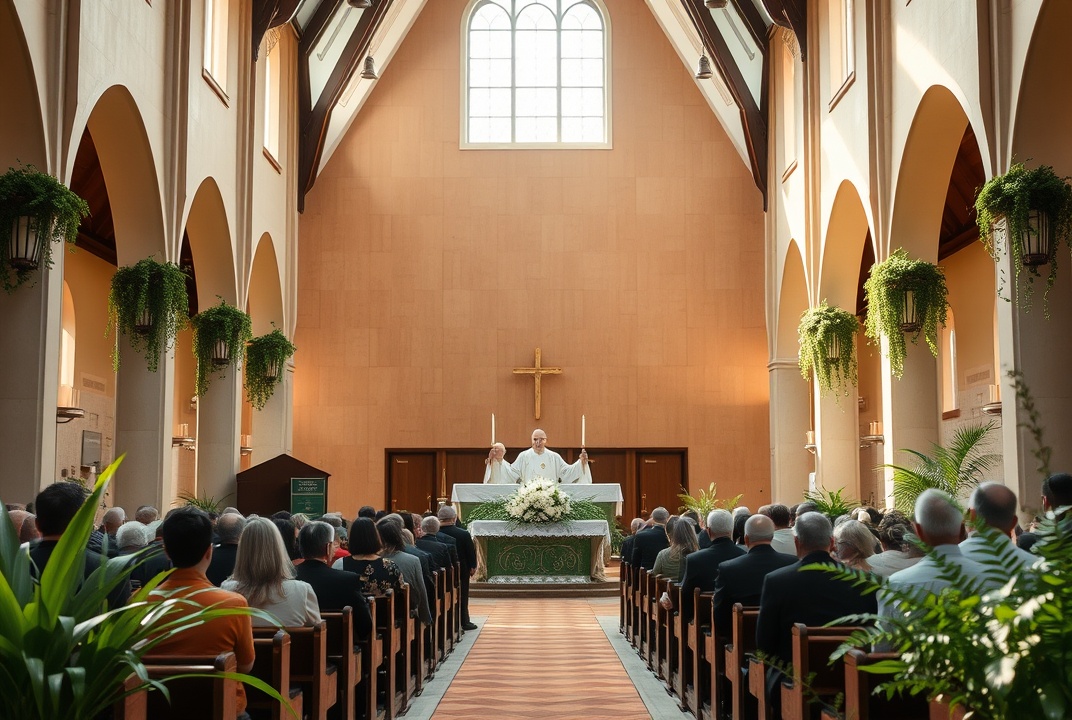
The Catholic funeral Mass is a cornerstone of the Church’s pastoral care for the grieving. It is not simply a memorial service, but a sacrificial offering to God for the soul of the deceased and a celebration of the resurrection for the living. The Mass offers prayers for the departed, asking for God’s mercy and the eternal rest of their soul, while simultaneously providing comfort and spiritual strength to those who mourn. This religious ritual is deeply rooted in the belief in the communion of saints and the hope of eternal life.
Within the context of the Mass, the sample Catholic funeral program acts as a roadmap. It outlines the specific prayers, scripture readings, and hymns chosen for that particular service, reflecting the personality and faith journey of the deceased. It allows attendees, regardless of their familiarity with Catholic liturgy, to follow along, participate in responses, and understand the theological significance of each element. This shared experience fosters a sense of community and spiritual connection, reminding everyone present that they are united in their love for the departed and their faith in God’s eternal love.
Key Components of a Catholic Funeral Mass
The structure of a Catholic funeral Mass is rich with symbolism and meaning. It typically follows a specific order of service, designed to guide the faithful through prayer, scripture, and communion. Understanding these components can make the sample Catholic funeral program much more comprehensible and meaningful.
The Mass begins with an Introductory Rite, which includes the entrance procession, greeting, and the Penitential Act, where we acknowledge our sins and ask for God’s forgiveness. This is followed by the Liturgy of the Word, featuring scripture readings from the Old and New Testaments, chosen to reflect themes of hope, resurrection, and God’s enduring love. A homily, or sermon, usually follows, offering reflections on the readings and their relevance to the deceased’s life and our own faith.
The heart of the Mass is the Liturgy of the Eucharist. Here, the bread and wine are consecrated, becoming the Body and Blood of Christ. This is a profound moment of communion, where the faithful are united with Christ and with each other. Finally, the Concluding Rite includes the final commendation and farewell, where prayers are offered for the deceased’s journey to eternal life, and a blessing. The sample Catholic funeral program will clearly delineate each of these sections, often including the specific prayers and responses to be recited.
Creating a sample Catholic funeral program is an act of love and remembrance. It’s an opportunity to personalize the service and provide a lasting keepsake for family and friends. While the core elements are traditional, there’s ample room for individual touches that honor the unique life of your loved one.
When considering the design of a sample Catholic funeral program, think About what best reflects the personality and spirit of the deceased. This could involve choosing a particular font, color scheme, or even incorporating a meaningful photograph. The program should be clear, concise, and easy to read, ensuring that all attendees can follow along with the liturgy. It’s often a good idea to have a draft reviewed by a family member or a funeral director to ensure accuracy and completeness.
Essential Information to Include
A well-crafted sample Catholic funeral program should contain all the necessary information for a smooth and meaningful service. This ensures that everyone present can participate fully and feel informed.
The Deceased’s Name: Prominently displayed, often with their birth and death dates.
Order of Service: A clear outline of the Mass, including headings for each section (e.g., Entrance, Liturgy of the Word, Liturgy of the Eucharist, Conclusion).
Scripture Readings: The titles and sometimes the full text of the chosen Bible verses. For example, a common reading might be John 11:25-26: “Jesus said to her, ‘I am the resurrection and the life. Whoever believes in me, even though they die, will live, and everyone who lives and believes in me will never die.'”
Prayers and Responses: Any specific prayers or responses that the congregation will recite.
Hymns: The titles of the hymns to be sung, and sometimes the lyrics if space permits or if they are less common.
Pallbearers and Honorary Pallbearers: If applicable, their names will be listed.
Obituary or Biography (Optional): A brief summary of the deceased’s life, accomplishments, and family.
Acknowledgements: A space to thank those who have helped during this difficult time.
Contact Information: For those who wish to send cards or make donations.
The inclusion of a photograph of the deceased is a very common and cherished element in many a sample Catholic funeral program. This personal touch allows attendees to visually remember their loved one and can evoke fond memories.
Personal Touches and Customization
While the sample Catholic funeral program adheres to liturgical guidelines, personal touches can make it truly special. This is where you can infuse the program with the essence of your loved one’s life and spirit.
Consider including favorite poems, quotes, or even a short personal message from the family. Some families choose to include a brief anecdote or a reflection on their loved one’s character. For instance, if your grandmother was known for her incredible kindness, you might include a quote About compassion or a short paragraph highlighting her charitable works. The chosen hymns can also be deeply personal, perhaps reflecting a song that was significant to the deceased or their family. A truly thoughtful sample Catholic funeral program will feel like a reflection of the person being honored.
The Catholic funeral Mass is imbued with profound religious and spiritual significance. It’s a moment to reflect on faith, mortality, and the promise of eternal life, offering comfort and hope to those who are grieving. The sample Catholic funeral program is designed to facilitate this spiritual journey for all attendees.
Understanding the theological underpinnings of the Mass helps to appreciate the purpose of each element presented in the sample Catholic funeral program. The prayers for the deceased are not just requests for peace, but an expression of the belief that through God’s mercy, the soul can attain salvation. The readings from scripture offer solace by reminding us of Christ’s victory over death and the promise of resurrection. This religious framework provides a sense of continuity and faith, even in the face of loss.
Prayers for the Deceased and the Living
Prayer is central to the Catholic faith, and the funeral Mass is a time for fervent intercession for both the departed and those left behind. The sample Catholic funeral program will guide attendees through prayers that are both an appeal for mercy and an expression of hope.
The prayers for the deceased often include petitions for eternal rest, light, and peace. These prayers are rooted in the Church’s teaching on purgatory, a state of purification after death, and the belief that the prayers of the living can assist souls in their journey to heaven. For example, a common prayer might be: “May the angels lead him/her into paradise; may the martyrs receive him/her at your coming and lead you to the holy city, the new and eternal Jerusalem.” Simultaneously, the Mass includes prayers for the grieving family and friends, asking for comfort, strength, and peace during their time of sorrow.
The Hope of Resurrection and Eternal Life
One of the most powerful aspects of a Catholic funeral is the unwavering emphasis on the hope of resurrection and eternal life. This is not a somber occasion solely focused on death, but a celebration of life’s ultimate triumph over it through Jesus Christ. The sample Catholic funeral program will reflect this foundational belief.
The scripture readings and prayers are carefully chosen to reinforce this message. Passages like “I am the resurrection and the life” (John 11:25) offer a profound assurance of Christ’s power and the promise of a future existence beyond earthly life. The Eucharist, the central sacrament of the Mass, is itself a foretaste of the heavenly banquet. By participating in these sacred rites, attendees are reminded that while death is a reality, it is not the end, but a transition to an eternal life in the presence of God. This religious assurance provides immense solace and a lasting sense of hope.
In conclusion, a sample Catholic funeral program is more than just a printed document; it is a sacred guide that embodies the rich traditions, profound faith, and enduring hope of the Catholic Church. By understanding its components and significance, you can create a service that not only honors your loved one but also provides spiritual comfort and a meaningful experience for all who attend.
Frequently Asked Questions About Catholic Funeral Programs
What is a Catholic funeral program?
A Catholic funeral program is a booklet or pamphlet distributed to attendees at a Catholic funeral Mass. It typically includes the order of service, readings, prayers, hymns, and sometimes biographical information About the deceased. It serves as a guide for mourners to follow along with the liturgy and as a keepsake to remember the departed.
What information is usually found in a Catholic funeral program?
Common elements include:
The entrance procession song
The opening prayer
First, second, and Gospel readings (with names of readers)
Responsorial Psalm
Homily
Universal Prayer (Prayers of the Faithful)
Presentation of Gifts and Offertory song
Eucharistic Prayer
Communion song
Prayer after Communion
Final Commendation and Farewell
Recessional song
Obituary or brief biography of the deceased
Names of immediate family members
Sometimes, a photo of the deceased
Are there specific religious requirements for a Catholic funeral program?
While there are no strict rules dictating the exact format or content of a funeral program, it should reflect the Catholic liturgy and reverence for the deceased. The order of service should align with the rites of the Catholic Church. The readings and prayers chosen should be appropriate for a funeral Mass. It’s important to ensure the program respectfully represents the faith and the individual.
Can I include personal touches in a Catholic funeral program?
Yes, personal touches are often welcomed and can make the program more meaningful. This can include a favorite quote or poem, specific hymns chosen by the family, a brief personal reflection on the deceased’s life, or a special prayer. However, these should always be in keeping with the solemnity and religious nature of the occasion.
Who is responsible for creating a Catholic funeral program?
Typically, the immediate family of the deceased, in consultation with the funeral director and sometimes the parish priest or deacon, is responsible for creating the funeral program. The funeral director can offer guidance on content and design, and the clergy can ensure the liturgical elements are correct.
What is the purpose of the readings and prayers listed in the program?
The readings and prayers are integral parts of the Catholic funeral Mass. They are chosen to offer comfort to the bereaved, to pray for the soul of the departed, and to affirm faith in the resurrection and eternal life. The program allows attendees to follow along, participate in spoken prayers, and understand the spiritual significance of each part of the liturgy.
Should the program include information About the burial or committal service?
Often, the program will include details About the burial or committal service, including the location and time, if it follows the Mass. This helps mourners know where to proceed next.