Understanding the Purpose of Funeral Mass Readings
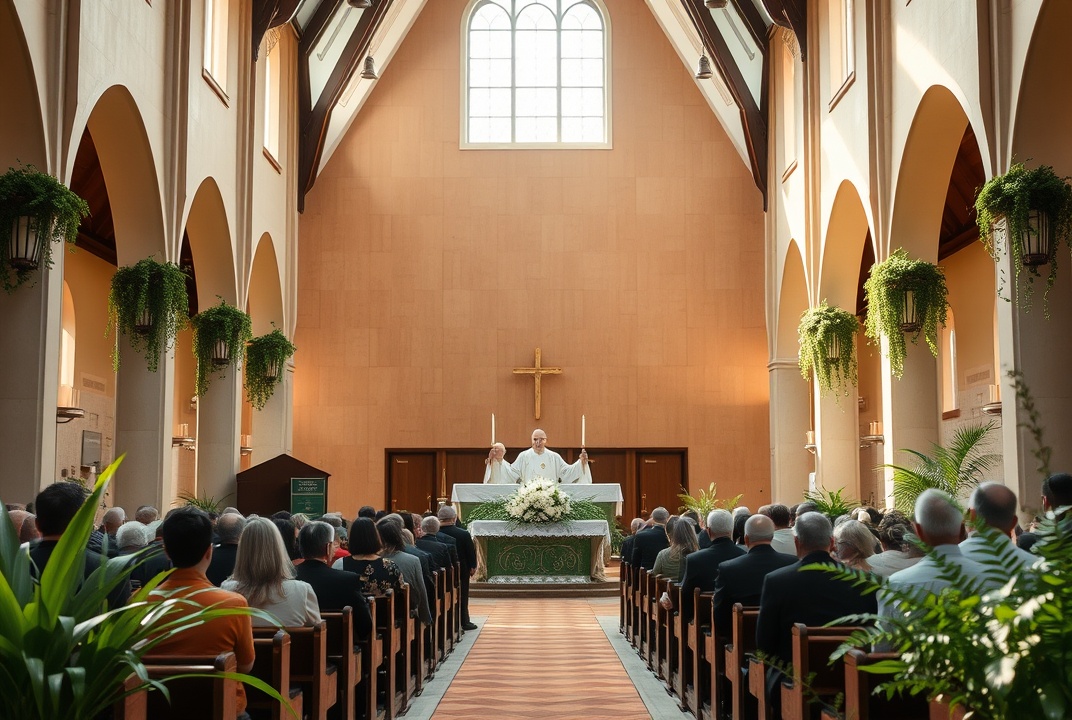
The Catholic funeral mass, a central rite of Christian burial, offers solace and spiritual guidance during a time of profound grief. At its heart are the carefully chosen funeral mass readings Catholic Church tradition holds sacred. These passages from Scripture are not merely recitations; they are living words of comfort, hope, and eternal promise. They serve as a profound reminder that death, while a passage of sorrow, is not an end but a transition to a life everlasting with God. The selection of readings is a deliberate act, aiming to address the pain of loss while simultaneously pointing towards the resurrection and the ultimate victory over death exemplified by Christ.
These readings are chosen to resonate with the specific circumstances of the deceased and the bereaved, offering a unique spiritual balm for those navigating the complexities of grief. Whether it’s a passage About God’s unfailing love, the promise of heaven, or the enduring strength of faith, each selection aims to illuminate the path forward and provide a framework for understanding death within the grand narrative of salvation. They are intended to foster a sense of peace and acceptance, reminding us that even in our deepest sorrow, we are held within the embrace of divine love and mercy.
The Old Testament: Echoes of Promise and God’s Steadfast Love
Before the coming of Christ, the Old Testament offered glimmers of hope and anticipation for a future resurrection. The funeral mass readings Catholic Church selects from this ancient testament often speak of God’s unchanging faithfulness and His promises of eternal life. These readings can offer a profound sense of continuity, reminding us that God’s plan for humanity has always extended beyond the earthly realm. For instance, passages like Daniel 12:2, which speaks of “those who sleep in the dust of the earth will awake,” provide an early testament to the belief in an afterlife.
These selections, such as the often-recited Job 19:23-27, where Job voices his profound trust in a Redeemer who will vindicate him even after death, or Isaiah 25:6-9, which paints a vivid picture of a heavenly banquet where death is swallowed up forever, serve to anchor our faith in the face of the unknown. They remind us that throughout history, God has revealed Himself as a loving creator and redeemer, who desires for all His children to share in His eternal glory. These readings offer a historical perspective on our faith, showing that the hope of resurrection is an ancient and deeply rooted belief within the Judeo-Christian tradition.
The New Testament: The Gospel of Hope and the Resurrection of Christ
The New Testament, particularly the Gospels and the Epistles, forms the bedrock of the funeral mass readings Catholic Church offers. Here, the central mystery of our faith – the resurrection of Jesus Christ – takes center stage. These readings offer direct comfort and undeniable hope, grounded in the very event that defines Christian belief. The resurrection of Jesus is not just a historical event; it is the guarantee of our own future resurrection and the ultimate triumph over sin and death.
Passages like John 6:35-40, where Jesus declares, “I am the bread of life; whoever comes to me will never hunger, and whoever believes in me will never thirst,” speak to the nourishment and eternal life He offers. Similarly, Romans 8:14-23, which describes the groaning of creation awaiting its liberation and the glorious future of adopted children of God, provides a powerful theological framework for understanding suffering and the promise of redemption. These readings offer a personal invitation to eternal life through faith in Christ, assuring us that His love and sacrifice have paved the way for our own reunion with Him.
The Gospel of John: Witness to Eternal Life
The Gospel of John is particularly rich with funeral mass readings Catholic Church frequently selects. John’s Gospel emphasizes Jesus as the Word of God made flesh, the source of eternal life for all who believe. Passages like John 14:1-6, where Jesus reassures His disciples, “In my Father’s house there are many dwelling places… I go to prepare a place for you,” offer a powerful image of heaven as a prepared home, a place of comfort and reunion. This promise is incredibly reassuring to grieving families, offering a vision of a joyful reunion beyond earthly sorrow.
Another frequently chosen passage from John is John 11:25-27, where Jesus proclaims, “I am the resurrection and the life. The one who believes in me will live, even though they die.” This bold declaration of Jesus’ divine power over death is a cornerstone of Christian hope. It assures us that our loved ones, through their faith, are now united with the Risen Christ, experiencing a life that transcends the limitations of our mortal existence. This affirmation of the resurrection provides a profound sense of peace and a bulwark against despair.
The Epistles: The Apostle Paul’s Teachings on Resurrection and Hope
The letters of the Apostle Paul are another invaluable source for funeral mass readings Catholic Church utilizes. Paul’s writings delve deeply into the theology of the resurrection and the meaning of Christian hope in the face of death. His letters offer a clarity and depth of understanding that helps believers navigate the complexities of eternal life. For instance, 1 Thessalonians 4:13-18, which speaks of the Lord’s return and the resurrection of the faithful, offers a beautiful and comforting vision of believers being gathered together with Christ in the air.
Paul’s first letter to the Corinthians, chapter 15, is a masterpiece on the resurrection, and sections like 1 Corinthians 15:20-28 are often chosen. Here, Paul eloquently explains that Christ’s resurrection is the first fruits of those who have fallen asleep, signifying that all who are united with Him will also rise. He powerfully argues that without the resurrection, our faith would be in vain. This passage provides a robust theological foundation for our hope and assures us that death is not the final word, but rather a prelude to a glorious and transformed existence.
The Responsorial Psalm: A Song of Trust and Lament
The responsorial psalm in a Catholic funeral mass is a unique element, bridging the gap between Scripture and personal reflection. These are songs of prayer and emotion, offering a way for the congregation to express their grief, their trust, and their hope in a communal manner. The chosen psalm often reflects the emotional journey of mourning, moving from lament to a deepening trust in God’s presence. These psalms are powerful in their relatability and their ability to articulate feelings that are often difficult to put into words.
Many psalms express a cry for help in times of distress while simultaneously affirming God’s steadfast love and protection. For example, Psalm 23, “The Lord is my shepherd; I shall not want,” is a profoundly comforting choice, speaking of divine guidance and provision even through the darkest valleys. Other psalms, like Psalm 121, which speaks of looking to the hills for help and the Lord who will not let your foot slip, offer a powerful affirmation of God’s watchful care. The repetitive nature of the responsorial psalm, with the congregation responding with the same comforting refrain, fosters a sense of unity and shared faith, reminding us that we are not alone in our sorrow.
The Importance of Personal Reflection and Prayer
While the funeral mass readings Catholic Church provides are of immense spiritual value, their impact is deepened through personal reflection and prayer. Taking the time to meditate on the chosen Scripture passages can unlock their profound meaning and offer a personalized source of comfort. Consider how a particular reading might speak directly to your relationship with the deceased or address a specific fear you have About loss. This active engagement with the Word of God transforms passive listening into a transformative encounter.
It is also beneficial to pray for the soul of the departed and for the strength and peace of the grieving family. The funeral mass readings Catholic Church offers are not just historical texts; they are invitations to a deeper communion with God. By incorporating these readings into your personal prayer life, you can cultivate a lasting sense of hope and a deeper understanding of the eternal life promised to us. This personal connection to the divine provides an enduring solace that transcends the immediate pain of loss.
In conclusion, the funeral mass readings Catholic Church offers are a sacred tapestry of comfort, hope, and divine promise. They are living words designed to guide us through the sorrow of loss, reminding us of God’s unwavering love and the certainty of resurrection. By understanding their purpose and engaging with them prayerfully, we can find profound peace and strengthened faith during life’s most challenging moments. These readings are a testament to the enduring hope of eternal life that lies at the heart of our Catholic faith.
Frequently Asked Questions About Catholic Funeral Mass Readings
What are funeral Mass readings in the Catholic Church?
Funeral Mass readings are scripture passages selected from the Old and New Testaments that are proclaimed during the Catholic funeral Mass. These readings offer comfort, hope, and reflection on faith, death, and resurrection, drawing from the rich tradition of the Church’s understanding of eternal life.
What is the purpose of these readings?
The purpose of funeral Mass readings is multifaceted. They are intended to:
Offer consolation and hope to the grieving family and friends.
Affirm the Catholic belief in the resurrection of Jesus Christ and the promise of eternal life.
Remind attendees of God’s love and mercy.
Guide reflection on the deceased’s life in the context of their faith.
The choice of readings can vary. Often, the family of the deceased, in consultation with the priest or deacon presiding over the funeral, will select readings that are particularly meaningful to them or that reflect the life and faith of the departed. The Church also provides suggested readings for funeral Masses.
Are there specific readings for different occasions or types of funerals?
While there are no rigidly fixed readings for every situation, the Lectionary (the book of scripture readings used in Catholic liturgies) offers various options for funeral Masses. These options are often categorized to suit different circumstances, such as a funeral for a baptized adult, a child, or someone who died suddenly. The priest will guide the selection process.
What are some common themes found in funeral Mass readings?
Common themes include:
The resurrection of Jesus and the hope of eternal life.
God’s unwavering love and mercy.
The comfort and peace that comes from faith.
The spiritual journey and the passing from earthly life to heavenly rest.
The importance of prayer for the deceased.
The concept of Jesus as the Good Shepherd.
Can I request a specific Bible verse or passage?
Generally, yes. Families are encouraged to discuss their desires with the priest or deacon. While the priest has the ultimate responsibility for the liturgy and ensuring the readings are appropriate for a funeral Mass, they are usually open to considering family requests that align with the spirit and teachings of the Church.
Where do these readings come from?
The readings are drawn from the Holy Bible, specifically from both the Old Testament (First Reading) and the New Testament (Second Reading and Gospel Reading). The Responsorial Psalm is also a scripture passage, often from the Book of Psalms.
What is the role of the Responsorial Psalm?
The Responsorial Psalm is sung or recited between the First and Second Readings. It serves as a prayerful response to God’s word and often continues the themes of trust in God, comfort, and hope introduced in the First Reading.
How many readings are typically included in a funeral Mass?
A typical Catholic funeral Mass includes three readings:
The First Reading (from the Old Testament)
The Responsorial Psalm
The Second Reading (from the New Testament, usually an Epistle)
The Gospel Reading (from the Gospels)
Does the Church have specific books or lists of recommended readings?
Yes, the Catholic Church provides official lists of recommended readings in the Lectionary for Mass. These lists are organized to offer a variety of options that are spiritually appropriate for funerals. The priest will have access to these resources to help guide the selection.