The Art of Spiritual Generativity: 3 Essential Ways to Make Disciples
In the heart of many faith traditions lies a profound calling: to not just believe, but to actively help others grow in their spiritual journey. This isn’t About forceful conversion or rigid indoctrination; it’s About fostering genuine spiritual development, a process often beautifully termed “making disciples.” It’s a pathway that enriches not only the life of the one being discipled but also profoundly impacts the discipler and the wider community. Many of us, when we hear the term “discipleship,” might picture grand sermons or intense theological debates. However, the reality of spiritual generativity, the ability to help others flourish in their faith, is far more accessible and, dare I say, beautifully ordinary. It thrives in the everyday interactions, the quiet conversations, and the shared experiences that weave the fabric of our spiritual lives.
This article will explore three foundational ways to make disciples that are not only effective but also deeply relatable and enriching. We’ll move beyond abstract concepts and delve into practical, actionable strategies that you can implement today, fostering a deeper connection with your faith and with others. Think of it not as a daunting task, but as an invitation to participate in something transformative, a ripple effect of faith that can touch countless lives. These methods are designed to be organic, sustainable, and rooted in genuine care, making the process of spiritual growth a shared adventure rather than a solitary pursuit.
Cultivating Connection: Building Authentic Relationships for Spiritual Growth
The very bedrock of discipleship is authentic connection. Before anyone can truly absorb spiritual truths or be inspired to live a transformed life, they need to feel seen, heard, and valued. This means stepping outside of our comfort zones and actively investing in relationships with others, particularly those who may be on a different stage of their spiritual journey. It’s About creating a safe and inviting space where vulnerability is not only accepted but encouraged, where questions are met with thoughtful engagement, and where imperfections are understood as part of the human experience.
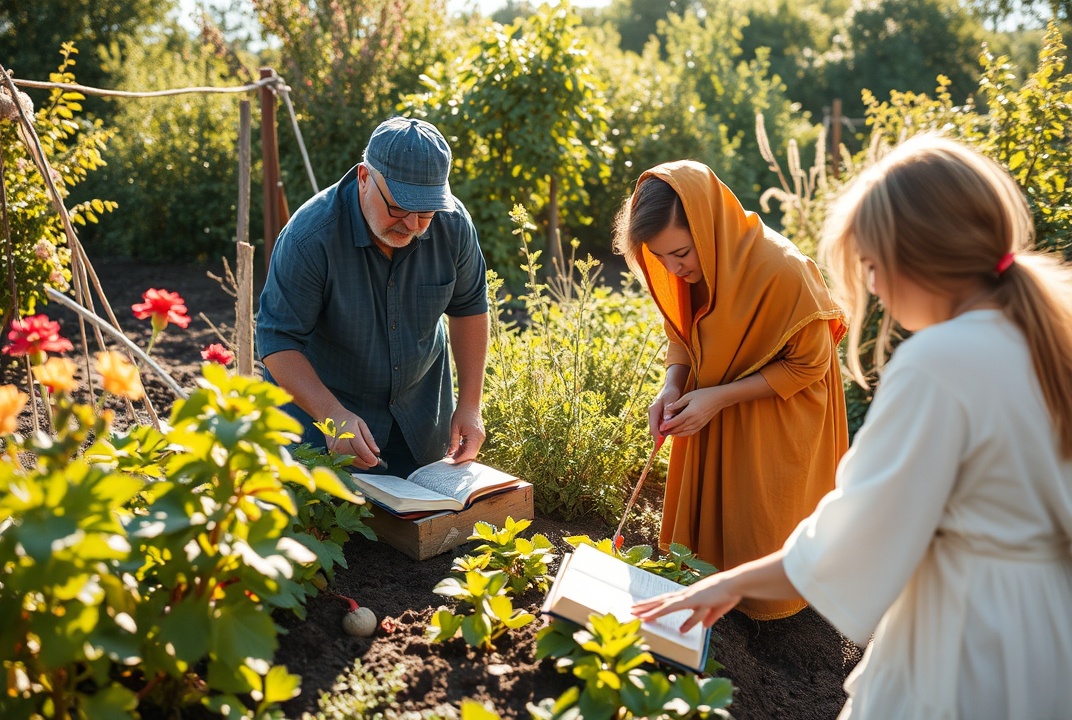
This relational approach is far more potent than any lecture or treatise. Imagine a seasoned gardener carefully tending to a young sapling. They don’t just throw seeds at the ground; they prepare the soil, provide water, and protect the fragile plant from harsh elements. Similarly, discipleship flourishes when we offer consistent presence, genuine empathy, and unwavering support. This might look like regularly scheduled coffee chats, shared meals, or simply being available for a listening ear during difficult times. It’s the quiet consistency of care that cultivates fertile ground for spiritual seeds to take root and grow. Investing in relationships is not a passive act; it requires intentionality, a willingness to be present and engaged, and a genuine desire to see others thrive.
Furthermore, this emphasis on relationship builds trust, a crucial element in any form of guidance or mentorship. When individuals feel genuinely cared for, they are more likely to open themselves up to new perspectives and be receptive to spiritual insights. Think About a time someone offered you genuine encouragement during a challenging season. That personal connection likely had a far greater impact than a generic piece of advice. This is the power of relational discipleship: fostering a bond that transcends superficial interaction and creates a foundation of mutual respect and understanding. It’s About walking alongside someone, sharing their joys and sorrows, and offering a steady hand of support as they navigate the complexities of life and faith.
Sharing Your Journey: The Power of Vulnerable Testimony and Practical Guidance
One of the most potent tools in the disciple-making arsenal is sharing your own spiritual journey. This isn’t About boasting or presenting a flawless facade of spiritual perfection; it’s About vulnerable honesty. When we are willing to share our struggles, our doubts, our moments of weakness, and how we have navigated them with the help of our faith, we become incredibly relatable and authentic. This honesty creates a powerful bridge of empathy, demonstrating that spiritual growth is a process, not a destination, and that setbacks are opportunities for learning and deeper reliance on divine principles.
Consider the impact of a friend sharing how they wrestled with a difficult ethical decision and how their faith provided them with clarity and strength. This personal narrative, filled with the raw emotions and practical application of spiritual values, resonates far more deeply than abstract theological discussions. It allows the person being discipled to see themselves in your story and to envision how they, too, can apply these principles in their own lives. This is the essence of learning by example, where your lived experience becomes a tangible roadmap for spiritual progress. It’s About being transparent About the process, including the stumbles and the triumphs.
Beyond personal testimony, practical guidance is indispensable. This involves actively teaching and demonstrating the principles of your faith in tangible ways. It could be as simple as showing someone how to engage in prayer, explaining the significance of specific religious practices, or offering advice on how to approach a challenging situation using spiritual wisdom. Think of it like learning a new skill, like cooking. Simply reading a recipe isn’t always enough; you often need someone to show you the proper technique, offer tips for success, and correct your mistakes along the way. Likewise, discipleship involves hands-on instruction and encouragement, providing concrete steps and ongoing support as individuals learn to apply their faith in their daily lives. This blend of vulnerable sharing and practical instruction creates a dynamic and effective learning environment.
Empowering Growth: Fostering Independence and Encouraging Contribution
A truly effective disciple-maker doesn’t aim to create perpetual dependents; instead, they empower individuals to grow and eventually contribute to the spiritual well-being of others. This involves a gradual but intentional shift of responsibility, encouraging those they are discipling to take ownership of their faith and to begin exploring their own spiritual gifts and callings. It’s About planting seeds of confidence and competence, allowing them to discover their own capacity for spiritual leadership and service.
This empowerment might manifest in several ways. It could involve encouraging the individual to take the lead in certain aspects of a shared spiritual activity, such as preparing a devotional or leading a small group discussion. It could also involve helping them identify their unique strengths and how those strengths can be utilized within their faith community. Imagine a mentor helping a young artist showcase their work for the first time. They offer guidance, encouragement, and ultimately step back to let the artist shine. This mirrors the process of spiritual empowerment, where the goal is to equip individuals to stand on their own two feet, spiritually speaking, and to discover their unique role in the larger spiritual ecosystem.
Ultimately, the goal of discipleship is to see individuals flourish and become spiritual contributors themselves. This means encouraging them to share their own evolving understanding of faith, to mentor others, and to actively participate in serving their community. It’s a cyclical process, a beautiful inheritance of faith passed down and amplified. When those you have discipled begin to disciple others, you witness the true fruit of your labor, a testament to the enduring power of spiritual generativity. This focus on long-term impact and sustainable growth is what truly defines the profound and rewarding work of making disciples.
Frequently Asked Questions: 3 Ways to Make Disciples
What are the three main ways to make disciples?
The three main ways to make disciples are:
Evangelism: Sharing the core message of your faith (the Gospel) with others in a way that invites them to respond and believe. This often involves explaining who Jesus is, what He did, and the call to follow Him.
Discipleship/Mentorship: Actively guiding and teaching new believers how to live out their faith. This involves ongoing instruction, encouragement, and modeling Christian living. It’s About helping them grow in their understanding and practice of religious principles.
Community/Fellowship: Living in authentic community with other believers, where mutual support, accountability, and shared life provide a fertile ground for spiritual growth and the demonstration of faith in action. This environment naturally attracts others and allows for integrated discipleship.
How does evangelism contribute to making disciples?
Evangelism is the initial step in making a disciple. It’s the proclamation of the foundational truths of the religion, presenting the call to faith and commitment. Without this initial invitation, individuals may not have the opportunity to become followers. Effective evangelism aims not just for a verbal assent but for a genuine heart transformation that leads to a desire to follow.
What is the role of discipleship/mentorship in the process?
Discipleship and mentorship are crucial for the ongoing development of a disciple. After someone professes faith, they need to be taught and guided in how to live according to the tenets of their religion. This involves understanding scripture, applying religious principles to daily life, and developing spiritual disciplines. Mentorship provides personalized support and encouragement as individuals navigate their faith journey and mature in their understanding and practice.
How does community and fellowship aid in disciple-making?
Community and fellowship provide the essential context for discipleship. Living alongside other believers allows for shared experiences, mutual encouragement, and practical application of faith. It’s within these relationships that individuals learn to love, serve, and hold each other accountable. This authentic demonstration of faith can be a powerful witness to those outside the community, attracting them to learn more, and it provides a supportive environment for new disciples to grow and thrive.