The Heartbeat of the Church: Understanding the Vital Role of the Discipleship Pastor
In the tapestry of a thriving Christian community, certain roles are foundational, acting as the very heartbeat that pumps spiritual life throughout the congregation. While many ministries contribute to the overall health of a church, the discipleship pastor occupies a position of profound importance, one that is often misunderstood or underestimated. This individual is not merely an administrator or a program manager; they are the architect of spiritual growth, the guide on the journey of faith, and the catalyst for transforming ordinary believers into committed followers of Christ.
The concept of discipleship itself is as old as Christianity. Jesus himself called twelve men to be his disciples, not just to learn from him, but to be sent out to make more disciples. This foundational mandate continues to shape the church’s mission today. Without intentional discipleship, a church can become a place of passive attendance rather than active transformation. This is where the discipleship pastor steps in, bringing a focused passion and strategic vision to this essential work, ensuring that the church is not just a gathering of people, but a dynamic community actively engaged in the great commission.
The title “discipleship pastor” might conjure images of someone sitting in a classroom, lecturing on biblical facts. While education is a component, the role is far more dynamic and deeply relational. A discipleship pastor is primarily concerned with cultivating spiritual maturity in individuals, helping them move beyond superficial faith to a deep, abiding relationship with God that impacts every aspect of their lives. This involves not just teaching, but also mentoring, coaching, and empowering others to grow in their faith and then to help others do the same.
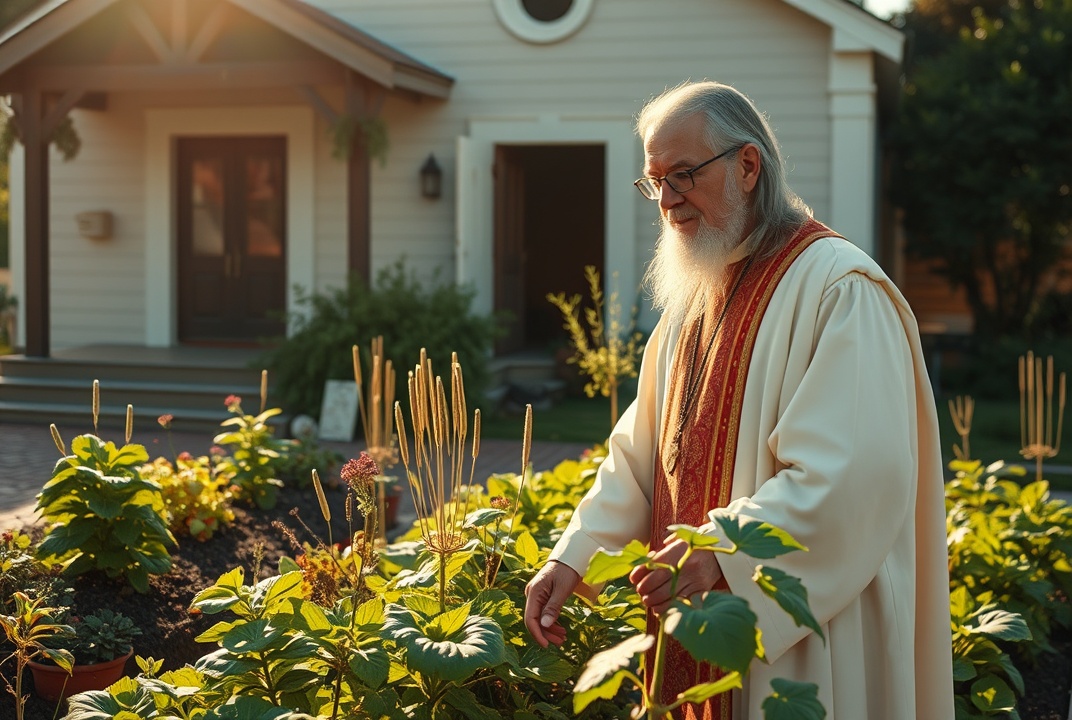
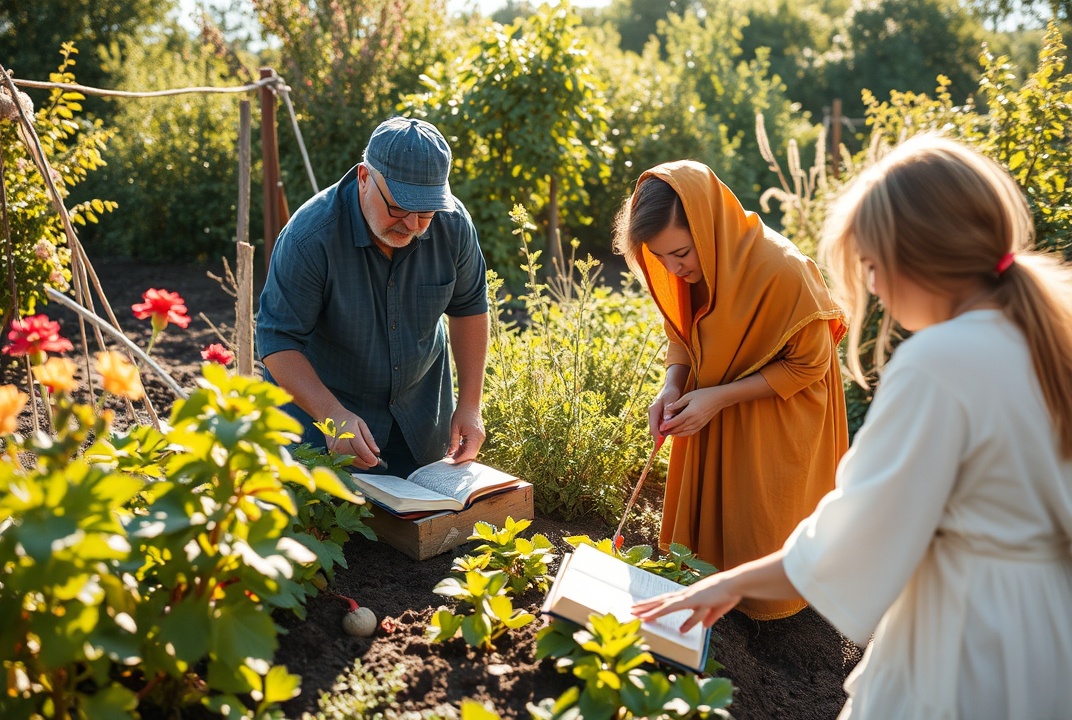
Think of it like this: a biology teacher might present the facts of plant growth. However, a master gardener, the discipleship pastor in our analogy, not only understands the science but also gets their hands dirty. They identify the right soil, provide the necessary sunlight and water, prune when needed, and offer encouragement as the plant flourishes. Similarly, the discipleship pastor doesn’t just impart biblical knowledge; they actively participate in the process of spiritual cultivation, creating an environment where faith can deeply take root and bear fruit, leading to the development of mature, reproducing disciples.
Building a Framework for Spiritual Growth
A key responsibility of the discipleship pastor is to establish and oversee programs and structures that facilitate spiritual formation. This isn’t About creating an overwhelming number of activities, but rather About designing intentional pathways for growth. These pathways might include small groups, one-on-one mentoring relationships, Bible study series with practical application, discipleship training events, and opportunities for service and mission. The goal is to create a holistic ecosystem of spiritual development.
For example, a typical discipleship pastor might look at a church and see that while many people attend services, few are actively engaged in deep biblical study or meaningful mentorship. They would then consider how to bridge that gap. This could involve launching a new series of small groups focused on specific spiritual disciplines like prayer or fasting, initiating a formal mentoring program that pairs new believers with seasoned Christians, or developing workshops that equip individuals with the skills to study the Bible effectively and apply its truths to their daily lives. The emphasis is always on practical, lived faith.
At the heart of effective discipleship is the art of mentoring and coaching. The discipleship pastor is often a skilled mentor themselves, modeling what it looks like to live a life surrendered to Christ. They also play a crucial role in equipping and training others to become mentors and coaches within the church. This multiplication effect is essential for reaching the entire congregation and ensuring that discipleship is not confined to a single individual.
Imagine a seasoned athlete who has honed their skills over years of practice. They don’t just perform well; they also have the ability to teach and inspire younger athletes. A discipleship pastor functions similarly, sharing their wisdom and experience not to create carbon copies of themselves, but to empower others to discover and develop their own unique walk with God. This involves asking insightful questions, offering biblical counsel, providing encouragement, and holding individuals accountable in a loving and supportive way, fostering authentic spiritual journeys.
The Impact of a Dedicated Discipleship Pastor
The presence of a dedicated discipleship pastor can profoundly transform the spiritual landscape of a church. When discipleship is prioritized and intentionally fostered, the entire community benefits. Believers move from being passive spectators to active participants in God’s work, equipped to share their faith, serve their neighbors, and contribute meaningfully to the life of the church. This leads to a more vibrant, engaged, and mission-oriented congregation.
Consider a church that has historically struggled with volunteer engagement or outreach. A strong discipleship pastor would likely identify this as a discipleship issue. By focusing on equipping individuals with a biblical understanding of their purpose and calling, and by providing opportunities for them to practice serving and sharing their faith, the discipleship pastor helps to unlock the potential within the congregation. This often results in a surge of enthusiastic volunteers and a renewed commitment to evangelism and social justice.
Fostering a Culture of Spiritual Maturity
A key outcome of effective discipleship is the cultivation of a church culture characterized by spiritual maturity. This means that members are not only knowledgeable About their faith but also demonstrate its fruit in their character and actions. They are people who can navigate challenges with grace, love their neighbors unconditionally, and consistently seek to honor God in all they do. The discipleship pastor is instrumental in shaping this culture through their teaching, example, and the systems they put in place.
Instead of a church where gossip or unresolved conflict is common, a church with a strong discipleship focus would see members actively working towards reconciliation, practicing forgiveness, and speaking truth in love. The discipleship pastor would likely facilitate workshops on conflict resolution, encourage the practice of spiritual disciplines that foster humility and love, and model these behaviors themselves, creating a contagious atmosphere of spiritual health and holiness.
Paul famously wrote in Ephesians 4:12 that pastors and teachers are meant to equip the saints for the work of ministry, for building up the body of Christ. This is the very essence of the discipleship pastor’s calling. They are not meant to do all the ministry themselves but to empower and train every believer to discover and use their God-given gifts to serve others and advance the Kingdom of God.
This might look like identifying individuals with a gift for teaching and providing them with training and opportunities to lead Bible studies. It could involve recognizing someone with a heart for the marginalized and helping them to start a new outreach ministry. The discipleship pastor acts as a talent scout and developer, ensuring that the entire church is a functioning, effective ministry team, each member playing their part in God’s grand design.
The Journey of Discipleship: A Lifelong Pursuit
The role of the discipleship pastor is not About reaching a destination, but About navigating a lifelong journey of growth. Discipleship is an ongoing process, a continuous unfolding of one’s relationship with God. The discipleship pastor understands that spiritual maturity is not a static achievement but a dynamic pursuit, marked by seasons of intense growth, periods of challenge, and moments of profound revelation.
It’s important to remember that the discipleship pastor is also on this journey. They are learners, continually seeking to deepen their own understanding of God and grow in their ability to guide others. This humility and commitment to personal growth make them more effective and relatable leaders. They are not figures of unattainable perfection, but rather fellow travelers, pointing the way and walking alongside those they lead.
Navigating Challenges and Doubts
The path of faith is rarely without its challenges and doubts. A skilled discipleship pastor creates a safe and supportive environment where individuals can honestly express their struggles, ask difficult questions, and wrestle with their faith without fear of condemnation. They are equipped to offer biblical perspective, compassionate understanding, and practical guidance during times of spiritual difficulty.
For instance, when a congregant experiences the loss of a loved one and questions God’s goodness, the discipleship pastor wouldn’t offer platitudes. Instead, they would likely sit with the person, listen empathetically, and gently guide them back to biblical truths About God’s sovereignty, love, and presence even in suffering. This person-centered, grace-filled approach is vital for nurturing resilient faith.
Celebrating Growth and Multiplication
A significant part of the discipleship pastor’s joy comes from witnessing the growth and multiplication of disciples. Seeing individuals move from spiritual infancy to maturity, and then watching them, in turn, become spiritual parents to others, is the ultimate reward. This multiplication is the hallmark of a healthy discipleship strategy, ensuring that the church’s influence extends far beyond its walls and across generations.
The discipleship pastor will actively celebrate these milestones, not for personal recognition, but to give glory to God and to encourage further growth. They will highlight stories of transformation, acknowledge the efforts of mentors and mentees, and continually cast vision for the ongoing work of making and multiplying disciples, understanding that every transformed life is a testament to God’s power and a victory for His Kingdom. The dedicated work of the discipleship pastor is, therefore, not just a job, but a divine calling that fuels the very essence of the Christian faith.
Frequently Asked Questions About Discipleship Pastors
What is a discipleship pastor?
A discipleship pastor is a spiritual leader within a church or religious organization who focuses on guiding and nurturing individuals in their faith journey. Their primary role is to help believers grow in their relationship with God, understand biblical principles, and live out their faith in practical ways. This often involves teaching, mentoring, counseling, and facilitating small group experiences.
What are the main responsibilities of a discipleship pastor?
The responsibilities can vary, but typically include:
Developing and implementing discipleship programs and strategies.
Teaching biblical truths and theological concepts.
Mentoring and coaching individuals one-on-one.
Facilitating small groups and Bible studies.
Providing spiritual guidance and counseling.
Equipping church members for ministry and service.
Overseeing the spiritual formation of the congregation.
What is the goal of discipleship?
The ultimate goal of discipleship is to help individuals become more like Christ. This involves a process of spiritual growth, transformation, and maturity, leading to a deeper understanding of God, a stronger faith, and a life lived in obedience to His will. It also aims to empower believers to impact their communities and the world for God.
How does a discipleship pastor contribute to a church community?
A discipleship pastor plays a vital role in fostering a healthy and growing church community by:
Strengthening the spiritual lives of individual members.
Building a culture of intentional spiritual growth.
Equipping believers to serve and share their faith effectively.
Promoting deeper relationships and fellowship among members.
Ensuring the church is effectively fulfilling its mission.
What kind of training or education is typically required for a discipleship pastor?
While specific requirements can differ between denominations and churches, common qualifications include:
A theological degree (e.g., Bachelor’s or Master’s in Theology, Divinity, or Ministry).
Experience in ministry, teaching, or leadership.
Demonstrated spiritual maturity and character.
Strong communication and interpersonal skills.
A passion for helping others grow in their faith.
Some may also pursue certifications in counseling or specific ministry areas.
Is a discipleship pastor the same as an associate pastor or youth pastor?
While there can be overlap, a discipleship pastor’s focus is specifically on the intentional process of spiritual growth for all ages within the church. An associate pastor might have broader responsibilities, and a youth pastor’s focus is primarily on the spiritual development of young people. However, a discipleship pastor might oversee or collaborate with these roles to ensure a comprehensive approach to discipleship.