Finding Solace in Faith: Prayer for Families Navigating Grief and Loss
The profound silence that descends after a loved one’s passing can be deafening. In these moments of raw grief, the human spirit often yearns for comfort, understanding, and a sense of peace that transcends earthly sorrow. For many, faith offers a guiding light, a source of strength and hope when all else seems to crumble. This article explores the power of prayer for a family that lost a loved one, delving into how religious practices can provide solace, support, and a pathway toward healing.
The journey of grief is intensely personal, a labyrinth of emotions that can feel isolating and overwhelming. Yet, within the embrace of a spiritual community and the practice of prayer, individuals and families can find a shared space for mourning, remembrance, and ultimately, renewal. It’s in these sacred moments, whispered or spoken aloud, that we can connect with something larger than ourselves, finding comfort in the belief that love, in its purest form, transcends even death.
When confronted with the stark reality of loss, the immediate instinct for many religious individuals is to turn to prayer. This act of communication with a higher power serves multiple crucial functions.
Firstly, prayer for a family that lost a loved one offers a sanctuary from the storm of emotions. It’s a dedicated time to pause, to breathe, and to articulate the pain, the confusion, and the deep sadness that can otherwise feel unmanageable. Whether it’s a quiet moment of personal reflection, a family gathering for a shared supplication, or a congregational prayer service, the act itself provides structure and purpose amidst chaos. For instance, a simple prayer like, “Dear God, please grant our family strength and peace as we mourn the loss of [loved one’s name]. Guide us through this difficult time and remind us of your unending love,” can be a powerful starting point.
Secondly, prayer fosters a sense of connection and belonging. In the face of isolation that grief can bring, prayer for a family that lost a loved one reminds us that we are not alone. We are part of a larger spiritual tapestry, supported by the prayers of our community, our faith leaders, and the divine itself. This collective spiritual effort can be incredibly fortifying, offering a tangible sense of shared burden and unwavering support. Imagine a family, gathered around a dinner table, holding hands and praying together, each voice contributing to a chorus of love and remembrance – this shared vulnerability can be profoundly healing.
Within the framework of prayer for a family that lost a loved one, personal prayers hold immense power. These are the intimate conversations with the divine, where our deepest feelings and hopes can be laid bare.
A personal prayer can be as simple as acknowledging your pain and asking for the strength to face each day. For example, you might pray, “Heavenly Father, today feels impossibly heavy. Grant me the grace to get through these hours, to find moments of peace, and to remember the love we shared. Help me to feel your presence even in my sorrow.” This kind of prayer is not About demanding answers but About seeking solace and resilience. It’s About acknowledging the void left behind while simultaneously reaching for the comfort that faith provides, trusting in a plan that may be beyond our current comprehension.
Another aspect of personal prayer is the act of remembrance and gratitude. While grief is dominant, it’s also important to acknowledge the blessings and joy that your loved one brought into your life. A prayer of gratitude could sound like: “Lord, I thank you for the gift of [loved one’s name]’s life. Thank you for the laughter, the lessons, and the unconditional love. May their memory continue to inspire us and may we carry their light forward.” This practice helps to reframe the narrative from pure loss to one of enduring love and positive impact, even in the midst of sorrow. It’s a testament to the enduring power of love and the richness of the life that was lived.
Communal Prayer and the Support of Faith Communities
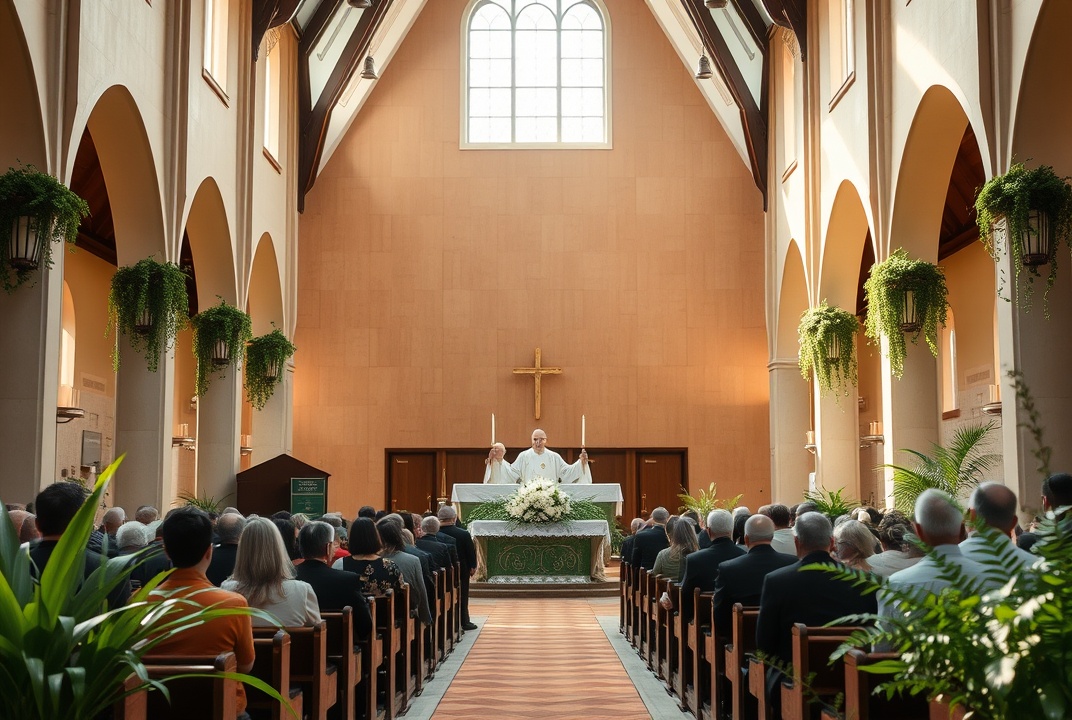
The shared experience of prayer for a family that lost a loved one within a faith community amplifies its comforting effects. Religious gatherings, memorial services, and regular congregational prayers offer a structured environment where grief can be processed collectively, fostering a sense of solidarity and shared support.
When a family is navigating loss, the knowledge that others are praying for them can be an immense source of strength. This collective spiritual effort provides a safety net of prayer, ensuring that no one feels entirely alone in their struggle. A church service might include specific prayers for the grieving family, mentioning them by name and asking for divine intervention in their healing. This public acknowledgment validates their pain and offers a tangible demonstration of communal care and spiritual solidarity. It’s like a gentle embrace from the wider community, assuring them that their sorrow is witnessed and shared.
Beyond formal services, faith communities often provide practical support fueled by prayer. This can include meals, childcare, or simply a listening ear – actions that stem from a spirit of compassion cultivated through shared faith. The understanding that these acts of kindness are often accompanied by prayers for the family’s well-being imbues them with an even deeper significance. A neighbor bringing over a casserole might say, “We’re praying for you all and keeping you in our hearts.” This simple gesture, imbued with spiritual intention, represents the tangible manifestation of prayer for a family that lost a loved one in action.
While the initial shock of loss can be all-consuming, the journey of grief eventually gives way to a desire for healing and peace. Prayer plays a vital role in this long-term process, offering a pathway towards emotional and spiritual restoration.
Prayers for healing are not About erasing the pain or forgetting the loved one, but About finding a way to live with the absence while embracing continued life. Such prayers might focus on finding acceptance, on allowing oneself to feel joy again, and on integrating the loss into one’s life story. A prayer for healing could be: “Lord, help me to heal from this wound. Grant me the courage to embrace life again, to find moments of joy without guilt, and to honor [loved one’s name]’s memory by living a full and meaningful life.” This acknowledges that healing is a process, a gradual unfolding, and that divine assistance is sought in navigating this delicate transformation.
Ultimately, prayer for a family that lost a loved one is an expression of hope. It’s a testament to the belief that even in the darkest of times, love endures, and that through faith, a measure of peace and eventual healing is attainable. The quiet whispers of prayer, the heartfelt pleas, and the communal supplications all contribute to weaving a tapestry of comfort and resilience, guiding families through their sorrow towards a horizon of renewed hope and enduring love.
Frequently Asked Questions: Prayer for a Family Who Has Lost a Loved One
What is the purpose of praying for a family who has lost a loved one?
Praying for a grieving family is an expression of love, support, and solidarity. It is an offering of comfort and strength during a time of immense sorrow, acknowledging their pain and seeking divine guidance and peace for them.
What specific religious traditions offer prayers for the deceased and their families?
Most major religions, including Christianity, Islam, Judaism, Buddhism, and Hinduism, have traditions of prayer and remembrance for those who have passed away and for the comfort of their surviving families. The specific practices and theological underpinnings vary.
In Christianity, what are common themes in prayers for the bereaved?
Christian prayers often focus on commending the soul of the departed to God’s eternal care, asking for solace and peace for the grieving family, and proclaiming hope in the resurrection and eternal life through Christ.
What is the role of prayer in Islam for a deceased person and their family?
In Islam, prayers for the deceased (Salat al-Janazah) are a communal obligation, asking for God’s mercy upon the departed. For the family, prayers (Du’a) are offered for patience, strength, and comfort, and to ease their grief.
How does Judaism approach prayer in situations of loss?
Jewish tradition emphasizes communal support and prayer for the mourners. Prayers such as the Kaddish are recited by mourners to sanctify God’s name and reflect on loss within a context of faith. Comfort is sought through communal gatherings and shared remembrance.
Are there specific prayers or rituals in Hinduism for those who have lost a loved one?
Hindu traditions involve various rituals and prayers such as Shraddha, which are performed to honor the departed soul and ensure its peaceful transition. Prayers are also offered for the strength and well-being of the surviving family members.
What is the general approach to prayer in Buddhism when someone dies?
While Buddhism focuses on the impermanence of life and the cycle of rebirth, prayers and chanting are often performed by monks and family members to offer merit to the deceased, wish them a favorable rebirth, and provide comfort and spiritual support to the grieving.
Is it appropriate to pray for the deceased themselves, or only for the grieving family?
Many religious traditions include prayers for the deceased, believing that these prayers can benefit the departed soul in their journey or state after death. Simultaneously, prayers for the comfort and strength of the grieving family are also a central aspect of offering support.
How can I best express my prayers for a family who has lost a loved one?
You can express your prayers through personal, heartfelt supplications, by joining in communal prayer services, or by offering to pray with the family if they are comfortable with it. The sincerity of your intention and your genuine desire for their well-being are paramount.