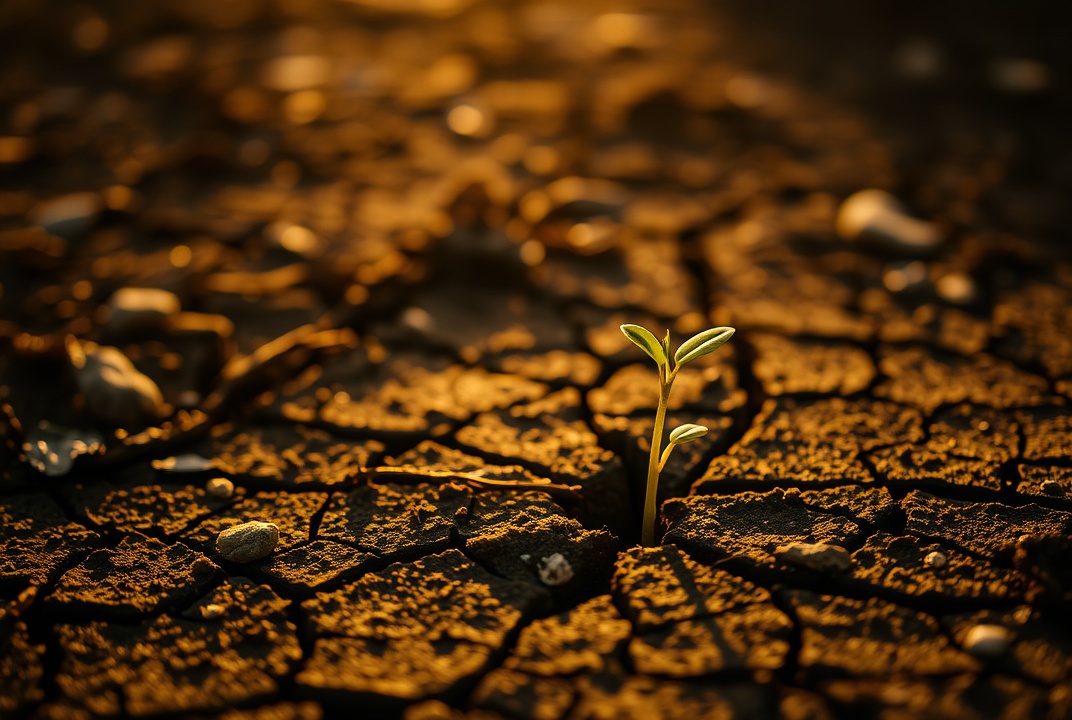
The Genesis of Understanding: What is the Seeds Bible?
The term “Seeds Bible” might conjure images of literal seeds, perhaps sown in fertile ground, waiting to sprout. In a spiritual sense, this is precisely what the Seeds Bible represents: the foundational truths of religion, the core messages of faith, planted within the human heart for growth and understanding. It’s not a single, distinct book in the traditional sense, but rather a concept that encompasses the essential, life-giving principles found across various religious texts, particularly within the Christian tradition. Think of it as the germinating essence of spiritual wisdom, the very DNA of religious belief that, when nurtured, can lead to profound personal transformation.
For many, the journey of faith begins with a desire for meaning, a quiet yearning for something more profound than the everyday. The Seeds Bible speaks directly to this innate human need, offering fundamental insights into the nature of God, humanity, and our purpose. It’s About the unshakeable bedrock of religious doctrine, the simple yet powerful pronouncements that have guided billions. Whether you are a seasoned theologian or a curious seeker, exploring the Seeds Bible can illuminate the underlying unity of spiritual teachings and offer a renewed perspective on your own faith journey.
The Sowing of Divine Truths: Core Concepts within the Seeds Bible
At its heart, the Seeds Bible encapsulates essential spiritual tenets that form the cornerstone of many religions. These are the fundamental truths that, when understood and embraced, can transform perspectives and guide actions. Consider the concept of divine love. This isn’t merely an abstract idea; it’s a powerful, active force that the Seeds Bible points towards, a profound affirmation of inherent worth and acceptance. This unconditional love acts as the fertile soil in which all other spiritual growth can occur.
Another crucial element is the understanding of humanity’s inherent potential. The Seeds Bible often speaks of our capacity for good, our divine spark, and the choice we have to align ourselves with higher principles. This is akin to understanding the intrinsic qualities of a seed: it holds within it the blueprint for a magnificent plant, needing only the right conditions to flourish. The Seeds Bible provides the guidance on creating those conditions, fostering an environment where our best selves can emerge, and our spiritual aspirations can take root.
The Germination of Faith: Practical Applications of Seeds Bible Principles
Understanding the Seeds Bible isn’t just an intellectual exercise; it’s About practical application that can profoundly impact our daily lives. Imagine the principle of forgiveness. The Seeds Bible offers profound insights into its transformative power, not just for the person being forgiven, but for the one extending it. When we choose to release grudges, we are essentially clearing the weeds from our spiritual garden, allowing peace and healing to take root and flourish. This isn’t always easy, but the Seeds Bible provides the foundational understanding that makes the effort worthwhile.
Furthermore, the Seeds Bible emphasizes the importance of compassion and service. It encourages us to look beyond ourselves and extend kindness to others, recognizing our shared humanity. This is like watering the soil of our communities, fostering an environment where empathy and mutual support can grow. When we act with kindness, we are actively participating in the divine plan that the Seeds Bible illuminates, allowing the seeds of good deeds to blossom and bring forth a harvest of positive change.
The Cultivation of a Spiritual Life: Nurturing the Seeds Bible Within
To truly benefit from the Seeds Bible, we must actively engage in its cultivation. This involves more than just passive reading; it requires intentional effort to internalize and live out its teachings. Think of a farmer carefully tending their crops. They don’t just scatter seeds and hope for the best; they prepare the soil, water regularly, and protect their plants from harm. Similarly, nurturing the Seeds Bible within us involves practices like prayer, meditation, and mindful reflection. These are the essential nutrients that help the seeds of faithgrow strong and resilient.
The journey of cultivating the Seeds Bible is a lifelong process of learning and growth. There will be times of sunshine and times of apparent drought. However, by consistently returning to the foundational truths, by seeking wisdom in the sacred texts, and by applying these principles to our challenges, we ensure that the seeds of faith remain viable. This consistent tending allows for deep roots to form, making our spiritual foundation unshakeable. Ultimately, the Seeds Bible offers not just knowledge, but a pathway to a more meaningful, purposeful, and fulfilling existence.
Frequently Asked Questions About Seeds in the Bible
What are seeds in the Bible?
In the Bible, seeds are often used as a metaphor for spiritual truths, ideas, or the Word of God. They represent something that is planted, nurtured, and has the potential to grow and produce fruit or a harvest.
What does it mean to sow seeds in the Bible?
Sowing seeds in the Bible can refer to spreading the Gospel, sharing God’s word, or performing acts of kindness and generosity. It implies an intentional act of planting something that will yield a spiritual or tangible result.
What are the different types of seeds mentioned in the Bible?
While agricultural seeds are mentioned literally, the Bible also speaks of various spiritual “seeds”: the “seed of the woman” (Genesis 3:15, referring to a descendant who would crush evil), the “seed of Abraham” (representing descendants and believers), and the “seed of the word” (Jesus’ parable of the sower).
What is the parable of the sower?
The parable of the sower, found in Matthew 13, Mark 4, and Luke 8, describes a farmer sowing seeds. The seeds represent the Word of God, and the different soils represent different ways people receive and respond to that Word. Some seeds fall on the path and are eaten by birds (unreceptive hearts), some fall on rocky ground and wither (superficial acceptance), some fall among thorns and are choked (worldly distractions), and some fall on good soil and produce a plentiful harvest (receptive hearts who bear fruit).
The spiritual harvest refers to the results of sowing godly seeds. This can include the growth of faith in individuals, the spread of the Gospel leading to conversions, and the manifestation of righteous living and good works produced by believers.
How does the concept of seeds relate to faith?
Faith can be seen as a seed planted in the heart. With nurturing (prayer, scripture, community), this seed of faith can grow and mature, leading to obedience, perseverance, and the production of spiritual fruit in a person’s life.
Can I plant “bad seeds” in a spiritual sense?
Yes, the Bible warns against sowing seeds of discord, lies, or sin. These actions, like bad seeds, will eventually lead to negative consequences and a corrupted harvest.
What does it mean to reap what you sow?
This biblical principle, found in Galatians 6:7, means that our actions and choices have consequences. If we sow good deeds and live righteously, we will reap positive spiritual and sometimes temporal rewards. Conversely, sowing to the flesh or sin will result in a harvest of corruption and destruction.