The Parable of the Sower: Cultivating Faith in a World of Diverse Soils
We live in a world teeming with messages, ideas, and beliefs. Like seeds scattered by the wind, these concepts land on the fertile or barren ground of our minds and hearts. Jesus, in his profound wisdom, offered the Parable of the Sower to illuminate how we receive and respond to divine truth. More than just an ancient story, this parable is a potent lens through which we can examine our own spiritual journey, offering profound insights for anyone seeking to deepen their faith and make it truly flourish. It’s a sermon that speaks directly to the religion we practice, the faith we hold, and the transformation we desire.
This timeless narrative, found in Matthew, Mark, and Luke, isn’t About the sower himself, but About the different types of ground – representing our hearts and minds – and how effectively the seed of God’s word takes root. Understanding these different soils can help us identify where we might be struggling and, more importantly, how we can cultivate a more receptive heart for the life-giving truths of our faith. It’s a call to introspection, a roadmap for growth, and a powerful reminder that our response matters.
Understanding the Seeds and the Soils: A Spiritual Landscape
The core of the Parable of the Sower lies in the imagery of a farmer casting seeds. These seeds, Jesus explains, represent the word of God, the divine message of love, redemption, and eternal life. It’s the truth spoken, the teachings shared, the whispers of the Spirit guiding us. This seed is inherently good, designed to grow and bear fruit. The challenge, then, isn’t with the seed itself, but with the receptivity of the soil into which it falls. The parable outlines four distinct types of soil, each illustrating a different way people interact with spiritual truths.
Each seed carries the potential for abundant life, but its destiny is determined by the ground it encounters. This is remarkably relatable to our daily lives. Think About the last time you heard a powerful sermon, read an inspiring passage, or had a profound conversation About faith. Did it resonate deeply, sparking new insights and a desire to change? Or did it seem to slip away, leaving little lasting impact? The Parable of the Sower offers a framework to understand these varying outcomes, helping us to become more intentional About tending to our spiritual gardens.
The Path: Hardened Hearts and Unreceptive Minds
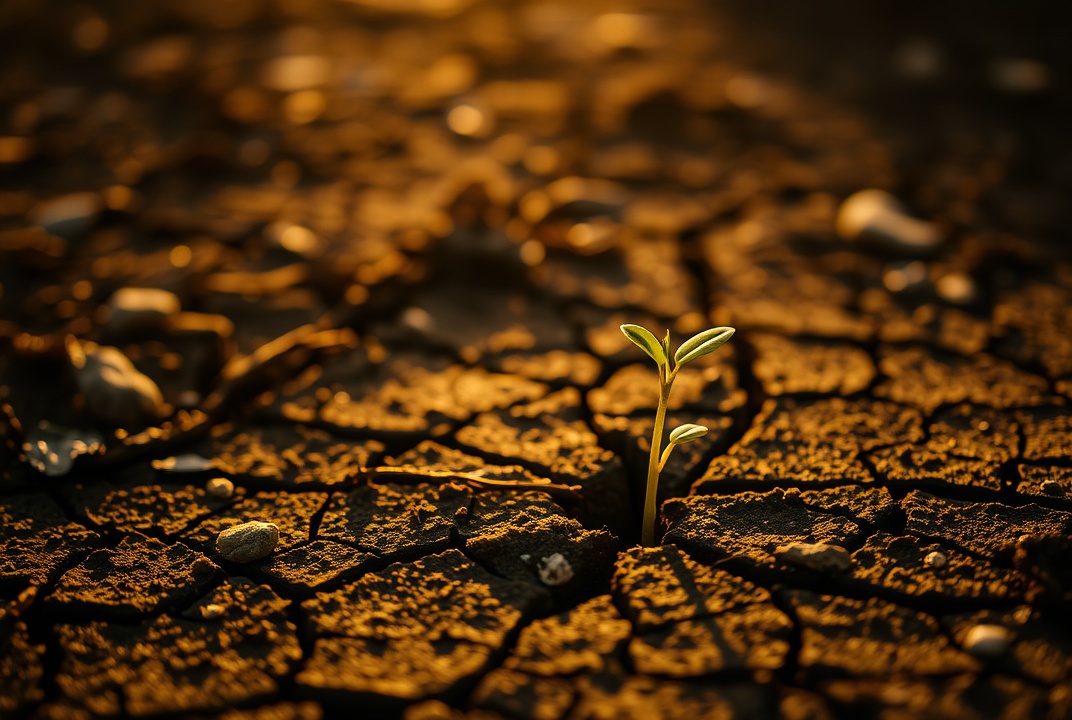
The first type of soil described is the hardened path. “When anyone hears the message of the kingdom and does not understand it,” Jesus says, “the evil one comes and snatches away what was sown in their heart.” This soil is like a well-trodden path, compacted and impenetrable. It represents individuals who hear the word but it never truly penetrates their hearts. Their minds are hardened by prior beliefs, skepticism, or a resistance to new ideas. The seed lands, but it has no place to take root, and the enemy of truth easily snatches it away.
This isn’t necessarily a malicious rejection, but often a result of unexamined assumptions or a closed-off mindset. Perhaps someone has been hurt by religious institutions, or they are deeply entrenched in a secular worldview. The message of the kingdom, when encountered, simply bounces off the surface. Practical examples include those who dismiss spiritual concepts without genuine consideration, or who are so consumed by worldly concerns that they lack the mental space for deeper reflection. The seed of truth, in this case, never gets a chance to sprout.
The Rocky Ground: Superficial Enthusiasm and Lack of Depth
Next, Jesus speaks of the rocky ground. “The seed sown on rocky places is the one who hears the word and immediately receives it with joy. But since the roots go down only so far, they flare up quickly, but when trouble or persecution comes because of the word, they fall away.” This soil represents individuals who are enthusiastic About spiritual truths initially, perhaps experiencing a burst of joy and excitement. They might be drawn to the emotional aspects of faith or the promise of a better life.
However, the lack of deep roots is the critical flaw. When challenges arise, when faith demands sacrifice, or when opposition is faced, their commitment falters. The joy was superficial, not grounded in a deep understanding or a commitment to enduring hardship for the sake of their beliefs. Think of someone who gets excited About a new diet or fitness plan, only to abandon it at the first sign of difficulty. Similarly, those on rocky ground may embrace faith when it’s easy and feels good, but wither when tested. This highlights the importance of not just initial excitement, but of endurance and perseverance in our spiritual walk.
The Thorny Ground: Distractions and the Choking Power of Worldliness
The third type of soil is the thorny ground. “The seed falling among thorns refers to someone who hears the word, but the worries of this life and the deceitfulness of wealth choke the word, making it unfruitful.” Here, the seed does indeed germinate and begin to grow, but it is eventually overwhelmed by other competing forces. The thorns represent the cares of this world, the relentless pursuit of wealth, the allure of material possessions, and the anxieties that plague our daily existence. These things, while not inherently evil, can become so consuming that they suffocate the seed of faith.
This is a deeply relevant struggle for many in our modern, fast-paced society. The constant demands of work, family, finances, and entertainment can leave little room for spiritual nourishment. The deceitfulness of wealth isn’t just About greed; it’s About the illusion that material security and pleasure are the ultimate sources of happiness, diverting our attention from eternal truths. Examples abound: spending countless hours scrolling through social media, obsessing over career advancement, or constantly chasing the next fleeting pleasure, all while the word of God lies dormant or is gradually squeezed out.
The Good Soil: Receptive Hearts and Fruitful Lives
Finally, Jesus presents the good soil. “But the seed on good ground is the one who hears the word, accepts it, and bears a crop—some thirty, some sixty, some a hundred times what was sown.” This is the ideal. The good soil is receptive, fertile, and well-tended. It represents the individual who hears the word of God, understands it, and actively chooses to embrace it and live by it. This acceptance leads to genuine growth and, ultimately, to fruitfulness.
This doesn’t mean a life free from challenges; the good soil still experiences rain and sun. However, it has the depth and nourishment to withstand hardship and continue producing. The fruitfulness is a tangible result of a life transformed by faith. It manifests in various ways: in acts of love and compassion, in steadfast integrity, in a life of service, and in the sharing of one’s faith with others. The thirty, sixty, and hundredfold increase signifies the abundant blessings and impact that a life fully surrendered to God’s word can yield. It’s About cultivating a heart that is open, responsive, and actively engaged with the divine.
Applying the Parable: Cultivating Our Own Spiritual Gardens
The Parable of the Sower is not meant to be a static diagnosis, but a dynamic invitation to self-examination and transformation. We are not fixed categories of soil; rather, our receptivity can change. Recognizing which soil we might be identifying with is the first step towards actively cultivating a more fertile heart for God’s word. This requires intentionality and consistent effort, much like tending to a physical garden.
The sermon embedded within this parable is a powerful call to action. It challenges us to ask: What kind of soil am I? Am I allowing the hard paths of my preconceived notions to block the divine message? Am I experiencing superficial joy that wilts under pressure? Am I allowing the thorns of worldly distractions to choke out the life-giving truth? Or am I actively working to become good soil, deepening my roots and bearing abundant fruit? The answer lies in our daily choices and our commitment to spiritual discipline.
Nurturing Receptivity: Strategies for Good Soil
Becoming good soil is an ongoing process, not a one-time achievement. It requires conscious effort and a commitment to spiritual practices. Prayer is essential, asking God to soften our hearts and illuminate our understanding. Bible study provides the nourishment – the water and sunlight – that the seed needs to grow. Engaging in community with other believers offers support, encouragement, and accountability, helping us to stay on the path of growth.
Furthermore, we must actively guard against the thorns. This means being mindful of our time and energy, prioritizing spiritual nourishment over endless distractions. It involves setting boundaries with worldly pursuits that threaten to choke our faith. It also means practicing gratitude for what we have, rather than constantly striving for more, which can fuel the deceitfulness of wealth. Cultivating good soil is About making intentional choices that honor God and foster spiritual growth, leading to a life that is truly fruitful and impactful.
The Enduring Message: Bearing Fruit in Our Lives
Ultimately, the Parable of the Sower is a message of hope and empowerment. While some ground may be challenging, Jesus’s teaching assures us that fruitfulness is possible. It’s About the transformation that occurs when we allow God’s word to take deep root within us. This transformation isn’t just an internal experience; it’s meant to be outward, visible in the fruit of our lives.
In the context of religion, this means living out our faith authentically. It’s About embodying the love, compassion, and justice that are central to our beliefs. It’s About being salt and light in the world, making a positive difference. The Parable of the Sower sermon reminds us that our faith is not meant to be a passive belief but an active, growing force that impacts every aspect of our lives and bears witness to the transformative power of God’s word. By tending to our spiritual soil, we can ensure that the seeds of truth we receive will indeed yield a bountiful harvest.
Frequently Asked Questions: The Parable of the Sower
What is the Parable of the Sower About ?
The Parable of the Sower, found in Matthew 13, Mark 4, and Luke 8, is a story told by Jesus About a farmer planting seeds. The seeds represent the message of the Kingdom of God, and the different types of soil represent different ways people receive that message.
What are the different types of soil and what do they represent?
There are four types of soil mentioned:
Path: Represents those who hear the word but the devil takes it away, so they don’t believe and are not saved.
Rocky ground: Represents those who hear, receive the word with joy, but have no root; they believe for a while, but in time of testing fall away.
Thorny ground: Represents those who hear the word, but the worries of life and the deceitfulness of wealth choke the word, making it unfruitful.
Good soil: Represents those who hear the word, understand it, and bear fruit, some thirty, sixty, and a hundred times what was sown.
What is the main religious message of the Parable of the Sower?
The parable emphasizes the importance of how one receives and responds to God’s word. It highlights that simply hearing the message is not enough; true discipleship requires understanding, perseverance, and allowing the word to influence one’s life to produce spiritual fruit. It also serves as a reminder that not everyone will respond positively to the message.
How does this parable relate to faith and belief?
The parable directly addresses the nature of faith and belief. It suggests that faith is not a passive acceptance but an active engagement with God’s word that leads to transformation and enduring commitment, even through challenges. The different soils illustrate the varying degrees of receptiveness and the factors that can hinder or foster genuine faith.
Can this parable be interpreted in other religious contexts?
While originating in a Christian context, the core themes of receptivity to teachings, the impact of external influences, and the importance of internal disposition for growth can resonate with principles found in other religious and philosophical traditions that emphasize the cultivation of wisdom and virtue.