Seeds of Tomorrow: Cultivating Hope Through Faith in a Tumultuous World
In the grand tapestry of human experience, hope is not merely a fleeting emotion; it is the bedrock of our resilience, the whisper that guides us through darkness, and the unseen force that propels us towards a brighter future. For people of faith, hope is intrinsically interwoven with their understanding of the divine. It’s the assurance of God’s unwavering presence, His eternal promises, and the ultimate victory over adversity. This article delves into the profound nature of hope within a religious context, exploring its transformative power through relatable narratives and practical insights, all illuminated by powerful sermon illustrations.
We all encounter seasons where the weight of the world presses down, and the light of hope seems to dim. Whether it’s personal hardship, societal turmoil, or the quiet ache of unfulfilled dreams, there are moments when faith itself is tested, and the very concept of hope feels like a distant, unattainable star. This feeling of desolation can be particularly acute when our prayers seem to echo unanswered, and the path forward is obscured by doubt and despair.
Consider the story of Job. He endured unimaginable loss – the destruction of his wealth, the death of his children, and a debilitating illness. His friends, meant to offer comfort, instead accused him of hidden sins. Yet, even in his deepest anguish, a flicker of unyielding faith remained. He famously declared, “For I know that my Redeemer liveth, and that he shall stand at the last day upon the earth” (Job 19:25). This wasn’t a hope based on immediate circumstances, but a profound trust in God’s ultimate justice and redemption, a beacon in his personal storm. This profound declaration serves as a powerful sermon illustration, reminding us that even when everything is stripped away, our divine connection offers an enduring hope.
The Divine Spark: Hope as a Gift from Above
Religious faith offers a unique perspective on hope, viewing it not as something we generate solely from within, but as a divine gift, a spark ignited by the Holy Spirit. This sacred hope transcends our temporary predicaments, anchoring us to something eternal and unshakeable. It’s the quiet confidence that even when circumstances are bleak, God is working behind the scenes, orchestrating events for our ultimate good and His glory. This supernatural hope provides a steadfast foundation in the midst of life’s inevitable storms.
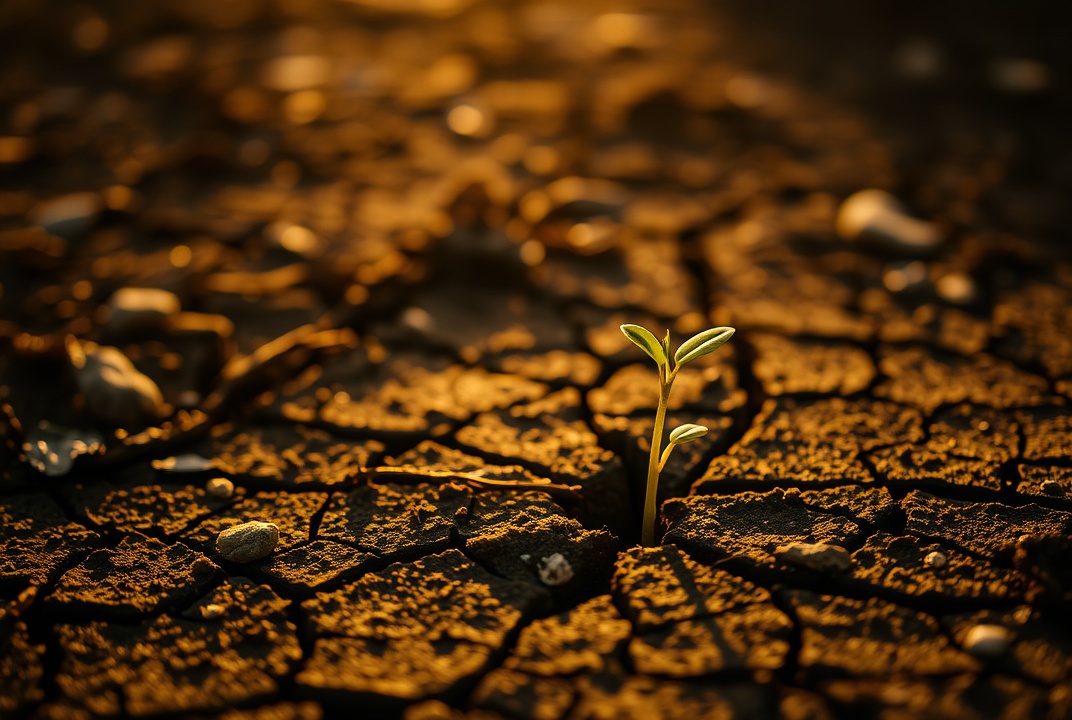
Think About the parable of the sower and the seeds (Matthew 13:1-23). Jesus describes different soils on which seeds fall. Some seeds are immediately snatched away, others wither, but a significant portion falls on good soil, yielding a bountiful harvest. This parable is a potent sermon illustration for hope. Our faith, like the seed, can fall on the hardened ground of our fears, or the rocky soil of our doubts. But when nurtured by prayer, scripture, and community, it can take root in the fertile ground of our hearts, producing a harvest of steadfast hope. This illustrates how our receptiveness to God’s word is crucial in cultivating this divine gift.
History is replete with examples of individuals and communities who, fueled by their faith, held onto hope against seemingly impossible odds. These stories are not just historical accounts; they are living testament to the power of divine hope to reshape reality. Their unwavering belief often paved the way for breakthroughs that defied human logic and expectation.
A profound sermon illustration can be found in the story of Abraham and Sarah. They were promised a child in their old age, a biological impossibility according to human standards. Yet, they believed God’s promise, even when their bodies and circumstances declared otherwise. Abraham’s faith was so strong that it was “counted to him as righteousness” (Romans 4:22). Their story teaches us that divine hope is not About wishful thinking, but About trusting in a God who can do the impossible, who can bring life where there is barrenness and fulfillment where there is emptiness. This is a powerful reminder that our circumstances do not dictate God’s power.
Hope as a Catalyst for Action
Hope, in a religious context, is rarely passive. It is an active, dynamic force that not only comforts but also compels us to act. It inspires us to persevere, to love generously, and to work for justice, knowing that our efforts, however small, are part of a larger, divine plan. This active hope transforms us from passive observers into agents of positive change.
Consider the example of Esther. When her people faced annihilation, she could have remained silent, prioritizing her own safety. Instead, driven by her faith and a deep sense of responsibility, she risked her life to approach the king and plead for her people. Her courage, fueled by hope in God’s intervention and her own agency, ultimately saved a nation. This powerful narrative is a compelling sermon illustration, demonstrating that hope empowers us to step out of fear and into courageous action, believing that even one person can make a profound difference when guided by divine purpose.
Nurturing the Seed: Cultivating Enduring Hope
Cultivating hope is not a one-time event; it is an ongoing process, a daily discipline of tending to the seeds of faith that have been planted within us. This involves actively engaging with our spiritual practices, seeking community, and consciously choosing to focus on God’s promises even when our immediate surroundings suggest otherwise. It’s About creating an environment where hope can flourish and grow.
One powerful practical application for cultivating hope is gratitude. In the midst of challenges, intentionally focusing on what we do have, on God’s past faithfulness, can shift our perspective. A sermon illustration could be the story of Paul and Silas in prison (Acts 16:25). Battered and unjustly imprisoned, they didn’t lament their fate. Instead, “About midnight Paul and Silas were praying and singing hymns to God, and the prisoners were listening to them.” Their praiseworthiness in the darkness led to an earthquake and their miraculous release. This highlights how actively expressing gratitude, even in dire circumstances, can unlock divine intervention and rekindle our own hope. It’s a reminder that our attitude can be a conduit for God’s power.
The Power of Community in Sustaining Hope
We are not meant to navigate life’s trials in isolation. Our faith communities serve as vital ecosystems for nurturing hope. Sharing our struggles, offering encouragement, and praying together creates a collective reservoir of strength that can lift individuals when they feel they can no longer stand on their own. This shared journey amplifies the individual spark of hope into a flame that can illuminate many lives.
Imagine a small group of believers facing a widespread natural disaster. While some may be overwhelmed by loss, others, drawing strength from their shared faith and mutual support, begin organizing aid, offering comfort, and praying with unwavering hope. This communal act of resilience, a beautiful sermon illustration, demonstrates how faith in action, fortified by community, can become a powerful force for good. It shows that together, we are stronger, and our collective hope can inspire profound healing and rebuilding efforts.
Looking Towards the Horizon: The Ultimate Hope
Ultimately, religious hope is anchored in the certainty of God’s ultimate triumph. This eschatological hope, focused on the coming kingdom of God, provides a transcendent perspective on our present difficulties. It assures us that suffering is not the final word, and that a future of perfect peace, justice, and joy awaits those who place their trust in Him. This eternal perspective transforms our understanding of present struggles.
A poignant sermon illustration can be found in the book of Revelation. Despite depicting intense tribulation, its overarching message is one of victory and redemption. The vision of a “new heaven and a new earth” (Revelation 21:1) where “there shall be no more death, neither sorrow, nor crying” is the ultimate promise of hope. This profound imagery assures believers that all present pain and injustice will eventually be overcome, replaced by unending glory and perfect communion with God. This is the consummate hope that sustains believers through every trial, a guarantee of a future beyond our wildest imagination.
In conclusion, hope, within the framework of religious faith, is far more than a psychological coping mechanism. It is a divine endowment, a powerful catalyst for action, and an unwavering assurance of a glorious future. By understanding and actively cultivating this sacred gift through prayer, scripture, community, and gratitude, we can ensure that the seeds of tomorrow, planted by faith, will blossom into a resplendent harvest of enduring hope, even in the most challenging of seasons.
Frequently Asked Questions: Sermon Illustrations on Hope in Religion
What is the purpose of using sermon illustrations About hope?
Sermon illustrations About hope serve to connect abstract theological concepts to real-life experiences, making the message of hope more relatable, memorable, and impactful for the congregation. They can offer encouragement, perspective, and a tangible sense of God’s presence during difficult times.
Where can I find good sermon illustrations About hope?
You can find excellent illustrations in various sources:
* Biblical narratives: Stories of individuals and communities who faced adversity with faith and found hope.
* Biographies and testimonies: Accounts of individuals who have overcome challenges through their faith.
* Nature: Metaphors from the natural world, like the sunrise after a dark night, a seed growing, or the changing seasons.
* Current events: Stories from news or history that highlight resilience, perseverance, and unexpected good outcomes.
* Personal anecdotes: Your own experiences or those of people you know (with permission) that demonstrate hope in action.
* Literature and film: Stories from books, movies, or poems that explore themes of hope and redemption.
* Historical examples: Instances where communities or nations found hope in times of crisis.
How can I ensure my sermon illustrations About hope are relevant and effective?
To ensure relevance and effectiveness:
* Know your audience: Tailor illustrations to their life experiences, cultural context, and understanding.
* Be authentic: Share stories that genuinely resonate with you.
* Keep it concise: Illustrations should support the message, not overshadow it.
* Connect it clearly: Explicitly link the illustration back to the sermon’s main point and theological truth.
* Use vivid imagery: Engage the senses to make the story come alive.
* Vary your sources: Don’t rely on the same types of illustrations repeatedly.
* Pray for guidance: Seek the Holy Spirit’s wisdom in selecting and presenting illustrations.
What are some common themes or scenarios for illustrations of hope in sermons?
Common themes include:
* Overcoming adversity: Stories of individuals or groups facing illness, loss, persecution, or natural disasters and finding strength.
* Waiting and perseverance: Illustrations of patience in the face of delay or hardship, trusting in God’s timing.
* New beginnings: Metaphors for redemption, forgiveness, and the promise of a fresh start.
* Light in darkness: Examples of hope emerging from despair, confusion, or sin.
* The power of prayer: Testimonies of how prayer brought comfort, guidance, and hope.
* God’s faithfulness: Stories demonstrating God’s consistent presence and promises, even when circumstances seem bleak.
* Unexpected provision: Instances where God provided in surprising ways during times of need.
How can I use biblical characters to illustrate hope?
Biblical characters offer a rich tapestry of hope. Consider:
* Abraham and Sarah: Their faith and hope in God’s promise of a child in old age.
* Joseph: His journey from betrayal and slavery to leadership, maintaining hope through suffering.
* Moses: Leading the Israelites out of slavery, a symbol of hope for liberation and a promised land.
* David: Facing Goliath and later enduring Saul’s persecution, his psalms often express deep hope.
* Ruth: Her unwavering loyalty and hope in God’s provision for herself and her mother-in-law.
* Job: Despite immense suffering, his story ultimately points to ultimate restoration and hope in God.
* The New Testament figures: Mary, the disciples after Jesus’ resurrection, Paul, and others who found hope in Christ’s life, death, and resurrection.
Can I use secular or non-religious illustrations to talk About hope in a sermon?
Absolutely. Secular illustrations can be very effective if they align with biblical truth and are presented with a Christian worldview. The key is to draw out the universal human experience of hope and then point to Jesus Christ as the ultimate source and fulfillment of that hope. For example, a story About a scientist persevering through years of failed experiments to achieve a breakthrough can illustrate tenacity and hope, which can then be contrasted or compared with the enduring hope found in God.