Finding Strength in the Heights: A Psalm 121 Sermon on Unwavering Hope
Life, in its beautiful and often chaotic tapestry, presents us with a myriad of challenges. We navigate through valleys of uncertainty, scale mountains of ambition, and sometimes find ourselves teetering on the precipice of despair. In these moments, when the ground beneath our feet feels shaky and the horizon shrouded in mist, where do we turn? This is precisely the question that a powerful Psalm 121 sermon aims to answer, guiding us towards a steadfast source of hope that transcends our immediate circumstances. It’s a journey from anxiety to assurance, from fear to faith, illuminated by the ancient words of this beloved psalm.
The very act of seeking solace in spiritual texts, like Psalm 121, speaks to a deep human need for something greater than ourselves. It’s a recognition that our own strength, while valuable, has its limits. This article will delve into the profound message of Psalm 121, weaving its timeless wisdom into a relatable narrative that can resonate with anyone grappling with life’s inevitable ups and downs. We’ll explore how this psalm offers not just comfort, but a powerful framework for understanding divine protection and cultivating unwavering trust.
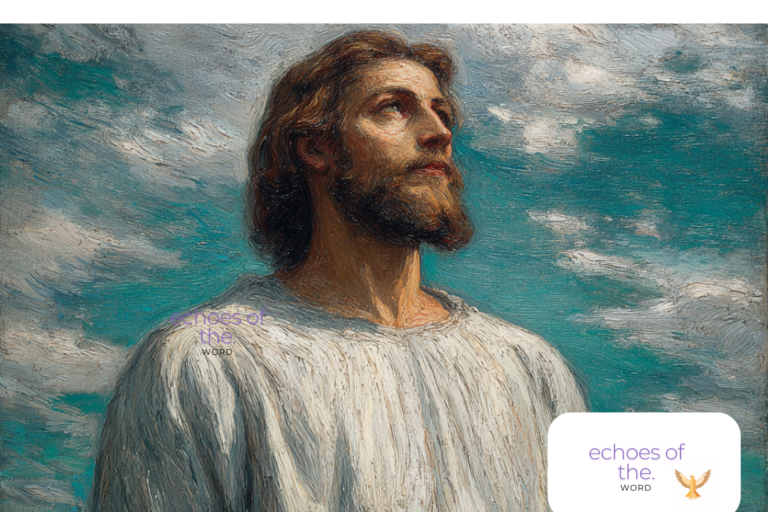
The opening verses of Psalm 121 are a powerful declaration of intent and a foundational promise: “I lift up my eyes to the mountains—where does my help come from? My help comes from the Lord, the Maker of heaven and earth.” Imagine standing at the foot of a colossal mountain range, feeling utterly insignificant. The sheer scale can be daunting, overwhelming. This is often how we feel when faced with immense problems – job loss, illness, relationship breakdowns. The psalm acknowledges this feeling but redirects our gaze. Instead of succumbing to the overwhelming nature of our challenges, it prompts us to look up, to a source that is infinitely more powerful than any earthly obstacle.
This act of “lifting up our eyes” is more than just a physical gesture; it’s a spiritual posture. It signifies a deliberate choice to shift our focus from the problem to the Provider. When we are consumed by worries, our vision narrows, fixated on the immediate threat. A Psalm 121 sermon encourages us to break free from this limited perspective. It reminds us that the same God who fashioned the vast expanse of the cosmos, the towering mountains, and the intricate details of our world, is the one from whom our help originates. This is not a passive plea; it’s an active declaration of where our ultimate trust lies, even when the path ahead seems impassable.
The psalm then elaborates on the nature of this divine help, assuring us that God’s protection is constant and unwavering: “He will not let your foot slip—he who watches over you will not slumber; indeed, he who watches over Israel will neither slumber nor sleep.” This imagery is incredibly comforting. Think About a parent watching over a sleeping child, their attention never truly wavering. God’s care is depicted as even more vigilant, a ceaseless vigilance that never falters. This is crucial for us to grasp, especially in times of prolonged struggle or when we feel particularly vulnerable.
The concept of God “not slumbering nor sleeping” is a profound metaphor for His complete and continuous engagement with our lives. It’s not a sporadic intervention, but an ever-present guardianship. This assurance is particularly potent when we feel alone or overlooked. It means that even in the quiet hours of the night, when anxieties can seem to amplify, God is actively present, safeguarding us. A Psalm 121 sermon often emphasizes this aspect to instill a deep sense of security, reminding us that we are never truly vulnerable because we are under the constant gaze of the Almighty.
Protection from All Harm: Shielded by Divine Grace
Psalm 121 continues to paint a vivid picture of God’s protective embrace, detailing the specific ways in which we are shielded: “The Lord watches over you—the Lord is your shade at your right hand; the sun will not harm you by day, nor the moon by night.” This verse speaks to a holistic protection, encompassing both the obvious dangers and the more subtle, insidious threats that can afflict us. The image of God as a “shade at your right hand” evokes a sense of immediate, personal comfort and respite, especially in harsh conditions.
Consider the scorching heat of a desert sun. Having a shade to retreat to is an immeasurable relief. Similarly, God’s presence provides solace and protection from the burning anxieties and stresses of life. This isn’t just About physical safety; it extends to our emotional and spiritual well-being. The psalm assures us that no harm, whether it be the glaring intensity of daily pressures (“the sun”) or the creeping fears that emerge in the darkness (“the moon”), can truly overcome us when we are under His watch. A Psalm 121 sermon often uses these powerful metaphors to illustrate that God’s protection is comprehensive, guarding us against both external forces and internal turmoil.
Safeguarded by the Lord: A Comprehensive Defense
The psalm further reinforces this message of comprehensive safety: “The Lord will keep you from all harm—he will watch over your life; the Lord will watch over your coming and going, both now and forevermore.” This is a sweeping statement of divine safeguarding. It’s not just About being protected from specific evils, but About being kept whole, preserved in our very being. The phrase “coming and going” encompasses every aspect of our existence, from our daily routines to our life’s journey, signifying that God’s protection extends to every step we take.
This is incredibly reassuring. We don’t have to meticulously guard ourselves against every conceivable threat. Instead, we are invited to place our trust in the One who is the ultimate guardian. This doesn’t mean we won’t face difficulties; life is inherently unpredictable. However, it does mean that we face those difficulties with the assurance of divine support and preservation. A Psalm 121 sermon often highlights this aspect to empower believers, reminding them that their lives are under eternal watch, not just for a fleeting moment, but “now and forevermore.” This is the ultimate promise of security, a shield that covers every facet of our existence, both temporal and eternal.
Cultivating Unwavering Trust: The Heart of Faith
Ultimately, Psalm 121 is not just a passive declaration of God’s power; it’s an invitation to actively cultivate a posture of unwavering trust. The repeated affirmations of God’s watchfulness and protective power are designed to build our faith, to move us from a place of doubt to a place of deep-seated confidence. This process of building trust is an ongoing journey, not a one-time event. We are encouraged to continually remind ourselves of these truths, especially when faced with new or recurring challenges.
Consider the analogy of a sailor trusting their anchor. Even in the fiercest storm, if the anchor is strong and well-placed, the ship remains secure. Similarly, our faith in God’s protective power is our anchor. A Psalm 121 sermon serves as a powerful reminder to check the strength of our anchor, to reinforce our belief in God’s unfailing care. It’s About internalizing these promises so that they become the bedrock of our response to life’s inevitable storms, transforming fear into a firm foundation of hope and resilience.
Frequently Asked Questions About Psalm 121
What is Psalm 121 About ?
Psalm 121 is a beautiful psalm of trust and assurance in God’s protection. It speaks of God as our helper and keeper, who watches over us day and night, guarding us from all harm and guiding our steps.
What is the main message of Psalm 121?
The central theme of Psalm 121 is divine protection and unwavering trust in God. It assures believers that God is actively involved in their lives, safeguarding them through every circumstance, both big and small.
You can apply Psalm 121 by consciously remembering God’s presence and promise of protection in your daily life. When facing challenges, anxieties, or uncertainties, meditate on the verses and actively choose to place your trust in God’s watchful care.
What are some key phrases or verses in Psalm 121?
Key phrases include “I lift up my eyes to the mountains,” “My help comes from the Lord,” “He will not let your foot slip,” “The Lord will watch over your coming and going both now and forevermore.”
What is the significance of “mountains” in Psalm 121?
The reference to “mountains” is often interpreted as a symbol of places where danger might lurk or where one might seek help. The psalmist declares that his help doesn’t come from these earthly sources but from God, the Creator of the heavens and the earth.
Is Psalm 121 a prayer of petition or praise?
Psalm 121 is primarily a declaration of trust and confidence in God’s promises, which can be seen as an expression of praise. While it doesn’t explicitly ask for specific help, the underlying trust implies a reliance on God’s active intervention.
How does Psalm 121 relate to the concept of providence?
Psalm 121 strongly emphasizes God’s providence – His continuous care and guidance over His creation. It assures believers that God is not distant but intimately involved in protecting and guiding their lives.
Can Psalm 121 be used in times of fear or distress?
Absolutely. Psalm 121 is an excellent source of comfort and reassurance during times of fear, anxiety, or distress. Its message of God’s constant watchfulness can bring peace and strengthen faith.
What does it mean that God “will not let your foot slip”?
This phrase signifies God’s steadfast protection against stumbling, falling, or making grave errors. It implies spiritual and physical security, ensuring that we are kept safe on our journey of faith.
How does Psalm 121 offer hope for the future?
The psalm concludes with the assurance that “The Lord will watch over your coming and going both now and forevermore.” This offers profound hope, indicating that God’s protection is not limited to the present but extends into eternity.