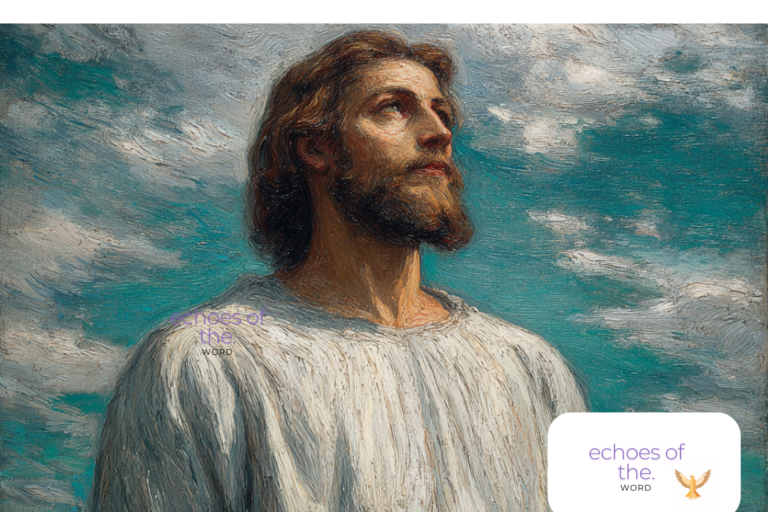
The Sermon on the Mount Series: A Compass for a Meaningful Life
The Sermon on the Mount series isn’t just a collection of ancient teachings; it’s a profound and surprisingly practical blueprint for living a life of purpose and integrity. Often presented in theological circles, these words, delivered by Jesus on a mountainside, resonate deeply with anyone seeking a more authentic, compassionate, and fulfilling existence, regardless of their specific religious background. This series offers a transformative perspective on everything from our inner motivations to our outward actions, challenging conventional wisdom and inviting us to reimagine what it truly means to be good.
Many people associate religious texts with abstract doctrines and distant ideals. However, the Sermon on the Mount series stands apart for its groundbreaking focus on everyday ethics and the internal landscape of the human heart. It’s less About following a rigid set of rules and more About cultivating a transformative inner disposition that naturally leads to righteous behavior. Think of it as a spiritual GPS, providing clear directions for navigating the complexities of life and arriving at a destination of peace and genuine connection.
Unpacking the Beatitudes: The Foundation of a Blessed Life
The Sermon on the Mount series begins with the Beatitudes, a series of pronouncements that redefine what it means to be truly “blessed” or fortunate. Jesus doesn’t praise the wealthy, the powerful, or the outwardly successful. Instead, he flips our societal understanding on its head, declaring blessedness for the poor in spirit, those who mourn, the meek, and those who hunger and thirst for righteousness. This initial declaration is a radical call to re-evaluate our priorities and our definitions of success.
Consider the “poor in spirit.” This isn’t About lacking material possessions, but About a humble awareness of our spiritual need, a recognition that we cannot achieve true fulfillment on our own. It’s an acknowledgment of our dependence on something greater than ourselves. Similarly, “those who mourn” are not simply sad individuals; they are those who grieve over injustice, suffering, and their own failings, demonstrating a deep empathy and a desire for healing. This foundational part of the Sermon on the Mount series sets the stage for a life lived not in pursuit of worldly accolades, but in alignment with a higher moral and spiritual truth.
Beyond the Law: The Heart of Jesus’ Teachings
A significant portion of the Sermon on the Mount series delves into Jesus’ interpretation of existing laws, demonstrating that his teachings go far beyond mere outward compliance. He moves from “You shall not murder” to understanding that anger and resentment are the seeds of violence. He shifts from “You shall not commit adultery” to addressing lustful thoughts as a form of internal betrayal. This emphasis on the internal disposition is a cornerstone of the Sermon on the Mount series, urging us to examine our motivations and the root causes of our actions, not just the actions themselves.
This profound shift challenges us to live with a higher standard of integrity. For instance, if we are quick to anger at a colleague, Jesus’ teaching within the Sermon on the Mount series suggests that the harm is already being done internally, even if no outward action occurs. This calls for a proactive approach to our inner lives, cultivating forgiveness, compassion, and self-control. It’s About transforming our hearts so that our actions naturally flow from a place of goodness, rather than trying to force good behavior through sheer willpower or fear of consequence.
Living Authentically: Salt, Light, and the True Meaning of Righteousness
Jesus uses powerful metaphors in the Sermon on the Mount series to illustrate how his followers should impact the world. He calls them the “salt of the earth”, implying they should preserve goodness and add flavor to life, preventing decay and corruption. They are also referred to as the “light of the world”, meant to illuminate truth and guide others towards a better path. This isn’t a call to be ostentatious or self-righteous, but a call to live lives so demonstrably good and truthful that they naturally draw attention and inspire others.
The Sermon on the Mount series then elaborates on the nature of this “righteousness” that distinguishes his followers. It’s not About performing religious rituals for show, but About private acts of kindness, prayer, and generosity. Jesus famously states, “When you give to the needy, do not announce it with trumpets, as the hypocrites do.” This highlights a core principle of the Sermon on the Mount series: true spirituality is lived out in humility and authenticity, not for public acclaim. Imagine helping a neighbor without seeking praise; that quiet act of service embodies the spirit Jesus describes.
Prayer, Generosity, and the Kingdom Within
The practice of prayer is central to the Sermon on the Mount series. Jesus offers a model prayer, the Lord’s Prayer, which emphasizes dependence on God, forgiveness, and the coming of God’s will on earth. This isn’t a rote recitation but a template for meaningful communion with the divine, focusing on both our relationship with God and our relationships with others. It’s a powerful reminder that our spiritual lives are deeply intertwined with our ethical responsibilities.
Furthermore, the Sermon on the Mount series strongly advocates for generosity and compassion. Jesus challenges his followers to “give to everyone who asks” and to “love your enemies.” While this might seem counterintuitive and even impractical, the underlying principle of the Sermon on the Mount series is About breaking down barriers of division and extending radical grace. It’s About cultivating a heart so full of love and understanding that it mirrors the compassionate nature of the divine, transforming not only our own lives but also the world around us.
Navigating Life’s Challenges: Wisdom and Discernment
The latter part of the Sermon on the Mount series provides practical guidance for navigating the challenges and decisions of life. Jesus distinguishes between wisdom and foolishness through the analogy of building a house. Those who hear his words and put them into practice are like builders who construct their homes on a solid rock foundation, able to withstand life’s storms. Conversely, those who hear but do not act are like builders who construct on sand, vulnerable to collapse. This emphasizes the critical importance of application in the Sermon on the Mount series.
The Sermon on the Mount series also teaches the importance of discernment and avoiding judgment. Jesus warns against judging others, stating, “Do not judge, or you too will be judged.” This doesn’t mean we should be passive bystanders to wrongdoing, but rather that we should examine our own hearts and motivations before criticizing others. It’s About approaching disagreements and failings with humility and a desire for reconciliation, rather than condemnation. This principle of “log in your own eye” before addressing the “speck in your brother’s eye” is a profound lesson in self-awareness and empathy.
The Enduring Relevance of the Sermon on the Mount Series
In conclusion, the Sermon on the Mount series remains incredibly relevant for anyone seeking a deeper, more meaningful existence, regardless of their religious affiliation. Its teachings offer timeless wisdom on compassion, integrity, and purposeful living. The Sermon on the Mount series challenges us to move beyond superficial piety and cultivate a transformed inner life that naturally leads to positive outward actions.
By embracing the principles found within the Sermon on the Mount series, we are invited to become agents of positive change in our own lives and in the world. It offers a compelling vision of a life lived with courage, kindness, and unwavering commitment to what is true and good. The Sermon on the Mount series is not just a historical document; it is a living, breathing guide for anyone who desires to walk a path of genuine spiritual fulfillment and profound human connection.
Frequently Asked Questions: Sermon on the Mount Series
What is the Sermon on the Mount?
The Sermon on the Mount is a collection of sayings and teachings of Jesus, found in the Gospel of Matthew chapters 5-7. It is renowned for its ethical teachings and is considered by many to be a foundational text for Christian morality.
What are the main themes of the Sermon on the Mount?
Key themes include: the Beatitudes (blessings on the poor in spirit, the meek, those who mourn, etc.), teachings on anger and lust, the Lord’s Prayer, forgiveness, giving to the needy, prayer, fasting, warnings against judging others, and the importance of living out Jesus’ teachings.
What is the significance of the Sermon on the Mount in Christianity?
It is seen as a radical call to a higher righteousness, emphasizing inner disposition and love as the core of faith, rather than just outward observance of the law. It provides a blueprint for how followers should live in the Kingdom of God.
How does the Sermon on the Mount relate to the Old Testament Law?
Jesus clarifies that he did not come to abolish the Law and the Prophets but to fulfill them. He reinterprets and deepens the understanding of the law, moving from outward actions to the heart’s intentions.
What does the term “Kingdom of God” or “Kingdom of Heaven” mean in the context of the Sermon on the Mount?
It refers to God’s reign and rule, both in the present and in the future. The teachings of the Sermon on the Mount describe the characteristics and ethical standards of those who live under God’s rule.
What are the Beatitudes?
The Beatitudes are a series of pronouncements, typically beginning with “Blessed are the…” found at the beginning of the Sermon on the Mount (Matthew 5:3-12). They describe the character of those who are truly blessed in the eyes of God.
What does Jesus mean by “love your enemies”?
This teaching (Matthew 5:43-48) calls for a radical love that extends beyond friends and family to those who oppose or persecute us. It is seen as a distinctive mark of God’s character, which his followers are called to emulate.
How does the Sermon on the Mount address hypocrisy?
Jesus frequently warns against hypocrisy, particularly in the areas of prayer, fasting, and giving to the needy. He emphasizes sincerity and internal motivation over outward displays for the approval of others (Matthew 6).
What is the takeaway message of the Sermon on the Mount for modern believers?
The Sermon on the Mount continues to challenge believers to live lives of integrity, compassion, humility, and a deep commitment to God’s will. It calls for a transformative inner life that manifests in outward actions of love and righteousness.
Is the Sermon on the Mount a set of rules or ideals?
It is often viewed as both. While it sets forth clear ethical standards and principles, it is also understood as aspirational, calling believers to strive for a deeper spiritual life guided by the Holy Spirit.