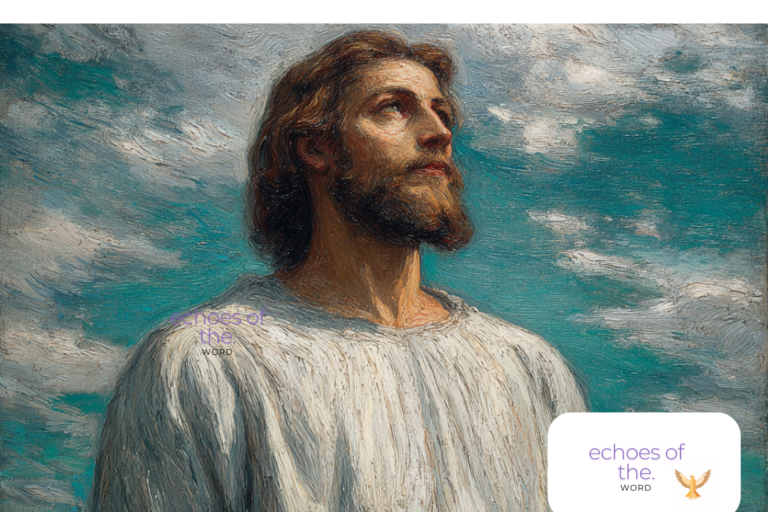
When the World Trembles: Finding Unwavering Hope in Psalm 46
Life, in its unpredictable rhythm, often throws us into situations that feel like the ground is shifting beneath our feet. We face personal crises, global anxieties, or the quiet erosion of our peace by everyday stresses. In these moments, when the foundations of our security seem to crumble, where do we turn? For centuries, believers have found solace and strength in the powerful words of Psalm 46. This ancient text isn’t just a collection of verses; it’s a divine anchor in the storm, a declaration of unwavering hope that resonates deeply with the human experience. A Psalm 46 sermon isn’t just About reciting poetry; it’s About excavating profound truths that can transform our perspective and fortify our spirits.
Think About the feeling of being overwhelmed. Perhaps it’s a sudden job loss, a health scare that shakes you to your core, or witnessing a world teetering on the brink of chaos. These are the moments when the imagery in Psalm 46 – mountains being hurled into the sea, waters roaring and churning – feels strikingly familiar. The psalm acknowledges the reality of turmoil, but it doesn’t leave us stranded in despair. Instead, it points us towards an infallible refuge, a steadfast presence that transcends all earthly instability. This is the essence of a Psalm 46 sermon: to guide us from the precipice of fear to the solid rock of God’s sovereignty and presence.
The opening verses of Psalm 46 paint a vivid picture of cataclysm and upheaval: “God is our refuge and strength, a very present help in trouble. Therefore will not we fear, though the earth be removed, and though the mountains be carried into the midst of the sea.” Imagine the sheer terror of witnessing such natural disasters. The psalm doesn’t shy away from acknowledging that the world as we know it can be profoundly shaken. It speaks to the very real human experience of instability and vulnerability. When our carefully constructed lives are threatened, when the familiar landscape of our existence is suddenly altered, fear is a natural response.
Yet, amidst this depiction of chaos, a powerful counterpoint emerges. The psalm doesn’t deny the reality of the “trembling earth,” but it firmly establishes that our ultimate security lies not in the stability of the physical world, but in the unchanging character of God. This is the core message that a Psalm 46 sermon seeks to impart. It’s the assurance that even when everything around us seems to be collapsing, there is a divine constant, a rock of ages that remains unmoved. This principle is incredibly relatable; think of a child who, despite a raging storm outside, feels safe and secure in the arms of their parent. That sense of unshakable protection is what Psalm 46 offers us in God.
The psalm continues, describing the “nations rage,” the “kingdoms totter,” and God’s voice causing the earth to melt. This imagery speaks to the turbulent political and social landscapes that have plagued humanity throughout history and continue to do so today. We see nations in conflict, ideologies clashing, and the constant hum of unrest that can leave us feeling anxious and powerless. It’s easy to feel overwhelmed by the sheer scale of global problems, to wonder if there’s any hope for peace or order.
However, the psalm doesn’t present a God who is merely a passive observer of this chaos. Instead, it declares that God’s voice is supreme, that His power is absolute. He is the one who stills the storm, who brings order out of disarray. A Psalm 46 sermon emphasizes this divine sovereignty. It reminds us that while human systems may totter and nations may rage, God remains in control. This isn’t to dismiss the suffering caused by conflict, but rather to offer a perspective of ultimate hope. Consider a skilled conductor leading a symphony; even with the multitude of instruments and complex harmonies, the conductor’s guiding hand ensures a coherent and beautiful outcome. God, in His infinite wisdom, is the ultimate conductor of history.
God’s Presence in the Midst of the City
The psalm then shifts its focus to God’s intimate presence: “The Lord of hosts is with us; the God of Jacob is our refuge.” This verse is a profound declaration of immanence, the idea that God is not distant and detached but actively present in our lives and in the world. It’s a powerful antidote to the feeling of being alone and abandoned when facing difficulties. The “God of Jacob” is a reminder of a God who has a personal relationship with His people, who has guided and protected them through generations.
This aspect of Psalm 46, often highlighted in a Psalm 46 sermon, is incredibly informative and reassuring. It means that even when the “city” – representing our communities, our lives, our personal spaces – experiences turmoil, God is there. He is not just a distant deity but a loving Father who walks with us. Think of a parent comforting a child who is scared of the dark; their presence dispels the fear. Similarly, the knowledge of God’s presence dispels the dread of our circumstances. This assurance of His companionship is a bedrock upon which we can build our lives, regardless of external pressures.
The River of Joy and the Stillness of God
The psalm culminates with a beautiful and iconic image: “There is a river, the streams whereof shall make glad the city of God, the holy place of the Most High. God is in the midst of her; she shall not be moved: God shall help her, and that right early.” This “river” is often interpreted as the life-giving presence of God, a source of unending joy and refreshment. In contrast to the roaring waters of chaos, this is a gentle, constant flow that sustains and revitalizes. Even when the surrounding world is tumultuous, the “city of God” remains secure because of His dwelling within it.
A Psalm 46 sermon often unpacks this powerful metaphor of the divine river. It highlights that true and lasting joy doesn’t come from external circumstances but from an inner wellspring connected to God. This is the transformative power of faith: to find serenity and gladness even amidst hardship. Consider a plant that, even in a dry season, draws sustenance from deep underground springs; its vitality remains. So too, believers can draw from God’s presence to experience a steadfast joy that the world cannot extinguish. The psalm’s final affirmation, “God shall help her, and that right early,” is a promise of timely and reliable assistance, reinforcing the message of unwavering hope.
Practical Application: Living with Unwavering Hope
Understanding the theology and imagery of Psalm 46 is one thing; living it out is another. How can we, in our daily lives, embody the confidence and peace described in this psalm? A Psalm 46 sermon doesn’t just aim to inspire; it aims to equip. The first step is to consciously cultivate a mindset of refuge in God. This means actively choosing to turn our thoughts and anxieties towards Him, rather than allowing them to consume us. This might involve regular prayer, meditation on scripture, or simply stopping to acknowledge His presence throughout the day.
Secondly, we must internalize the truth of God’s sovereignty. When faced with situations beyond our control, remembering that God is ultimately in charge can be incredibly liberating. This doesn’t mean passively accepting injustice, but rather finding peace in knowing that His purposes will prevail. It’s About trusting His plan even when we don’t understand it. Finally, we can learn to recognize and nurture the “river of joy” within us by actively engaging with God’s presence. This could involve participating in a worship community, serving others, or simply taking time for quiet reflection and gratitude. By consistently practicing these principles, we can move from a place of fear and instability to one of unwavering hope and steadfast peace, just as Psalm 46 promises.
Frequently Asked Questions About Psalm 46 Sermons
What is Psalm 46 About ?
Psalm 46 is a powerful psalm of trust and confidence in God. It declares God as our refuge and strength, an ever-present help in times of trouble. The psalm speaks of God’s power over nature and nations, assuring believers that they need not fear even when the earth shakes or mountains fall into the sea. It concludes with a call to be still and know that God is God, sovereign over all.
Common themes explored in sermons on Psalm 46 include:
* God as Refuge and Strength: The unwavering security found in God during life’s storms.
* Divine Sovereignty: God’s ultimate control over all creation, natural disasters, and human conflicts.
* Trust and Faith in Adversity: The importance of relying on God’s power and presence when facing fear and uncertainty.
* Peace amidst Chaos: The ability to find inner peace and stillness through faith, regardless of external circumstances.
* God’s Presence: The assurance that God is with us, actively working and intervening.
* The Stillness of Knowing God: The call to rest in God’s presence and acknowledge His divine authority.
How can I apply Psalm 46 to my life today?
Sermons on Psalm 46 often encourage listeners to:
* Cultivate a deeper trust in God: Actively choose to rely on God’s strength rather than our own when facing challenges.
* Practice spiritual stillness: Make time for prayer and meditation to connect with God and find peace.
* Remember God’s past faithfulness: Reflect on how God has sustained you through difficulties in the past as an anchor for present and future trials.
* Be a source of peace: Extend God’s peace and assurance to others who are struggling.
* Live with courage: Recognize that fear does not have to dictate our actions when we know God is on our side.
What does it mean to “Be still, and know that I am God”?
This famous verse from Psalm 46:10 is a profound invitation to quiet our internal anxieties and external distractions. It means:
* Ceasing self-reliance: Letting go of the need to control every situation and trusting in God’s perfect plan.
* Acknowledging God’s supreme authority: Recognizing that God is the ultimate power and has everything under control.
* Experiencing God’s presence: Finding deep peace and understanding by being in communion with Him.
* Gaining perspective: Realizing that our troubles are temporary in the light of God’s eternal nature.
How does Psalm 46 relate to the concept of “religion”?
Psalm 46, as a part of the biblical canon, is foundational to the Christian religion. It speaks to core tenets of faith, such as:
* The nature of God: Revealing God as powerful, protective, and ever-present.
* The human condition: Acknowledging our vulnerability and need for a savior and refuge.
* The practice of faith: Emphasizing trust, prayer, and reliance on divine intervention.
* Hope and reassurance: Offering solace and confidence in the face of life’s uncertainties, which is a key aspect of religious belief.
* The relationship between humanity and the divine: Illustrating a dynamic of dependence and acknowledgment of supreme power.