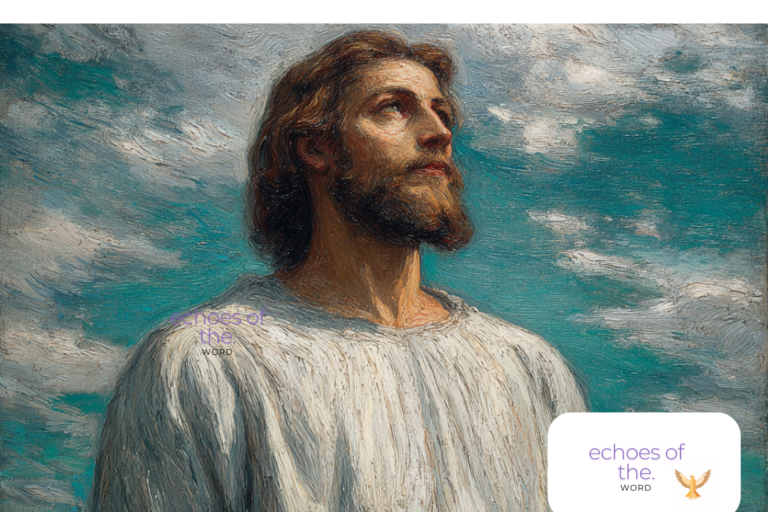
The Shepherd’s Promise: Unpacking the Profound Meaning of Psalm 23
In the tapestry of faith, few threads are as comforting, as universally recognized, and as deeply resonant as Psalm 23. This ancient Hebrew poem, attributed to King David, isn’t just a collection of beautiful words; it’s a profound declaration of trust, a testament to divine provision, and a comforting assurance of unwavering presence. Whether you’re a seasoned believer or someone simply seeking solace in life’s uncertainties, the lines of Psalm 23 offer a rich wellspring of meaning that can transform your perspective. Let’s embark on a journey, line by line, to unfurl the enduring power of this beloved psalm.
For generations, this psalm has been a source of strength during trials, a song of celebration in times of joy, and a whispered prayer in moments of quiet reflection. Its imagery is simple yet powerful, drawing from the everyday life of a shepherd in ancient Israel. This relatable context is key to understanding its profound theological implications. By delving into each phrase, we can unlock a deeper appreciation for the relationship between God and His people, recognizing a divine shepherd who guides, protects, and sustains us through every season of life.
“The Lord is my shepherd; I shall not want.” – The Foundation of Trust
The opening declaration, “The Lord is my shepherd; I shall not want,” sets the entire tone for the psalm. This isn’t a passive observation; it’s an active declaration of absolute trust. David, a former shepherd himself, understood the immense responsibility and intimate knowledge required of a good shepherd. He knew a shepherd provided for every need: food, water, shelter, and protection for his flock. When David proclaims “The Lord is my shepherd,” he is essentially saying, “I have everything I could possibly need because the ultimate caregiver is in charge of my life.”
This line speaks volumes About our spiritual well-being. It implies a fundamental understanding that our deepest needs – beyond the physical – are met by God. Spiritual peace, inner strength, guidance, and even a sense of purpose are all encompassed in this divine shepherding. The phrase “I shall not want” doesn’t mean we will never experience hardship or lack material possessions. Instead, it signifies a profound contentment and assurance that, with God as our shepherd, we are fundamentally complete and lack nothing essential for our eternal well-being. Consider a child who trusts their parent implicitly; they don’t worry About where their next meal will come from or how they’ll be kept safe, because they know their parent will provide. This is the essence of the trust David is expressing.
“He makes me lie down in green pastures; He leads me beside quiet waters.” – Rest and Restoration
Following the declaration of trust, David illustrates the tangible benefits of having God as his shepherd. “He makes me lie down in green pastures” speaks of rest and refreshment. In a world that often demands constant activity and vigilance, this imagery offers a powerful contrast. Green pastures symbolize abundance, fertility, and a place of peaceful repose. It’s a place where the sheep can relax, graze, and recharge without fear. This suggests that God doesn’t just keep us alive; He provides opportunities for genuine rest and rejuvenation for our souls.
Similarly, “He leads me beside quiet waters” emphasizes peace and restoration. Rushing, turbulent waters can be dangerous and frightening. Quiet waters, on the other hand, are calm, still, and life-giving. This imagery points to the serenity and tranquility that God offers. It’s About finding peace amidst life’s storms, a deep sense of inner calm that transcends external circumstances. This could manifest as moments of quiet reflection, a sense of profound peace during prayer, or the ability to navigate stressful situations with a grounded spirit. Think of a stressful day at work; finding a quiet moment to breathe and recenter yourself is like being led to those quiet waters.
“He restores my soul; He leads me in paths of righteousness for His name’s sake.” – Renewal and Purpose
The words “He restores my soul” are a profound statement of spiritual renewal. Life’s journey can leave us weary, discouraged, and spiritually depleted. We experience setbacks, disappointments, and moments of doubt that can deeply affect our inner selves. This line assures us that God is actively involved in healing and revitalizing our spirits. He doesn’t just guide us; He actively works to bring us back to a place of wholeness and strength when we feel our souls are faltering.
The subsequent phrase, “He leads me in paths of righteousness for His name’s sake,” speaks to purpose and ethical living. God’s guidance isn’t random; it’s directed towards a life that is honorable, just, and pleasing to Him. The “paths of righteousness” are not always the easiest or most popular routes, but they are the ones that align with God’s character and will. The motivation, “for His name’s sake,” highlights that our righteous living brings glory and honor to God’s reputation. It’s About living a life that reflects His goodness to the world. Imagine choosing to be honest in a situation where dishonesty would benefit you; that’s walking a path of righteousness for a higher purpose.
“Even though I walk through the valley of the shadow of death, I will fear no evil, for you are with me; your rod and your staff, they comfort me.” – Courage in the Face of Adversity
This is arguably the most powerful and comforting section of the psalm. “Even though I walk through the valley of the shadow of death” conjures images of the darkest, most perilous times. This can represent literal near-death experiences, but more broadly, it signifies periods of extreme suffering, loss, grief, or intense fear. It’s the moments when we feel utterly vulnerable and overwhelmed by the darkness surrounding us.
However, the assurance immediately follows: “I will fear no evil, for you are with me.” This is the ultimate declaration of courage. It’s not that the danger disappears, but our fear is vanquished because of God’s unwavering presence. The shepherd’s rod was used to protect the sheep from predators and to guide them away from danger. The staff, with its curved end, was used to draw stray sheep back to the flock and to support them. These instruments, though seemingly simple, become symbols of divine protection, guidance, and comfort. Knowing God is actively present, guiding and protecting us, transforms fear into a profound sense of security. Think of a child holding their parent’s hand tightly in a crowded, unfamiliar place; that hand provides a tangible sense of safety and reassurance.
“You prepare a table before me in the presence of my enemies; You anoint my head with oil; my cup overflows.” – Abundant Provision and Blessing
The psalm shifts to a scene of overwhelming provision and blessing. “You prepare a table before me in the presence of my enemies” is a remarkable image of divine favor and protection even in hostile environments. It suggests that even when surrounded by opposition, danger, or those who wish us harm, God doesn’t just keep us alive; He provides for us abundantly. This isn’t About flaunting victory over enemies, but About experiencing God’s grace and sustenance regardless of our circumstances. It speaks to a peaceful certainty that God’s provision transcends any external threat.
The anointing with oil was a gesture of honor, healing, and consecration in ancient times. It was often done for guests of honor, signifying welcome and blessing. Likewise, “my cup overflows” depicts superabundance. It’s not just enough; it’s more than enough, a constant outpouring of God’s goodness and favor. This imagery assures us that God’s blessings are not meager; they are lavish and complete, enriching our lives in every way. Consider a host who not only provides a meal but also ensures you feel deeply welcomed and cared for, filling your plate and your cup to overflowing; that’s the depth of God’s provision.
“Surely goodness and mercy shall follow me all the days of my life, and I will dwell in the house of the Lord forever.” – Eternal Hope and Security
The psalm concludes with a powerful affirmation of eternal hope and security. “Surely goodness and mercy shall follow me all the days of my life” is a promise that God’s unfailing kindness and steadfast love are not temporary provisions; they are constants that will accompany us throughout our entire earthly journey. This means that even on our worst days, even when we stumble, God’s fundamental nature of goodness and mercy remains, pursuing us, guiding us, and offering us forgiveness and renewed hope.
The final phrase, “and I will dwell in the house of the Lord forever,” points to the ultimate destination and eternal security of believers. “The house of the Lord” signifies God’s presence, His dwelling place, and ultimately, the eternal communion we will have with Him. This line shifts our focus from the temporal provisions of this life to the eternal inheritance promised to those who trust in Him. It’s a reminder that our earthly journey, with all its trials and blessings, is a prelude to an everlasting reality of perfect peace and presence with our divine Shepherd. This is the ultimate comfort, the assurance that our journey with God doesn’t end with this life, but continues into an eternity of perfect fellowship.
Psalm 23: A Line-by-Line Exploration
What does “The Lord is my shepherd; I shall not want” mean?
This opening verse establishes the core metaphor of Psalm 23. It signifies a profound trust and reliance on God as a loving caregiver and provider. Just as a shepherd guides, protects, and ensures a sheep has all it needs, the psalmist believes God will fulfill all their needs, leaving them with no deficiencies or desires left unmet.
What is the significance of “He makes me lie down in green pastures”?
This imagery speaks of rest, peace, and contentment. Green pastures represent abundance, nourishment, and a place of safety where the sheep can relax without fear. For the believer, this means God provides moments of tranquility and spiritual refreshment, offering respite from life’s stresses and anxieties.
Still waters symbolize a calm and peaceful environment, free from the turbulence and agitation of rushing rivers. This suggests God’s guidance leads us to places of serenity and spiritual renewal, where our minds and souls can find quietude and peace away from the chaos of the world.
What is the meaning of “He restores my soul”?
This phrase highlights God’s healing and restorative power. When we are weary, discouraged, or wounded spiritually, God has the ability to bring us back to a state of wholeness, strength, and renewed purpose. It signifies a spiritual revival and the mending of our inner selves.
What is the significance of “He leads me in paths of righteousness for his name’s sake”?
“Paths of righteousness” refer to living a life that is morally upright, just, and in alignment with God’s will. God guides us along these paths not just for our benefit, but to honor and glorify His own name through our actions and character. It implies divine instruction and moral direction.
What does “Even though I walk through the valley of the shadow of death, I will fear no evil, for you are with me; your rod and your staff, they comfort me” mean?
This powerful verse acknowledges the presence of life’s darkest and most terrifying challenges, symbolized by the “valley of the shadow of death.” This could represent periods of extreme hardship, suffering, or even the contemplation of mortality. The psalmist expresses unwavering trust because God is present with them. The “rod” (a defensive weapon) and “staff” (a guiding tool) represent God’s protective power and His gentle guidance through these difficult times, offering comfort and assurance that they are not alone.
What is the meaning of “You prepare a table before me in the presence of my enemies”?
This imagery depicts God providing sustenance and blessing even in the midst of adversity or opposition. It signifies divine provision and protection that continues regardless of surrounding threats. God’s favor is so abundant that it’s displayed openly, even when enemies are watching, demonstrating His ultimate power and care.
What does “You anoint my head with oil; my cup overflows” mean?
Anointing with oil was a practice of hospitality, honor, and consecration in ancient times. It signifies God bestowing favor, blessing, and abundance upon the psalmist. An overflowing cup further emphasizes this excessive generosity and the richness of God’s blessings in their life.
What is the significance of “Surely goodness and mercy shall follow me all the days of my life”?
This concluding statement expresses a deep-seated conviction that God’s unwavering goodness and steadfast love (mercy) will accompany the psalmist throughout their entire existence. It’s a declaration of faith in God’s perpetual presence and benevolent care, assuring them of a future filled with His blessings.
What is the meaning of “and I will dwell in the house of the Lord forever”?
This final phrase points to an eternal dwelling place with God. It signifies ultimate security, belonging, and communion with the divine. For many religious traditions, this refers to eternal life in God’s presence, a state of perfect peace and everlasting fellowship.