The Enduring Tenets of Christianity: A Journey of Faith and Love
For centuries, Christianity has stood as a cornerstone of global religion, shaping cultures, inspiring art, and providing solace and purpose to billions. But what lies at the heart of this vast and diverse faith? Understanding the tenets of Christianity offers a profound insight into not just a belief system, but a way of life, a philosophy that has resonated through generations and continues to guide individuals toward redemption, hope, and a deeper connection with the divine. At its core, Christianity is more than a set of rules; it’s a living relationship built on fundamental truths that offer a framework for navigating the complexities of human existence.
Exploring these foundational beliefs allows us to see how they weave through the fabric of Christian practice and provide answers to life’s most significant questions. Whether you are a lifelong adherent, a curious seeker, or simply someone interested in the major world religions, delving into these core principles can illuminate a path of meaning and purpose, offering a perspective rooted in divine love and eternal promise. This exploration isn’t About dogma for dogma’s sake, but About understanding the living, breathing principles that have empowered countless individuals to face adversity with courage and to embrace life with unwavering faith.
The Central Figure: Jesus Christ and His Divine Nature
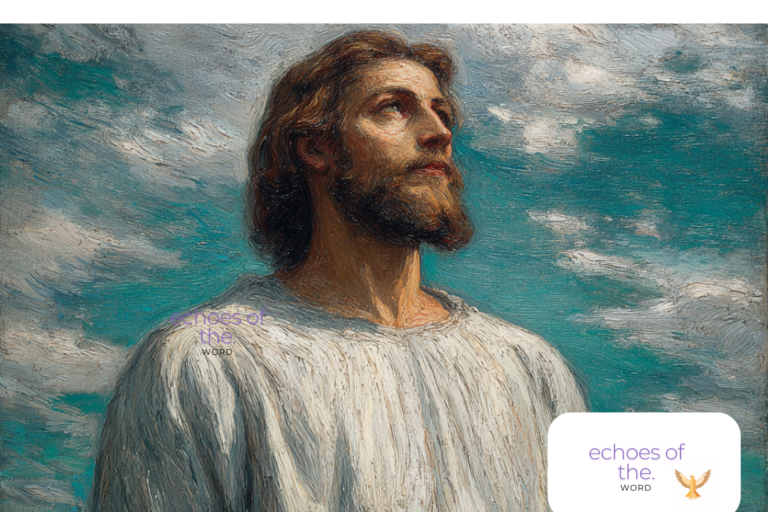
The absolute cornerstone of Christian faith is the person of Jesus Christ. Christians believe that Jesus is not merely a prophet or a wise teacher, but is the Son of God, fully divine and fully human. This belief in his unique identity is the bedrock upon which all other tenets of Christianity are built. His life, teachings, death, and resurrection are seen as the ultimate act of divine intervention in human history, offering salvation and a path to reconciliation with God. Without this central tenet, the entire Christian narrative would lose its meaning and its power.
This belief in Jesus as the incarnate Son of God is profoundly significant. It means that God himself entered human experience to understand and redeem humanity. The Gospel accounts vividly describe Jesus’ miracles, his compassionate interactions with the marginalized, and his radical teachings, all of which point to his divine authority. For example, his ability to heal the sick and raise the dead wasn’t just a demonstration of power, but a tangible sign of God’s healing love and his ultimate victory over suffering and death. This unique claim sets Christianity apart from many other religions, emphasizing a God who is not distant but actively involved in the world.
The Doctrine of the Trinity: One God in Three Persons
A fundamental and often complex tenet of Christianity is the doctrine of the Trinity. This principle states that there is one God, who exists eternally as three distinct, co-equal persons: God the Father, God the Son (Jesus Christ), and God the Holy Spirit. This is not a belief in three gods, but in one indivisible God who reveals himself in these three divine persons. It’s a mystery that has been pondered and debated for centuries, yet it remains central to Christian theology, offering a rich understanding of God’s nature and his relationship with creation.
Think of it like this: a family is one family, yet it consists of a father, a mother, and a child. Each is distinct, yet they are all part of the same unified family. Similarly, the Trinity is one God, but the Father, Son, and Holy Spirit are distinct in their roles and relationships while being fully God. The Father is the creator and sustainer of all things, the Son is the redeemer who came to earth, and the Holy Spirit is the comforter and guide who empowers believers. This unity in diversity reflects a God who is not solitary but relational, a God who, from the very beginning, exists in perfect communion.
Salvation Through Grace and Faith: The Path to Redemption
Perhaps the most transformative tenet of Christianity is the belief in salvation through grace and faith. Christians believe that humanity is inherently flawed due to sin, which separates us from a holy God. However, through the atoning sacrifice of Jesus Christ on the cross, a way has been made for reconciliation. Salvation is not earned through good deeds or adherence to strict laws, but is a free gift from God, received by faith in Jesus Christ. This emphasis on unmerited favor is a source of immense hope and assurance for believers.
This doesn’t mean that good works are unimportant; rather, they are seen as a natural outflow of a transformed heart, a response to God’s love. Imagine a person who has been deeply in debt. They can work tirelessly for years, but they will never be able to pay off the insurmountable debt on their own. Then, someone else steps in and pays the debt in full. The grateful person, by accepting this gift, is now free. Similarly, Jesus has paid the penalty for our sins, and by accepting this gift through faith, we are redeemed and restored to a right relationship with God. This divine intervention is the essence of Christian hope.
The Bible as God’s Word and Divine Revelation
The Holy Bible holds a position of supreme authority in Christianity. It is considered the inspired Word of God, a divine revelation that illuminates God’s character, his will for humanity, and the path to salvation. Christians believe the Bible contains truths that are timeless and authoritative, guiding their beliefs, practices, and moral compass. It’s not simply a historical record or a collection of ancient texts, but a living, active message from God himself, providing instruction and wisdom for every aspect of life.
This sacred scripture, a collection of books written over many centuries by various authors, is seen as a unified message from God. It tells the overarching story of creation, fall, redemption, and restoration. The Old Testament lays the foundation, revealing God’s covenant relationship with his people and prophesying the coming of a Messiah, while the New Testament focuses on the life, teachings, death, and resurrection of Jesus Christ, and the establishment of the early church. For believers, reading and meditating on the Bible is a crucial practice for growth in faith and understanding God’s plan.
The Importance of Love: God’s Love and Our Response
At the very heart of all the tenets of Christianity lies the profound emphasis on love. Christians believe that God is love itself, and that his love for humanity is unconditional and boundless. This divine love is the motivation behind creation, salvation, and all of God’s actions. In response to this immense love, believers are called to love God with all their heart, soul, and mind, and to love their neighbors as themselves. This commandment to love is seen as the fulfillment of all other laws and the defining characteristic of a true follower of Christ.
This isn’t just a passive sentiment; it’s an active, transformative force. Jesus demonstrated this love through his actions – healing the sick, feeding the hungry, forgiving his enemies, and ultimately sacrificing his life for the redemption of humanity. For Christians, emulating this selfless love is a core aspect of their faith journey. It means actively seeking the well-being of others, showing compassion to those in need, extending forgiveness, and working towards justice and peace in the world. This radical love is what sets the Christian faith apart and calls believers to a life of service and devotion.
The Role of the Holy Spirit: God’s Presence and Power
The Holy Spirit plays a vital and active role in the lives of Christians. As the third person of the Trinity, the Holy Spirit is God’s active presence in the world and in the lives of believers. He is the Comforter, the Guide, and the Empowerer. The Holy Spirit indwells believers, assuring them of their salvation, illuminating the Word of God, strengthening them to live a life pleasing to God, and equipping them with spiritual gifts to serve the church and the world. His presence is a continuous source of divine power and guidance.
Consider the Holy Spirit as an invisible force that propels and sustains the Christian life. When a Christian prays, it’s the Spirit who may bring a sense of peace or conviction. When a believer struggles with temptation, the Spirit provides the strength to resist. When a person seeks to understand a difficult passage of scripture, the Spirit illuminates its meaning. Furthermore, the Spirit bestows spiritual gifts, such as wisdom, healing, prophecy, or discernment, enabling believers to contribute to the community of faith and to spread the Gospel. This empowerment allows Christians to live out their faith in tangible ways.
The Church as the Body of Christ: Community and Fellowship
Christianity is not intended to be a solitary pursuit; it is fundamentally a communal faith. The Church, understood as the Body of Christ, is the community of believers united by their faith in Jesus. This sacred fellowship is where Christians gather for worship, mutual encouragement, teaching, and service. Within the Church, believers find support, accountability, and the opportunity to use their gifts for the building up of one another and for the advancement of God’s kingdom. The unity of the Church is a testament to the unifying power of Christ’s love.
Imagine a sports team. Each player has unique skills and a specific role, but they must work together, supporting each other, to achieve victory. Similarly, within the Church, individuals with diverse talents and backgrounds are called to be part of a unified body, each contributing to the common good. This spiritual family provides a place of belonging, where individuals can grow in their faith, be challenged to live more like Christ, and participate in God’s mission in the world. The gathering of believers is a powerful expression of God’s presence and a vital aspect of the Christian journey.
The Hope of Resurrection and Eternal Life
Finally, a profoundly comforting and motivating tenet of Christianity is the hope of resurrection and eternal life. Christians believe that Jesus’ resurrection from the dead is the ultimate promise of victory over death, and that all who believe in him will also experience a resurrection and live eternally with God. This eschatological hope provides immense comfort in the face of suffering and loss, offering the assurance that this life is not the end, but a prelude to a glorious future in God’s presence. It fuels a perspective of eternal significance for the present.
This promise of a glorious eternity is not a passive waiting game, but an active motivation for living a life of faith and obedience in the present. Knowing that there is a future where all wrongs will be righted and all tears will be wiped away encourages believers to persevere through trials and to live with purpose and integrity. It’s the ultimate foundation of hope, assuring believers that their faith is not in vain and that their relationship with God transcends the limitations of earthly existence. This divine assurance is a powerful force for living a life of meaning and impact.
Frequently Asked Questions: Tenets of Christianity
What are the core beliefs of Christianity?
The most fundamental tenet of Christianity is the belief in one God, who exists as a Trinity: God the Father, God the Son (Jesus Christ), and God the Holy Spirit. Christians believe Jesus Christ is the Son of God, who died for the sins of humanity and rose again, offering salvation to those who believe in him.
What is the significance of Jesus Christ in Christianity?
Jesus Christ is central to Christianity. Christians believe he is the Messiah prophesied in the Old Testament, the divine Son of God, and the redeemer of humankind. His life, teachings, death, and resurrection are the foundation of Christian faith and practice.
What is the Holy Bible?
The Holy Bible is the sacred scripture of Christianity, comprising the Old Testament (shared with Judaism) and the New Testament. Christians believe the Bible is divinely inspired and contains God’s word, providing guidance for faith and life.
What does “salvation” mean in Christianity?
Salvation, in Christian theology, refers to deliverance from sin and its consequences, leading to eternal life with God. It is typically believed to be achieved through faith in Jesus Christ and his atoning sacrifice.
What is the concept of the Trinity in Christianity?
The Trinity is the doctrine that God is one being who exists eternally in three co-equal and co-eternal persons: the Father, the Son (Jesus Christ), and the Holy Spirit. While distinct persons, they are of the same divine essence.
What is the role of the Holy Spirit in Christianity?
The Holy Spirit is considered the third person of the Trinity. Christians believe the Holy Spirit indwells believers, guides them, empowers them, and sanctifies them, helping them to live a life pleasing to God.
What is the Christian understanding of sin?
Sin is understood as any action, thought, or attitude that goes against God’s will and law. Christians believe that all humanity has sinned and fallen short of God’s glory, necessitating a savior.
What is the Christian view on the afterlife?
Most Christians believe in an afterlife that includes either eternal life in heaven with God for believers or eternal separation from God (hell) for those who reject him. The resurrection of the dead is also a key belief.
What are the sacraments in Christianity?
Sacraments are considered sacred rites or rituals instituted by Jesus Christ that are seen as outward signs of inward spiritual grace. The most common sacraments are Baptism and Communion (the Eucharist or Lord’s Supper), though the number and nature of sacraments vary among Christian denominations.
What is the Church in Christianity?
The Church, in a broad sense, refers to the community of all believers in Jesus Christ throughout history and across the globe. Denominations also have institutional churches that serve as places of worship, community, and spiritual formation.