The Enduring Pillars: Understanding the Tenets of the Christian Faith
Christianity, a religion that has profoundly shaped global history and continues to influence the lives of billions, is built upon a bedrock of fundamental beliefs known as tenets. These core principles are not merely historical footnotes; they are vibrant, living truths that offer meaning, purpose, and hope to adherents. For those seeking to understand this vast religious tradition, or perhaps re-examine their own connection to it, exploring these tenets provides an invaluable roadmap to the heart of Christian thought and practice. This article will delve into these essential beliefs, illuminating their significance and offering relatable insights into their impact on daily life.
Understanding the tenets of the Christian faith is akin to appreciating the foundational architecture of a magnificent cathedral. Without these core structures, the beauty and complexity of the edifice would crumble. They provide the framework for belief, the guidelines for living, and the ultimate source of comfort and strength for Christians worldwide. Whether you are a lifelong follower or a curious inquirer, grasping these fundamental tenets is crucial to comprehending the richness and depth of this ancient yet ever-relevant religion.
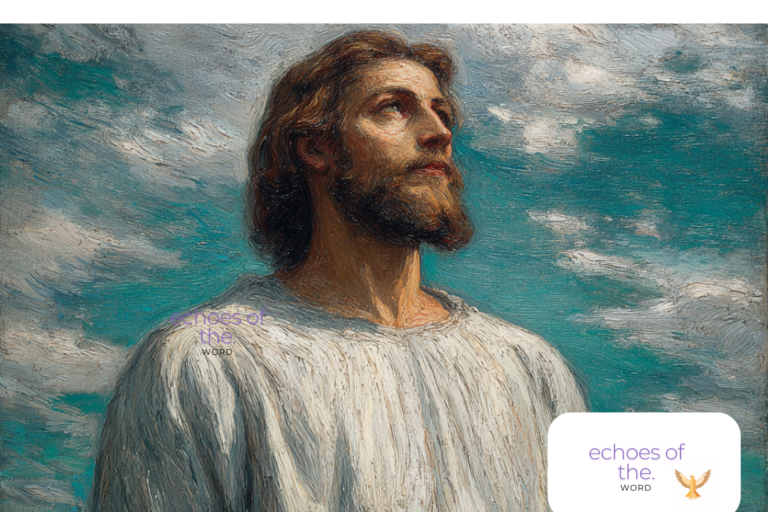
At the absolute center of the Christian faith is the person of Jesus Christ. Christians believe that Jesus is not merely a historical figure or a wise teacher, but is in fact the Son of God, divine in nature, and uniquely instrumental in God’s plan for humanity. This belief is foundational, forming the bedrock upon which all other Christian tenets are built. The assertion of Jesus’ divinity sets Christianity apart, defining its unique theological landscape.
The incarnation, the belief that God became human in the person of Jesus, is a profound mystery and a cornerstone tenet. It signifies that God is not distant or unconcerned, but actively involved in the human experience. This means that God understands our struggles, our joys, and our pain, having experienced them Himself. This concept of a God who walked among us offers immense comfort and a tangible connection to the divine, making faith more than just an abstract idea.
The Divine Nature of Jesus
The divinity of Jesus is not a metaphorical statement for Christians; it is a literal truth. The Bible, the sacred text of Christianity, presents Jesus as possessing attributes and performing actions that belong to God alone. This includes the power to forgive sins, to perform miracles, and ultimately, to conquer death itself. For Christians, this means that when they worship Jesus, they are worshipping God Himself. This is a radical claim that underscores the unique position Jesus holds within their faith.
Consider, for example, the miracle of Jesus feeding thousands with just a few loaves of bread and fish. This act, recounted in all four Gospels, is seen not just as an act of compassion but as a demonstration of divine power and provision. It illustrates that Jesus, as the Son of God, has the authority and ability to meet the deepest needs of humanity, both physically and spiritually. This belief in his divine authority empowers believers to trust in his guidance and his promises.
The Life, Death, and Resurrection of Jesus
The life, death, and resurrection of Jesus Christ are the pivotal events around which the entire Christian narrative revolves. His earthly ministry was characterized by teachings of love, compassion, and forgiveness, challenging the religious and social norms of his time. His crucifixion, a brutal execution, is viewed not as a defeat but as a voluntary sacrifice to atone for the sins of humanity. This atonement is a central tenet, offering redemption and reconciliation with God.
The resurrection, the belief that Jesus rose from the dead three days after his crucifixion, is perhaps the most transformative tenet of Christianity. It serves as the ultimate proof of his divine nature and the victory over death and sin. The resurrection offers hope for eternal life to all who believe in him, promising that death is not the end but a transition to a new and glorious existence. This assures believers that they too can overcome the limitations of their earthly existence through faith in Christ.
The Work of God: The Trinity and Divine Revelation
Beyond the singular person of Jesus Christ, the Christian faith also grapples with the nature of God Himself, understanding Him as a Trinitarian being. This complex yet crucial tenet posits that God exists as one God in three co-equal, co-eternal persons: the Father, the Son (Jesus Christ), and the Holy Spirit. This doctrine, while challenging to fully comprehend, is central to Christian theology and shapes their understanding of God’s interaction with the world.
The concept of the Trinity is not About three gods, but About one divine essence expressed in three distinct persons. Each person of the Trinity plays a vital role in salvation history and in the lives of believers. The Father is the creator and sustainer of all things, the Son is the redeemer, and the Holy Spirit is the sanctifier and comforter, guiding believers into truth and empowering them to live a Christian life. This unified yet distinct understanding of God provides a profound theological framework.
The Doctrine of the Trinity
The doctrine of the Trinity is a cornerstone of Christian orthodoxy, distinguishing it from other monotheistic religions. While the word “Trinity” itself doesn’t appear in the Bible, the concept is understood to be revealed throughout Scripture. For instance, Jesus speaks of being sent by the Father, and promises the coming of the Holy Spirit. The baptismal formula in Matthew 28:19, commanding believers to be baptized in the name of the Father, and of the Son, and of the Holy Spirit, is often cited as direct biblical support.
Think of it like water, which can exist as ice, liquid, or steam, yet it remains H₂O. Similarly, God is one, yet manifests in three distinct persons, each with unique roles but sharing the same divine nature. This is a mystery of faith, not something to be fully grasped by human logic alone, but a truth accepted by believers through divine revelation and the continued work of the Holy Spirit in illuminating their understanding.
Divine Revelation and Scripture
Central to understanding God and His will is the concept of divine revelation. Christians believe that God actively reveals Himself to humanity, and this revelation is primarily found in Scripture, the Bible. The Bible is considered the inspired Word of God, a collection of writings that, while penned by human authors, are guided by the Holy Spirit to convey God’s truth accurately. This makes the Bible the ultimate authority for Christian belief and practice.
The Bible is not just a historical document; it is a living and active guide for believers. It contains narratives, laws, prophecies, wisdom literature, and the teachings of Jesus. Through its pages, Christians learn About God’s character, His plan for salvation, and how they are called to live. The process of biblical interpretation is therefore a vital spiritual discipline, allowing believers to connect with God’s message and apply its timeless wisdom to their contemporary lives.
The Path to Salvation: Grace, Faith, and Atonement
The ultimate purpose of Jesus’ coming, death, and resurrection, according to Christian tenets, is to offer salvation to humanity. This salvation is not earned through human effort or merit but is a gift from God, received through grace and faith. This concept is profoundly liberating, shifting the focus from human achievement to divine generosity. It emphasizes that our relationship with God is not transactional, but based on His unconditional love.
Salvation, in its broadest sense, means being rescued from the consequences of sin and restored to a right relationship with God. This includes forgiveness of sins, spiritual rebirth, and the promise of eternal life. This is a transformative process that begins with a decision of faith and continues throughout a believer’s life. The path to salvation is therefore not one of self-improvement, but of surrendering to God’s saving power.
The Role of Grace
Grace is a fundamental tenet, often described as “unmerited favor.” It is God’s benevolent and undeserved kindness extended to humanity, even in our sinfulness. Christians believe that they are incapable of saving themselves and that it is only through God’s grace that they can be reconciled to Him. This grace is powerfully demonstrated in the life and sacrifice of Jesus Christ, which provides the means for forgiveness and redemption.
Imagine a parent who forgives their child for a serious mistake, not because the child has earned it, but out of pure love. This is a glimpse of God’s grace. It means that no matter how far someone has strayed, God’s offer of forgiveness and reconciliation is always available through Christ. This abundant grace is the engine of the Christian faith, fueling hope and enabling transformation.
The Necessity of Faith
While grace is God’s provision, faith is the human response that appropriates this grace. The tenet of justification by faith means that individuals are declared righteous in God’s eyes not by their good deeds, but by believing in Jesus Christ and accepting His atoning sacrifice. Faith is not mere intellectual assent but a deep trust and reliance on God and His promises. It involves a willingness to surrender one’s life to Christ’s lordship.
Think of stepping onto a bridge that is proven to be strong. You don’t test every plank; you trust the builder and walk across. Similarly, faith in Christianity is a trust in Jesus Christ as the Savior and Lord. This trust leads to a transformation of one’s life, as the believer seeks to live according to Christ’s teachings. This active faith is a demonstration of the genuine nature of one’s belief and a pathway to experiencing God’s transformative power.
Atonement and Redemption
The concept of atonement is central to understanding how salvation is made possible. Christians believe that Jesus’ death on the cross served as a substitutionary sacrifice, paying the penalty for humanity’s sins. This act of redemption liberates believers from the bondage of sin and its consequences, offering them a clean slate and the opportunity to live in fellowship with God. The blood shed by Christ is seen as the cleansing agent that removes the stain of sin.
This means that through Jesus’ sacrifice, the justice and mercy of God are satisfied. God’s perfect justice demands a penalty for sin, but His perfect love provided a way for that penalty to be paid by His own Son. This profound act of love allows for reconciliation, where humanity, separated from God by sin, can be brought back into relationship with Him. This is the essence of redemption – being bought back from slavery to sin.
The Journey of Faith: The Holy Spirit and the Christian Life
The Christian faith is not a static set of beliefs but a dynamic, ongoing journey. This journey is facilitated by the indwelling presence of the Holy Spirit, the third person of the Trinity. The Holy Spirit is the divine agent who empowers believers, guides them in truth, and sanctifies them, helping them to grow in Christ-likeness. This empowerment is essential for living a life that honors God.
The Holy Spirit is often described as the “helper” or “comforter,” always present to assist believers in their walk of faith. This divine assistance is not optional; it is an integral part of the Christian experience, enabling individuals to overcome challenges, resist temptation, and live out their faith authentically in a complex world. The active presence of the Spirit makes the Christian life not just possible, but vibrant and purposeful.
The Role of the Holy Spirit
The Holy Spirit plays a multifaceted role in the life of a Christian. He convicts the world of sin, regenerates believers, indwells them, guides them into all truth, empowers them for service, and seals them for the day of redemption. This divine indwelling means that believers are never alone; they have direct access to the power and wisdom of God within them. This constant companionship is a source of immense strength and assurance.
Consider the analogy of a powerful engine in a car. The Holy Spirit is that engine for the Christian life, providing the power and direction needed to navigate the journey. Without the Holy Spirit, the Christian life would be an impossible burden. His work is to transform believers from the inside out, enabling them to bear the fruit of the Spirit, such as love, joy, peace, patience, kindness, goodness, faithfulness, gentleness, and self-control.
The Christian Life and Discipleship
The tenets of Christianity ultimately call believers to a life of discipleship, which means actively following Jesus and living out His teachings. This involves cultivating spiritual disciplines such as prayer, Bible study, worship, fellowship with other believers, and acts of service and evangelism. The Christian life is a continuous process of learning, growing, and striving to reflect Christ’s character in all aspects of one’s life. It is a lifelong commitment to obedience and love.
This discipleship is not About perfection but About progress. It involves acknowledging one’s weaknesses and relying on God’s strength to overcome them. It’s About intentionality, making conscious choices to align one’s life with the values and teachings of Jesus. This ongoing pursuit of holiness, empowered by the Holy Spirit, is the hallmark of a vibrant and authentic Christian life. The community of believers also plays a crucial role in this journey, offering support, encouragement, and accountability.
Hope and Eternal Life
Finally, a central tenet that permeates all others is the Christian hope, which is rooted in the promise of eternal life. This hope is not a vague wish but a confident expectation based on the resurrection of Jesus Christ. It assures believers that death is not the end but a transition to be with God eternally. This promise provides comfort and perspective in the face of suffering and the inevitability of death.
This future hope profoundly influences the present. It motivates Christians to live lives of purpose and meaning, knowing that their earthly actions have eternal significance. It also provides resilience in the face of adversity, as they trust that their present struggles are temporary and that a glorious future awaits. This unshakeable hope is a powerful force that sustains faith and inspires believers to live lives of love and service, anticipating the day when they will be fully reunited with God.
Frequently Asked Questions About the Tenets of the Christian Faith
What are the core beliefs of Christianity?
The core beliefs of Christianity revolve around the belief in one God, who exists as a Trinity: the Father, the Son (Jesus Christ), and the Holy Spirit. Christians believe Jesus Christ is the Son of God, who came to earth, died for the sins of humanity, and was resurrected, offering salvation and eternal life to those who believe in him. The Bible, consisting of the Old and New Testaments, is considered the inspired word of God and the ultimate authority for Christian doctrine and practice.
Who is Jesus Christ?
Christians believe Jesus Christ is the central figure of their faith. They believe he is the Son of God, fully divine and fully human, who was conceived by the Holy Spirit, born of the Virgin Mary, lived a sinless life, performed miracles, was crucified, died, and was resurrected from the dead. His death on the cross is seen as an atonement for the sins of humanity, and his resurrection offers hope for eternal life.
What is the concept of the Trinity?
The Trinity is the Christian doctrine that God is one God, but three co-equal, co-eternal persons: the Father, the Son (Jesus Christ), and the Holy Spirit. This means there is one God in essence, but three distinct persons within that divine essence. This is a mystery of faith that Christians believe is revealed in Scripture.
What is salvation in Christianity?
Salvation, in Christianity, refers to the deliverance from sin and its consequences, leading to reconciliation with God and eternal life. Christians believe salvation is a gift from God, received through faith in Jesus Christ. This faith involves believing in his sacrifice and resurrection as the means of atonement for sins. Good works are often seen as a demonstration of this faith, rather than a means to earn salvation.
What is the Bible?
The Bible is the sacred scripture of Christianity. It is composed of two main parts: the Old Testament (which Christians share with Judaism) and the New Testament. Christians believe the Bible is the inspired word of God, providing guidance for faith and life, revealing God’s nature, his plan for humanity, and the teachings of Jesus Christ.
What is the role of the Holy Spirit?
The Holy Spirit is the third person of the Trinity. Christians believe the Holy Spirit is God actively present in the world and in the lives of believers. The Holy Spirit guides, comforts, empowers believers, convicts people of sin, regenerates them, and seals them for salvation.
What are the sacraments in Christianity?
Sacraments are outward and visible signs of inward and spiritual grace, instituted by Christ. The two most commonly recognized sacraments in most Christian traditions are Baptism and Communion (also known as the Eucharist or Lord’s Supper). These are seen as important means through which God’s grace is conveyed to believers.
What is sin?
Sin, in Christian theology, is any act, thought, or attitude that goes against the will of God or violates God’s moral law. It is understood as a rebellion against God and a separation from him. Christians believe all humanity has sinned, and sin has consequences, including spiritual death.
What is the Kingdom of God?
The Kingdom of God refers to God’s sovereign rule and reign. It is understood in both present and future dimensions. It is present in the lives of believers through the work of the Holy Spirit and the teachings of Jesus, and it will be fully realized in the future when Christ returns.
What is the significance of the resurrection of Jesus?
The resurrection of Jesus Christ is a cornerstone of Christian belief. It is seen as proof of Jesus’ divine identity, the victory over death and sin, and the assurance of eternal life for believers. It forms the basis of Christian hope and the foundation for the Christian message of salvation.