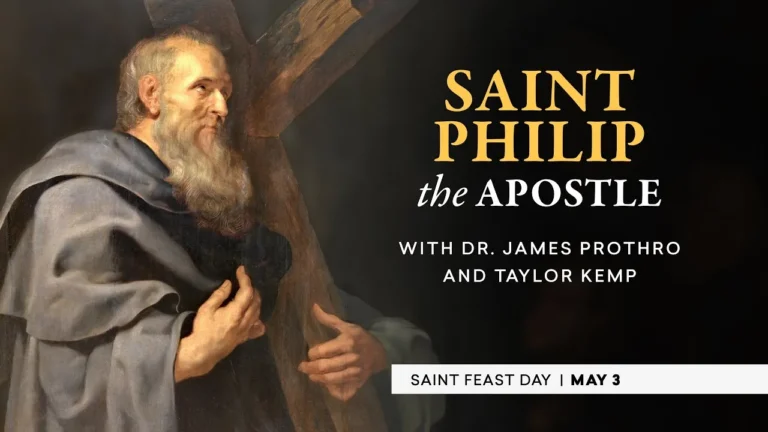
How to Become an Apostle: Embracing a Life of Divine Purpose
The term “apostle” conjures images of devotion, sacrifice, and an unshakeable commitment to a higher calling. In religious contexts, an apostle is often understood as someone sent forth with a specific mission, a messenger of divine truth, and a leader who inspires and guides others. While the historical context often refers to the immediate disciples of Jesus, the spirit of apostleship transcends time and can be embraced by individuals seeking to live a life of profound purpose and spiritual impact in any era. This journey isn’t About a formal ordination in the traditional sense for most, but rather a deep, internal transformation and a commitment to living out Christ’s teachings in the world.
Becoming an apostle, in its truest sense, is less About acquiring a title and more About cultivating a Christ-centered life. It involves a radical surrender of self, a burning desire to serve humanity, and a willingness to be a conduit for God’s love and grace. It’s a path of authentic discipleship, characterized by unwavering faith, profound love, and courageous action. This article will explore the essential elements of this transformative journey, offering a practical and relatable guide for those who feel the stirrings of this sacred calling within their hearts.
At its heart, apostleship is About being sent. The word itself, derived from the Greek “apostolos,” signifies one who is dispatched or commissioned. For believers, this commission originates from God, a divine mandate to share the transformative message of their faith and live it out demonstrably. This isn’t a passive reception of a message; it’s an active proclamation and embodiment of that message. Think of it like receiving a vital package with instructions to deliver it safely and effectively to its intended recipients – the message being the Gospel, and the recipients being all of humanity.
An apostle is not merely a preacher or a teacher; they are living examples of the principles they espouse. Their lives become a testament to the power of their beliefs, demonstrating radical love, unwavering hope, and unshakeable forgiveness. This involves a profound personal transformation, where the individual’s character is molded by their faith, making them a beacon of light in a world often shrouded in darkness. The journey of becoming an apostle is therefore intrinsically linked to the journey of becoming a more Christ-like individual.
The Foundation: Deepening Your Relationship with the Divine
The bedrock of any aspiring apostle is a deep, personal, and intimate relationship with God. This isn’t a superficial acquaintance but a profound connection forged through consistent prayer, scripture study, and mindful reflection. Just as a close friend understands and anticipates the needs of another, an apostle seeks to understand God’s heart and will through dedicated spiritual discipline. This requires setting aside regular, uninterrupted time for communion with the Divine, even amidst the busyness of modern life.
This relationship is nurtured through habitual engagement with sacred texts, prayer, and meditation. Imagine sitting at the feet of a wise mentor, absorbing their every word and seeking to understand their deepest motivations. Likewise, immersing yourself in scripture, praying with sincerity, and practicing contemplative prayer allows you to hear God’s voice more clearly and discern His purposes. This constant communion is what fuels the apostle’s conviction and empowers them to speak and act with divine authority. Consider it a spiritual intake and output system – receiving divine wisdom and then being empowered to share it.
Cultivating Christ-like Character: Love, Humility, and Sacrifice
The essence of apostleship is deeply intertwined with the character of Christ Himself. To truly embody the spirit of an apostle, one must actively cultivate traits like unconditional love, profound humility, and a willingness to sacrifice. This means extending compassion and grace to all, regardless of their background or actions, mirroring God’s boundless love. It involves shedding ego and pride, recognizing that true strength lies in serving others rather than seeking personal recognition.
The path of an apostle often involves significant personal sacrifice. This might manifest as giving up personal comfort, time, or resources to serve those in need, or it could mean enduring persecution or opposition for the sake of their faith. Jesus’ own life was a testament to this, demonstrating that true leadership is often found in service and selflessness. Think of a parent who consistently puts their child’s needs above their own; this level of dedication and love is a earthly echo of the sacrificial spirit required for apostleship. The sacrifice isn’t seen as a burden, but as a privilege – an opportunity to participate in divine work.
Embracing Your Divine Commission: Purpose and Calling
The journey to becoming an apostle is fundamentally About discovering and embracing your unique divine commission. This isn’t a generalized mandate but a specific calling tailored to your gifts, passions, and the needs of the world around you. It requires discernment and a willingness to step out in faith, even when the path isn’t entirely clear. God equips each individual with distinct talents and abilities, intended to be used for His glory and the betterment of humanity.
Your commission might involve evangelism, teaching, healing, social justice advocacy, or a myriad of other expressions of faith. The key is to listen attentively to God’s whispers and to respond with obedience and courage. This often involves stepping outside your comfort zone and embracing opportunities that align with your God-given purpose. Think of a skilled craftsman who is given a specific project that perfectly utilizes their unique abilities; your divine commission is that project, designed by God for your specific talents.
Identifying Your Gifts and Talents for Service
To effectively fulfill a divine commission, it’s crucial to identify and hone your unique gifts and talents. God has endowed each believer with specific abilities, intended to be utilized in service to His kingdom. This might include gifts of teaching, administration, encouragement, healing, prophecy, or service. Taking the time to prayerfully assess your strengths and passions is a critical step in understanding how you can best contribute.
Engaging in various ministries and opportunities within your faith community can help you discover where your talents shine brightest. Don’t be afraid to try new things and step into roles that might seem challenging. As you consistently use your gifts for God’s purposes, they will become stronger and more refined. Consider a gardener who experiments with different plants to see which ones thrive in their soil; similarly, you experiment with different areas of service to discover where you are most fruitful. This often involves seeking feedback from trusted mentors and spiritual leaders who can offer objective insights into your spiritual gifts.
Stepping Out in Faith: Action and Obedience
The understanding of how to become an apostle is incomplete without emphasizing the absolute necessity of action and obedience. Acknowledging your gifts and understanding your calling are merely preparatory steps; the true manifestation of apostleship lies in actively stepping out in faith and obeying God’s direction. This often involves taking bold steps into the unknown, trusting that God will empower and guide you every step of the way.
Obedience is not blind compliance but a willing surrender to God’s perfect plan. It means acting on the promptings of the Holy Spirit, even when those promptings seem inconvenient or difficult. The early apostles, for instance, left their livelihoods behind to follow Jesus, demonstrating an unwavering commitment to their divine commission. Think of an athlete who trains rigorously and then competes with all their might; your faith journey involves consistent spiritual training followed by courageous action in the world. This proactive engagement is what distinguishes a passive believer from an active apostle.
Living as an Apostle in the Modern World
The principles of apostleship are as relevant today as they were in the first century. In our increasingly complex and often disconnected world, there is a profound need for individuals who are willing to live out their faith with authenticity, compassion, and courage. Embracing apostolistic principles means being a force for good, actively seeking to bring healing, hope, and transformation to those around you. This isn’t About grand gestures but About consistent acts of love and service in your daily life.
Becoming an apostle in the modern era involves integrating your faith into every aspect of your life. It means bringing divine principles to your workplace, your family, and your community. It’s About being a living testament to the transformative power of God’s love, impacting the world not through coercion, but through inspiration and genuine connection. The challenge is to maintain this divine focus amidst the distractions and demands of contemporary society.
Spreading the Message Through Authentic Living
The most powerful way to spread the message of faith is through authentic, Christ-centered living. Your life itself becomes a sermon, demonstrating the practical application of your beliefs. This means consistently exhibiting kindness, integrity, and a genuine concern for the well-being of others. People are often more receptive to a message when they see it lived out in the lives of those who proclaim it.
Authenticity involves being transparent About your struggles and triumphs, acknowledging your humanity while simultaneously pointing to the divine strength that sustains you. It’s About living out the fruits of the Spirit – love, joy, peace, patience, kindness, goodness, faithfulness, gentleness, and self-control – in all your interactions. Think of a beautifully crafted piece of art that speaks volumes without uttering a single word; your life, lived in accordance with Christ’s teachings, can be a powerful testament to divine truth. This demonstration of faith through action is more impactful than any eloquent speech.
Building Communities of Faith and Support
Apostles are often catalysts for community building. They understand the importance of fellowship and mutual support in the journey of faith. This involves actively participating in and contributing to communities of believers, fostering environments where individuals can grow, encourage one another, and share their burdens. Strong communities provide a vital network of support for those on the path of apostleship, offering encouragement during challenges and celebrating victories together.
Building these communities requires intentional effort, open communication, and a willingness to serve within the group. It’s About creating spaces where vulnerability is welcomed, and authenticity is cherished. Consider a strong, interconnected root system that nourishes a mighty tree; healthy faith communities provide the essential nourishment for spiritual growth and resilience. This involves not only attending gatherings but actively contributing your gifts and talents to strengthen the fabric of the community. These communities become launchpads for further apostolic endeavors, empowering individuals to impact the wider world.
The path of apostleship is not a destination but an ever-evolving journey of growth and deepening commitment. It requires continuous learning, adaptation, and a steadfast reliance on God’s grace. As you mature in your faith and your understanding of your commission, you will undoubtedly encounter new challenges and opportunities. Embracing these moments with a spirit of humility and a desire for growth is essential for sustained impact.
The journey of becoming an apostle is a lifelong endeavor, marked by persistent dedication, unwavering faith, and an ever-increasing capacity for love and service. It’s a call to perpetually refine your understanding and application of divine principles, allowing God to mold you into an ever more effective instrument of His will. The pursuit of apostleship is ultimately the pursuit of ever-deeper communion with the Divine and ever-greater service to humanity.
Frequently Asked Questions: Becoming an Apostle
What is an apostle?
An apostle is a person who is sent out to be a messenger or a representative. In Christianity, the term is most commonly used to refer to the original twelve disciples chosen by Jesus Christ, as well as other early church leaders who played a crucial role in spreading the Gospel.
Can anyone become an apostle today?
The concept of “apostle” can be understood in different ways within Christianity. For some, the role was specific to the foundational period of the early church and the original twelve. For others, particularly within denominations that believe in spiritual gifts continuing, an apostle might be seen as someone with a specific calling and gifting to plant churches, lead in new initiatives, or provide foundational teaching and spiritual authority. However, it’s generally not viewed as a title that can be self-appointed or achieved through a formal process in the same way as ordination for a pastor or elder.
What are the qualifications or characteristics of someone who might be considered an apostle?
Based on biblical descriptions, characteristics of those considered apostles often include:
A direct calling and commissioning from God.
A deep understanding and proclamation of the Gospel of Jesus Christ.
The ability to perform signs, wonders, and miracles as validation of their message.
Foundational leadership in establishing and guiding the church.
A life of integrity and spiritual maturity.
A spirit of sacrifice and dedication to spreading the faith.
How does one discern if they have a calling to be an apostle?
Discernment is a spiritual process. It typically involves:
Prayer and seeking God’s guidance.
Studying scripture to understand the biblical role of apostles.
Confirmation from mature spiritual leaders within the church community.
Witnessing the fruit of one’s ministry, such as the establishment of new ministries or the spiritual growth of others.
A persistent inner conviction and a clear gifting for foundational leadership and evangelism.
Are there specific denominations or traditions that recognize apostles today?
Some Pentecostal and Charismatic denominations and movements believe in the continuation of spiritual gifts, including the apostolic office. They may identify individuals who function in apostolic roles, such as church planting, missionary work, and foundational teaching. Other traditions may not use the title “apostle” in a formal office but may recognize individuals with strong foundational leadership and evangelistic gifts.