The Enduring Power of Men and Prayer: A Journey of Faith and Strength
In the tapestry of human experience, prayer has long been a cornerstone, a silent conversation with the divine that transcends cultures and generations. For men, this practice of prayer and its connection to religion often carries a unique resonance, a potent source of strength, guidance, and community. It’s a testament to the enduring human need for something larger than ourselves, a desire to connect with a higher power that can offer solace in times of hardship, clarity in moments of confusion, and gratitude in seasons of joy. This article explores the profound and often understated role of men and prayer within the realm of religion, delving into its practical benefits, diverse expressions, and the transformative impact it can have on a man’s life.
Unpacking the Essence: What Does Prayer Mean for Men?
The act of prayer for men is far more than a ritualistic utterance; it’s a fundamental aspect of spiritual engagement within various religions. It represents a conscious effort to communicate their innermost thoughts, fears, and aspirations to a benevolent deity. For many, it’s an acknowledgement of their limitations and a surrender of control over circumstances beyond their grasp. This doesn’t imply weakness, but rather a profound wisdom in recognizing that true strength often lies in humility and reliance on a greater force.
Consider the image of a seasoned craftsman meticulously shaping wood, his focus absolute. In a similar vein, men approach prayer with a focus on earnest petition, heartfelt thanksgiving, and sincere confession. It’s a time to unburden their souls, to seek divine wisdom for difficult decisions, and to offer gratitude for the blessings, both big and small, that enrich their lives. This dedicated time allows them to center themselves, to realign their priorities, and to foster a deeper understanding of their purpose and place in the world, all within the framework of their chosen religion.
Beyond the Stereotype: Diverse Expressions of Faith
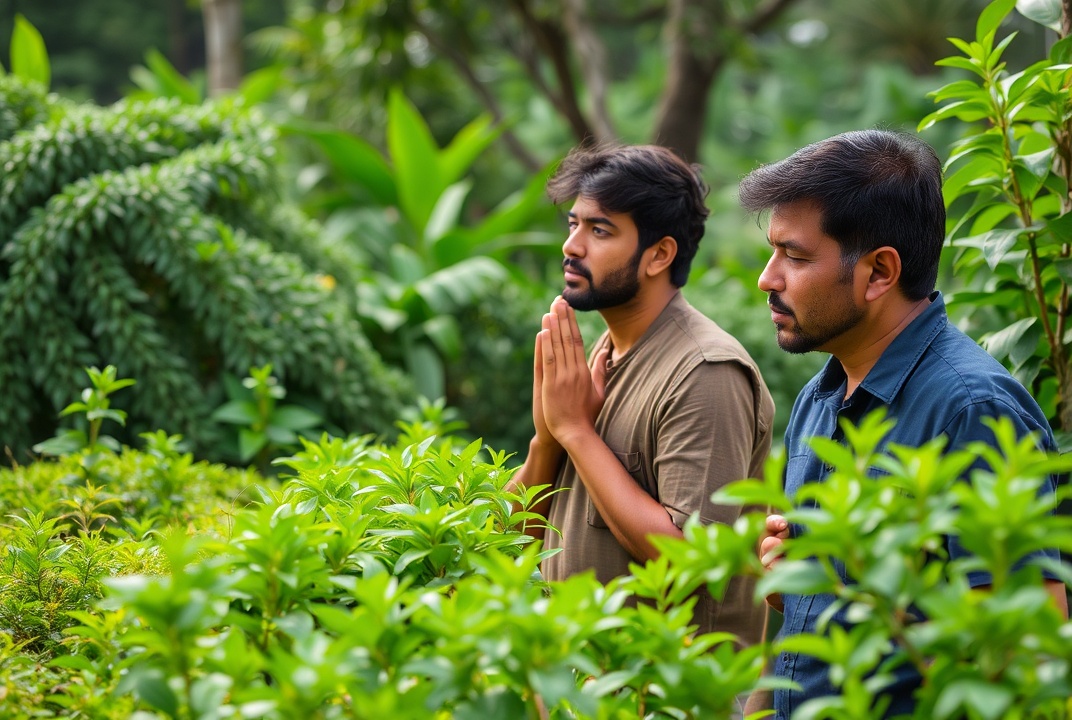
The notion of men and prayer can sometimes be colored by outdated stereotypes, suggesting a stoic or detached approach to faith. However, the reality is far richer and more varied. Prayer for men manifests in a multitude of forms, reflecting the diverse personalities, backgrounds, and spiritual journeys they undertake within their respective religions. It’s a deeply personal act, and its expression can range from silent contemplation and meditation to outspoken supplication and communal worship.
From the solitary man kneeling by his bedside at dawn, offering personal petitions and reflecting on the day ahead, to the group of men gathered in a place of worship, raising their voices in unified prayer, the spectrum is broad. Some find solace in structured liturgical prayers, adhering to ancient traditions passed down through generations. Others prefer a more spontaneous, conversational approach, speaking to God as they would a trusted friend. Regardless of the specific method, the underlying intent remains the same: to forge a connection, to seek understanding, and to strengthen their spiritual resolve.
The Practical Pillars: How Men and Prayer Yield Tangible Benefits
The benefits of men and prayer extend far beyond the spiritual realm, impacting their mental, emotional, and even physical well-being. Engaging in regular prayer can serve as a powerful tool for stress management, providing an outlet for anxieties and fostering a sense of calm and resilience. In the relentless pace of modern life, the dedicated moments of prayer offer a much-needed pause, a chance to recharge and re-center.
Furthermore, prayer can significantly enhance decision-making skills. When faced with complex choices, men who engage in prayer often find themselves with greater clarity and perspective. It’s akin to stepping back from a tangled knot; the act of seeking divine insight can help unravel the complexities, allowing for a more considered and often wiser course of action. This spiritual discipline cultivates patience, promotes self-awareness, and can lead to a more purposeful direction in their personal and professional lives, strengthening their commitment to their faith and its tenets within religion.
Building Resilience: Overcoming Life’s Challenges
Life invariably presents challenges, and for men, prayer can be an invaluable source of strength and fortitude in navigating these difficult times. When faced with adversity, whether it be personal loss, professional setbacks, or health concerns, the act of prayer offers a beacon of hope. It allows men to voice their fears and frustrations in a safe and sacred space, fostering a sense of release and catharsis.
This spiritual engagement doesn’t negate the reality of struggle, but rather equips men with an inner resilience to face it. By turning to prayer, they can find the courage to persevere, the wisdom to learn from difficult experiences, and the faith to believe in a brighter future. The words of prayer become a powerful affirmation, reminding them that they are not alone in their struggles and that divine support is always accessible, a constant within their religion.
The Communal Current: Men, Prayer, and the Power of Shared Faith
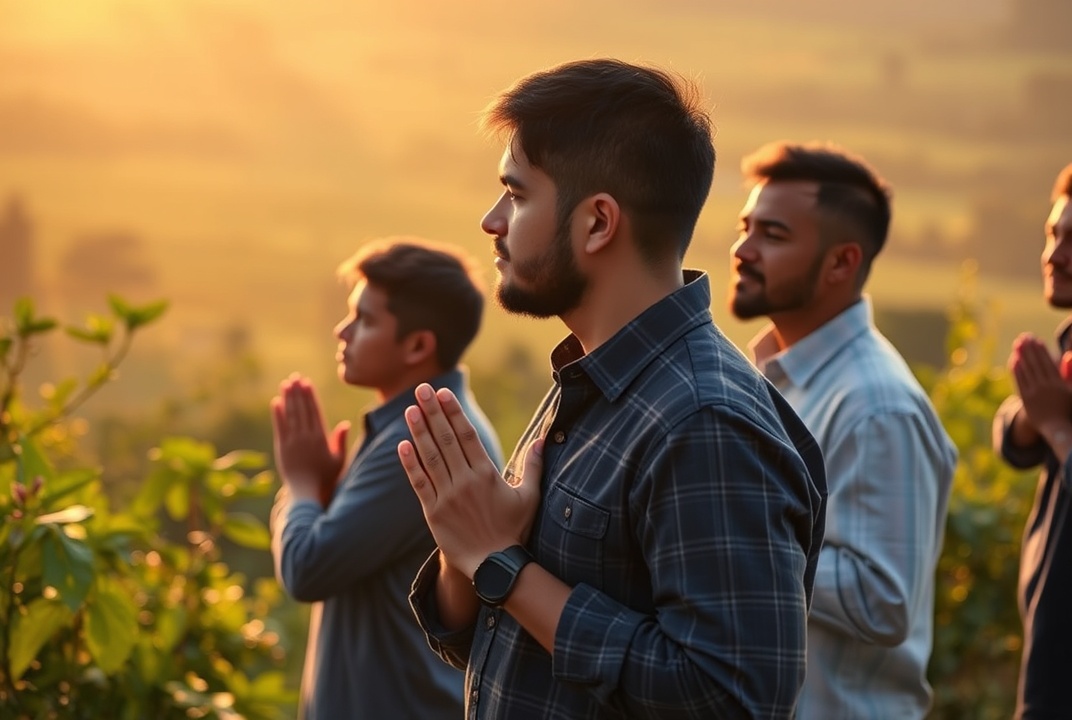
While prayer can be a deeply personal journey, its communal dimension is equally significant, especially for men within their religious communities. The act of praying together fosters a profound sense of connection and belonging. It creates a shared space where men can support one another, celebrate successes, and offer comfort during times of need. This collective spiritual practice builds stronger bonds and a more cohesive community.
Think of a sports team huddling before a big game; there’s a palpable energy that arises from their shared purpose and mutual encouragement. Similarly, men engaging in communal prayer experience a similar synergy. This shared faith can inspire greater acts of service, promote mutual accountability, and reinforce the values and teachings of their religion. The words of prayer, spoken in unison, become a powerful declaration of their collective identity and their shared commitment to their spiritual path.
Mentorship and Legacy: Passing the Torch of Faith
The practice of men and prayer also plays a vital role in the transmission of faith across generations. Older men often serve as mentors, guiding younger generations in the understanding and practice of prayer within their religion. They share their wisdom, experiences, and testimonies, illustrating the transformative power of prayer in their own lives. This intergenerational dialogue is crucial for preserving spiritual traditions and ensuring their continued relevance.
By actively participating in prayer and faith-based activities, men create a legacy of devotion for their children and grandchildren. They demonstrate that faith is not just an abstract concept, but a living, breathing practice that provides guidance, strength, and meaning throughout life. This passing of the torch ensures that the enduring power of men and prayer continues to illuminate the path for future generations within the rich tapestry of their religion.
Frequently Asked Questions: Men and Prayer in Religion
What role does prayer play in the lives of men across different religions?
Prayer serves as a fundamental practice for men in many religions, offering a direct means of communication with the divine. It can be a source of strength, guidance, solace, and gratitude. For many, it is an expression of devotion, commitment, and a way to align their lives with religious teachings and values. Practices vary widely, from individual contemplation and supplication to communal worship and ritualistic prayers.
Are there specific prayer traditions or expectations for men in certain faiths?
Yes, many faiths have specific traditions and expectations for men’s prayer. In Islam, for instance, men are obligated to perform the five daily prayers (Salat) in congregation at a mosque whenever possible, exhibiting a strong communal and public aspect to their prayer life. In Judaism, men traditionally lead prayer services and are often required to wear a kippah (skullcap) and tallit (prayer shawl) during worship. Some Christian denominations may have different roles for men in leading prayer within a congregation, while others emphasize personal prayer for all adherents. These specifics often reflect the theological understanding of gender roles and community leadership within each religion.
How do men typically engage with prayer in their daily lives?
Men engage with prayer in diverse ways depending on their individual faith, personal conviction, and cultural background. This can include:
Daily Devotions: Many men incorporate prayer into their morning or evening routines, seeking guidance or offering thanks.
Communal Worship: Participating in congregational prayers at a place of worship (mosque, synagogue, church) is common, fostering a sense of community and shared faith.
Crisis and Gratitude: Prayer often becomes more prominent during times of hardship, seeking divine intervention or comfort, and also during moments of joy and success, expressing gratitude.
Personal Reflection: Some men engage in silent, contemplative prayer as a means of self-reflection and spiritual growth.
Ritualistic Prayer: Following prescribed prayers with specific movements, recitations, and timings, as seen in Islam or Judaism.
Are there any religious texts that specifically address men and prayer?
Yes, virtually all major religious texts contain passages that address prayer, and by extension, men’s participation in it. The Quran, for example, has numerous verses emphasizing the importance of prayer (Salat) for believers, with specific instructions and exhortations directed towards men. The Hebrew Bible (Old Testament) contains many Psalms and narratives that highlight prayer, often from the perspective of male prophets and leaders. The New Testament, while not exclusively focused on men, includes Jesus’ teachings on prayer and examples of men praying. The Bhagavad Gita in Hinduism also offers profound insights into devotion and meditation, practices often undertaken by men. These texts provide theological grounding, practical guidance, and inspirational examples for men regarding prayer.
How does prayer contribute to men’s mental and emotional well-being?
Prayer can significantly contribute to men’s mental and emotional well-being by providing a structured outlet for stress and anxiety. It offers a sense of connection to something larger than oneself, which can reduce feelings of isolation. The act of prayer can foster mindfulness, promoting a sense of calm and focus. Regularly turning to prayer can cultivate hope, resilience, and the ability to cope with adversity. Furthermore, prayer can encourage introspection, leading to a greater understanding of one’s emotions and values, and can be a powerful tool for developing gratitude and a positive outlook.