The Enduring Power of the Risen Christ Cross: A Symbol of Faith and Transformation
The Risen Christ Cross is far more than just a religious artifact; it is a potent symbol that has resonated with believers for millennia, embodying the very essence of religion and its profound impact on human lives. Its image, depicting Christ triumphant over death, is a beacon of hope, a testament to enduring faith, and a constant reminder of the transformative power of the resurrection. This iconic representation speaks to the core of Christian belief, offering solace, inspiration, and a roadmap for living a life guided by love and redemption.
For many, the sight of a Risen Christ Cross evokes a deep sense of peace and reassurance. It is a visual declaration that even in the darkest of moments, there is a promise of new beginnings and ultimate victory. This powerful imagery transcends mere religious observance; it touches upon universal human experiences of struggle, loss, and the yearning for something greater. The very act of contemplating the Risen Christ Cross can ignite a spark of faith, fostering a deeper connection to spiritual truths and the divine.
Understanding the Significance of the Risen Christ Cross in Christian Theology
At the heart of Christian theology lies the event of the resurrection. The Risen Christ Cross serves as a visual anchor for this foundational belief. It is not merely a depiction of a suffering savior, but of a savior who has conquered death itself. This victory is the cornerstone of Christian hope, offering believers the promise of eternal life and forgiveness of sins. The empty tomb, so often implied by the imagery of the Risen Christ Cross, declares that the grave has no power over those who believe.
The resurrection, as represented by the Risen Christ Cross, is the ultimate vindication of Jesus’ teachings and his divine nature. It confirms his claims of being the Son of God and the mediator between humanity and the divine. This profound event provides the basis for Christian worship, prayer, and the sacraments. Without the resurrection, the Christian faith would fundamentally change, losing its central message of hope and redemption. Therefore, the Risen Christ Cross is a constant, tangible reminder of this pivotal moment in religious history.
The Resurrection as the Foundation of Christian Hope
Christian hope is inextricably linked to the resurrection of Jesus Christ. The Risen Christ Cross embodies this hope, assuring believers that death is not the end, but a transition to a new and eternal existence. This understanding offers profound comfort in the face of mortality and suffering, providing a framework for navigating life’s inevitable challenges. It allows individuals to face adversity with a spirit of resilience, knowing that their faith promises ultimate victory.
Consider the example of someone facing a difficult illness. The Risen Christ Cross can serve as a powerful symbol of encouragement. It reminds them that even in their physical suffering, their spirit can find strength and peace through their faith. This hope is not a passive wish, but an active conviction that fuels perseverance and a belief in a future beyond earthly troubles. The Risen Christ Cross becomes a tangible representation of this unwavering optimism.
The Risen Christ Cross as a Symbol of Transformation and New Life
Beyond just hope, the Risen Christ Cross also symbolizes transformation and the promise of new life for believers. The resurrection signifies a radical shift, a breaking of the chains of sin and death, and the inauguration of a new era. This concept translates into the personal lives of individuals, encouraging them to undergo spiritual renewal and to live a life transformed by the teachings of Christ. It is an invitation to leave behind old ways and embrace a path of righteousness and love.
The Risen Christ Cross calls us to consider our own capacity for transformation. Just as Christ rose from the dead, we are called to rise above our own limitations, our past mistakes, and our negative tendencies. This spiritual rebirth, facilitated by faith in the risen savior, empowers individuals to live more purposeful and ethically driven lives. It is a continuous process, reflecting the ongoing journey of spiritual growth that is so central to the Christian experience. Transformation is not a one-time event, but a lifelong pursuit.
The Visual Language of the Risen Christ Cross: More Than Just an Image
The visual elements of the Risen Christ Cross are rich with meaning, contributing to its profound impact on believers. Often, the cross itself is depicted with an empty tomb or with Christ emerging victorious. The absence of Christ’s body from the tomb is a critical component, signifying his triumph over death. This imagery is powerful and direct, leaving no room for ambiguity About the central event it represents. The Risen Christ Cross is designed to communicate a powerful message without words.
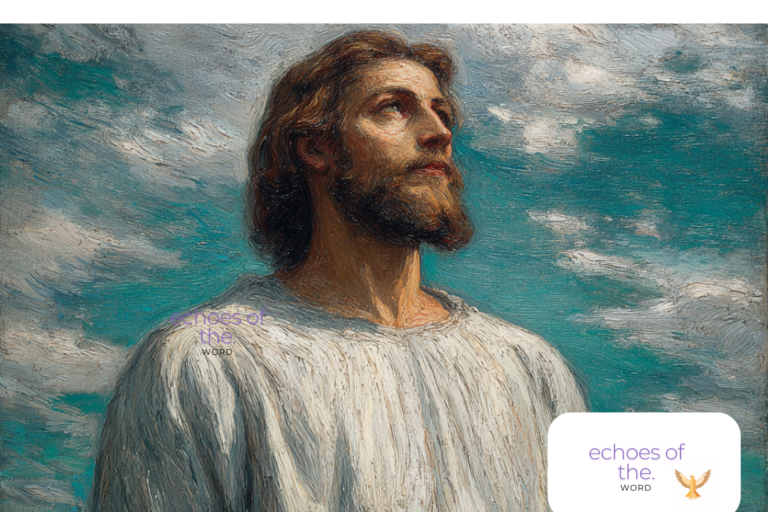
The halo often surrounding Christ’s head, along with divine light emanating from him, further emphasizes his divine nature and his victory. These artistic conventions are not mere embellishments; they serve to underscore the miraculous and supernatural aspect of the resurrection. The Risen Christ Cross uses a universal visual language to convey a message that resonates deeply with the spiritual aspirations of humanity. Even for those not deeply familiar with Christian doctrine, the imagery conveys a sense of power and triumph.
Artistic Depictions and Their Theological Implications
Throughout history, artists have explored various ways to depict the Risen Christ Cross, each offering a unique perspective on this central event. From early Christian mosaics to Renaissance masterpieces, the Risen Christ Cross has been a recurring theme, demonstrating its enduring significance in religious art. These artistic interpretations not only beautify sacred spaces but also serve as powerful teaching tools, helping to convey complex theological ideas to a wider audience.
For instance, some depictions of the Risen Christ Cross might show Christ holding a banner of victory, symbolizing his conquest over death and sin. Others might highlight the serenity and divine peace on his face, conveying the ultimate triumph and reconciliation. These variations, while differing in artistic style, all point back to the same core message: the resurrection of Jesus Christ and its implications for humanity. The Risen Christ Cross is a canvas for theological expression.
The Cross as a Symbol of Suffering and Victory Combined
Crucially, the Risen Christ Cross does not erase the suffering of the crucifixion but integrates it into the narrative of victory. The cross, a symbol of suffering and sacrifice, becomes the very instrument of Christ’s triumph. This juxtaposition is a powerful paradox that lies at the heart of Christian theology. It teaches that even in the midst of pain and hardship, there can be a pathway to ultimate redemption and a greater purpose. The Risen Christ Cross reminds us that suffering is not the final word.
This dual symbolism of the Risen Christ Cross is deeply relatable. It acknowledges the reality of human struggle and pain while offering a message of hope and the possibility of overcoming these challenges. It assures believers that their own struggles, when united with Christ’s sacrifice, can become part of a larger plan of redemption. The Risen Christ Cross is a reminder that religion often finds its deepest meaning in navigating suffering with faith.
The Risen Christ Cross in Everyday Religious Practice and Personal Devotion
The Risen Christ Cross is not confined to the grand pronouncements of theology or the walls of art galleries; it plays a vital role in the everyday religious practices and personal devotions of countless individuals. Whether worn as jewelry, displayed in homes, or incorporated into prayer, its presence serves as a constant, tangible reminder of faith. For many, it is a personal anchor in a world often filled with uncertainty.
The act of holding a crucifix, or simply gazing upon a Risen Christ Cross, can be a powerful moment of prayer and reflection. It provides a focal point for meditation, allowing believers to connect with Christ’s sacrifice and his subsequent victory. This personal engagement with the symbol strengthens their faith and nurtures their spiritual lives. The Risen Christ Cross is a deeply personal emblem for many.
Personal Devotion and the Symbol of the Risen Christ Cross
In the quiet moments of personal devotion, the Risen Christ Cross can be a source of strength and guidance. It serves as a visual prayer, a silent conversation between the believer and the divine. For someone facing a difficult decision, contemplating the Risen Christ Cross might offer clarity and courage. The message of overcoming adversity is a powerful inspiration for personal growth and ethical living.
Imagine a student studying for a challenging exam. The Risen Christ Cross on their desk could serve as a reminder to persevere, to draw strength from their faith, and to trust in their efforts. This simple act of placing the Risen Christ Cross in a personal space imbues it with a profound significance, transforming it from an object into a conduit for spiritual connection. Personal devotion is a cornerstone of faith.
The Risen Christ Cross in Public Worship and Sacred Spaces
Public worship and sacred spaces are often adorned with the Risen Christ Cross, amplifying its message to the entire congregation. Churches, chapels, and cathedrals prominently feature this symbol, creating an environment where the faithful can gather and collectively celebrate their beliefs. The shared experience of encountering the Risen Christ Cross in a communal setting can foster a sense of belonging and strengthen the collective faith of the community.
The visual prominence of the Risen Christ Cross in these spaces reinforces its central importance within Christianity. It serves as a constant reminder of the core tenets of the faith, guiding the liturgy, sermons, and prayers. The Risen Christ Cross is not just decoration; it is an integral part of the spiritual landscape of Christian worship. Sacred spaces are designed to inspire awe and reverence.
Challenges and Enduring Relevance of the Risen Christ Cross in a Modern World
In today’s increasingly secularized and diverse world, the Risen Christ Cross continues to hold profound relevance, though its interpretation and reception may vary. While some may view it solely as a historical artifact or a religious emblem, for billions, it remains a living symbol of hope, redemption, and the transformative power of faith. The enduring nature of this symbol speaks to its deep resonance with the human spirit.
The challenge for contemporary religion is to continue to communicate the profound meaning of symbols like the Risen Christ Cross in ways that are both authentic and accessible to new generations. This involves not only preserving tradition but also finding new avenues to explore and express the timeless truths that the Risen Christ Cross represents. Its journey through history is a testament to its adaptability and enduring power. Enduring relevance is key to faith’s longevity.
Navigating a Multifaith World with the Risen Christ Cross
In a multifaith world, the Risen Christ Cross stands as a clear identifier of Christian belief. While respecting and celebrating the diversity of faiths, Christians find in this symbol a unique and powerful expression of their own spiritual journey. Its meaning, deeply rooted in the resurrection, offers a distinct pathway of hope and transformation. Engaging with other faiths often involves understanding what each symbol represents.
The Risen Christ Cross can also serve as a point of dialogue and understanding. By sharing the meaning behind this symbol, Christians can offer insights into their faith, fostering mutual respect and learning within a diverse society. Navigating a multifaith world requires open communication and a willingness to share one’s own beliefs with clarity and grace.
The Future of the Risen Christ Cross as a Symbol of Faith
The Risen Christ Cross is not a static symbol; its meaning and impact continue to evolve with time. As humanity faces new challenges and grapples with evolving societal norms, the core message of hope, redemption, and transformation embodied by the Risen Christ Cross remains remarkably relevant. Its future lies in its continued ability to inspire, comfort, and guide individuals on their spiritual paths.
The enduring power of the Risen Christ Cross suggests that its significance will continue for generations to come. As long as there is a human yearning for meaning, for hope in the face of despair, and for the promise of new life, this powerful symbol will undoubtedly continue to resonate. Its journey is far from over, and its impact on religion and individual lives will continue to unfold.
Frequently Asked Questions About the Risen Christ Cross
What is the significance of the Risen Christ cross?
The Risen Christ cross symbolizes the resurrection of Jesus Christ, a central tenet of Christianity. It represents victory over death and the promise of eternal life for believers.
What does the Risen Christ cross look like?
Typically, a Risen Christ cross depicts Jesus Christ alive and triumphant after his crucifixion, often with wounds visible but in a posture of strength or peace, unlike a crucifix which shows him in his suffering. It may be an empty cross with symbols of resurrection like lilies or a dove, or it may feature Christ’s resurrected image.
Is the Risen Christ cross the same as a crucifix?
No, they are distinct. A crucifix specifically depicts Jesus on the cross in his state of suffering and death. The Risen Christ cross, conversely, emphasizes his resurrection and victory over death, showing him alive.
Where is the Risen Christ cross commonly used?
It is used in various religious contexts, including churches, homes of Christians, as personal jewelry, and in religious art and iconography. It serves as a reminder of the core Christian belief in the resurrection.
What does the empty Risen Christ cross represent?
An empty Risen Christ cross, often adorned with symbols of life and victory, signifies that Christ is no longer on the cross because he has risen. It emphasizes the absence of death and the presence of new life.
Does the Risen Christ cross have a specific theological meaning?
Yes, it profoundly represents the core theological message of Christianity: the resurrection of Jesus, which validates his divinity, atones for sins, and offers salvation and eternal life to all who believe.