The Enduring Power of Faith: Exploring the Healing Prayer Book and its Role in Religion
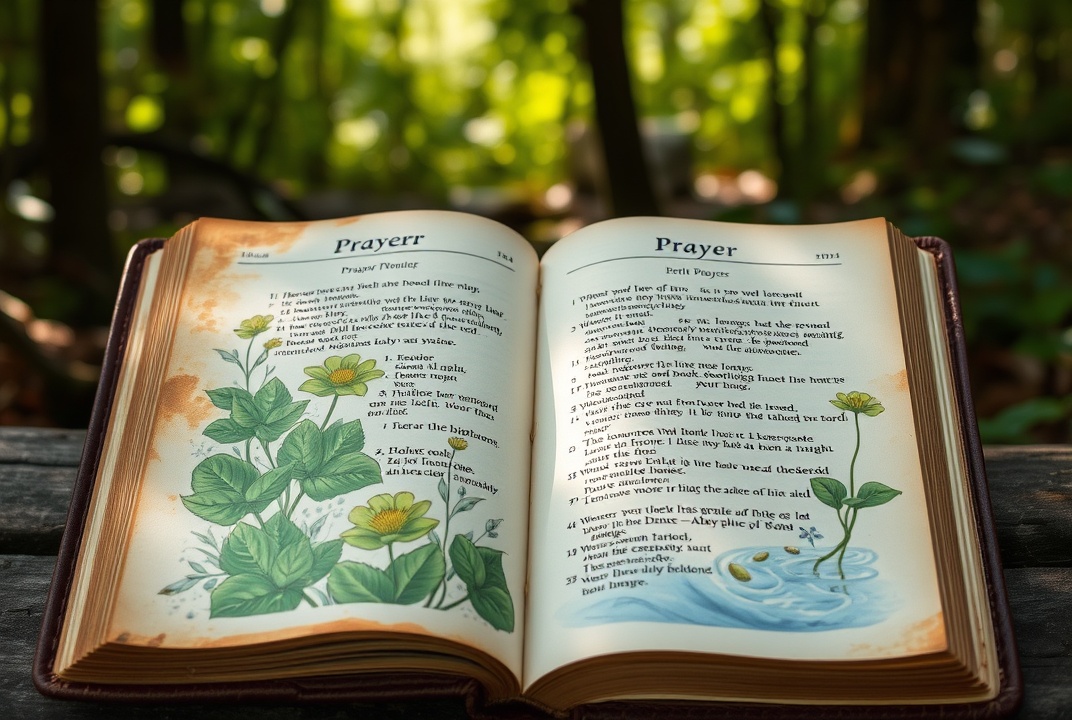
In the tapestry of human experience, threads of suffering and the yearning for solace are undeniably present. Across cultures and throughout history, humanity has sought comfort and restoration, a quest deeply intertwined with the spiritual and the divine. Central to this pursuit, for many, is the act of prayer, and for those seeking a structured path to spiritual healing, a healing prayer book often becomes a cherished companion. These collections, brimming with supplications and invocations, offer a tangible link to faith, providing guidance and hope when facing life’s most challenging moments.
The concept of a healing prayer book is not confined to a single denomination or tradition. While the specific prayers and their theological underpinnings may vary, the underlying purpose remains remarkably consistent: to tap into a higher power for physical, emotional, and spiritual well-being. For individuals grappling with illness, loss, or profound distress, these books offer more than just words; they represent a conduit for faith, a structured pathway to connect with the divine, and a source of unwavering belief in the possibility of recovery and peace. This article delves into the multifaceted role of the healing prayer book within the broader landscape of religion, exploring its significance, practical applications, and the enduring power of prayer in fostering healing.
Understanding the Foundation: Faith and the Therapeutic Power of Prayer
At its core, the efficacy of any healing prayer book rests upon the bedrock of faith. Faith, understood as a profound belief in something unseen, is a cornerstone of most religious traditions. It’s the unwavering conviction that there is a benevolent force at work in the universe, capable of intervening in human affairs and offering support and restoration. This belief acts as a powerful psychological buffer, enabling individuals to confront adversity with a sense of hope and resilience that might otherwise be absent. The very act of engaging with a healing prayer book is an exercise in cultivating and strengthening this faith.
The therapeutic power of prayer, often amplified by the structure and content of a healing prayer book, is a subject of increasing interest, even in secular circles. Studies have explored the physiological and psychological benefits of prayer, suggesting that it can lead to reduced stress hormones, improved mood, and a greater sense of well-being. For the believer, however, the benefits extend beyond mere psychological comfort. It’s About aligning one’s will with a divine plan, seeking guidance, and surrendering to a power greater than oneself. A well-crafted healing prayer book provides the precise language and intention needed to articulate these deepest desires and hopes to the divine.
The Anatomy of a Healing Prayer Book: More Than Just Words
A typical healing prayer book is a carefully curated collection designed to address a wide spectrum of human needs. It often begins with foundational prayers of supplication, asking for divine intervention in times of sickness or distress. These might be followed by prayers of thanksgiving, acknowledging past blessings and fostering gratitude, which itself is a powerful component of a positive mindset. Many also include prayers for specific ailments, such as those for recovery from illness, for the comfort of the grieving, or for strength in the face of chronic pain. The diversity within a healing prayer book reflects the multifaceted nature of healing itself.
Beyond specific petitions, a healing prayer book often incorporates prayers that focus on cultivating inner peace, forgiveness, and spiritual growth. These prayers recognize that true healing is not solely About the absence of physical symptoms but also About the restoration of the spirit. For instance, a prayer for forgiveness, found in many a healing prayer book, can release the burden of resentment, which can have a tangible impact on one’s emotional and even physical health. The inclusion of scripture verses or meditations further enriches the experience, providing scriptural grounding and deeper theological reflection. This holistic approach makes the healing prayer book a comprehensive tool for spiritual and emotional well-being.
Prayer in Practice: Integrating a Healing Prayer Book into Daily Life
The true power of a healing prayer book is unlocked through consistent and intentional practice. Simply owning the book is the first step, but actively engaging with its contents is where the transformation begins. This might involve setting aside dedicated time each day for prayer, perhaps in the morning to set intentions for the day or in the evening for reflection and gratitude. The simplicity of opening its pages and reading aloud or silently a prayer for healing can be profoundly grounding. For someone recovering from surgery, for example, reading a prayer for restoration each morning can provide a daily anchor of hope.
Integrating a healing prayer book into one’s life can take many forms. Some individuals find solace in reciting specific prayers daily, while others may turn to the book for a particular prayer when a specific need arises. It can be a source of comfort during moments of intense pain or anxiety, offering a structured way to articulate feelings and seek divine assistance. Furthermore, sharing prayers from a healing prayer book with loved ones can foster a sense of community and shared faith, creating a collective energy of support and intercession. The consistent application of these spiritual tools, guided by the wisdom within a healing prayer book, can lead to a profound sense of peace and a stronger connection to the divine.
Examples of Prayers and Their Impact: Stories from the Heart
Consider the story of Sarah, who was diagnosed with a serious illness. Overwhelmed and fearful, she found solace in a healing prayer book her grandmother had given her. She began reading a prayer for strength and courage each morning. Though the medical treatments were arduous, Sarah felt a profound sense of inner peace and resilience that she attributed to her daily prayers. She wasn’t just reciting words; she was actively engaging with her faith, seeking divine support, and finding the mental fortitude to persevere. The healing prayer book became her trusted ally in this challenging journey.
Another example is John, who was struggling with deep grief after the loss of his spouse. He found himself unable to find peace. He discovered a healing prayer book that contained prayers for comfort and release. By reading prayers that acknowledged his pain while simultaneously invoking divine solace and the hope of eternal peace, he slowly began to find a path through his sorrow. These prayers, facilitated by the healing prayer book, didn’t erase his pain, but they provided a framework for processing his emotions and a gentle hand to guide him towards healing. The power of these words, when spoken with sincerity and faith, can be truly transformative.
The Role of Religion in Cultivating Healing through Prayer
Religion, in its many forms, provides the overarching framework within which the concept of a healing prayer book thrives. It offers a theological understanding of suffering and healing, often positing that the divine has the power to intervene and restore. Religious communities also provide a supportive environment for individuals seeking healing. The shared practice of prayer, the comfort of communal worship, and the guidance of spiritual leaders all contribute to a holistic approach to well-being. A healing prayer book, in this context, becomes a tool that individuals can use to deepen their personal relationship with the divine and to participate more fully in the healing rituals of their faith tradition.
The narratives and teachings within religious traditions often underscore the importance of prayer as a means of connecting with the sacred and seeking divine favor. These stories, passed down through generations, serve as powerful testaments to the efficacy of faith and prayer in overcoming adversity. For a believer, a healing prayer book is not merely a collection of ancient texts; it is a living testament to the enduring power of faith, a guide for personal spiritual growth, and a tangible expression of hope in the face of life’s most profound challenges. It represents a deeply personal and universally understood pathway to seeking comfort, strength, and ultimately, healing.
Frequently Asked Questions About Healing Prayer Books
What is a healing prayer book?
A healing prayer book is a collection of prayers, meditations, affirmations, and spiritual guidance specifically designed to promote physical, emotional, and spiritual well-being. These books often draw from various religious or spiritual traditions and offer tools to connect with a higher power for comfort, strength, and restoration.
What religions use healing prayer books?
Healing prayer is a practice found across many religions and spiritual paths. While specific books might be aligned with a particular faith, the concept of seeking divine intervention for healing is present in Christianity, Judaism, Islam, Buddhism, Hinduism, Indigenous spiritualities, and New Age or interfaith traditions.
Can anyone use a healing prayer book, regardless of their religion?
Many healing prayer books are designed to be inclusive and accessible to people of all faiths or no faith. Some focus on universal spiritual principles rather than specific doctrines. However, if a book is explicitly tied to a particular religion, its effectiveness and resonance might be greater for adherents of that faith.
How do healing prayer books work?
Healing prayer books facilitate healing by guiding individuals in their prayer practices. They can help focus intentions, cultivate faith, reduce stress and anxiety, foster a sense of peace, and encourage a positive mindset, all of which can be conducive to the body’s natural healing abilities and spiritual growth.
What kind of prayers are typically found in a healing prayer book?
Common prayers include requests for physical recovery, emotional peace, mental clarity, spiritual strength, comfort during illness, and the well-being of loved ones. They might also include prayers of gratitude, forgiveness, and surrender.
Are healing prayer books a substitute for medical treatment?
No, healing prayer books are generally considered a complementary practice. They are not a substitute for professional medical advice, diagnosis, or treatment. Many people find that prayer and medical care work together effectively.