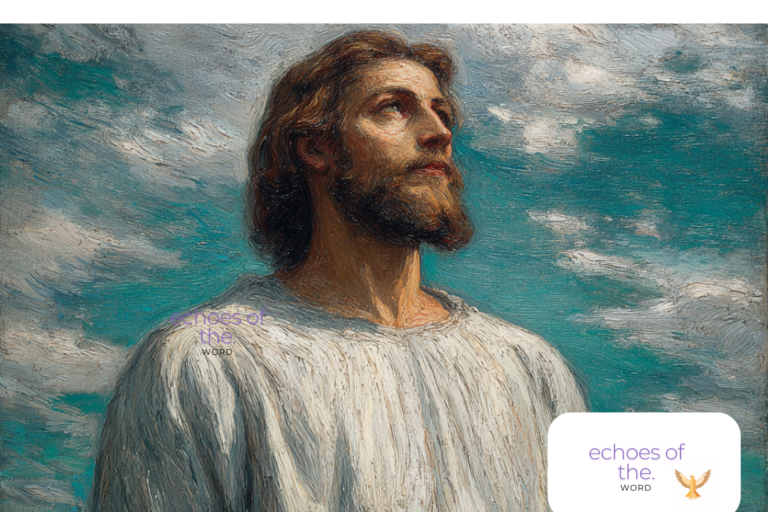
The human experience is inextricably linked with moments of profound pain and suffering. Whether it’s a physical ailment that weakens the body, an emotional wound that scars the soul, or a spiritual crisis that shakes our very foundation, we all encounter times when we feel broken and in need of solace. In these vulnerable moments, many turn to something greater than themselves, to a power that transcends our limitations. For countless individuals across diverse faiths and traditions, this ultimate source of comfort and restoration is found in the divine, encapsulated in the profound truth that God is our Healer. This understanding isn’t just a comforting platitude; it’s a deeply ingrained belief that shapes how we navigate the valleys of despair and seek the peaks of recovery.
The concept of a divine healer is not confined to a single religious doctrine; rather, it’s a universal thread woven through the tapestry of human spirituality. From ancient civilizations invoking deities for mending to modern prayers whispered in hushed tones, the yearning for healing, both physical and spiritual, has been a constant. This article will explore the multifaceted ways in which the name of God, our Healer, offers hope, strength, and a pathway to wholeness. We will delve into how this belief impacts our mental, emotional, and spiritual well-being, offering practical insights and relatable narratives for anyone seeking to understand or deepen their connection with this restorative power.
Understanding the Divine Name: More Than Just a Title
The very “name” of God, in its symbolic and spiritual representation, carries immense weight. It’s not merely a label but a reflection of divine attributes, a conduit to the essence of the Almighty. When we speak of God as our Healer, we are acknowledging a fundamental aspect of the divine character – one of compassion, restoration, and ultimate restoration. This name implies a proactive, benevolent force that is not indifferent to our suffering but actively involved in our well-being.
The Old Testament, for instance, presents Yahweh as Jehovah Rapha, which directly translates to “The Lord Who Heals.” This profound declaration signifies that healing is not an accidental occurrence but an inherent attribute of God. Consider the story of the Israelites in the wilderness, where bitter waters were made sweet by Moses throwing a log into them, revealing God’s power to transform and redeem even the most challenging circumstances. This narrative is a powerful testament to God our Healer, demonstrating His ability to turn poison into purity, despair into hope.
The Nature of Divine Healing: Physical, Emotional, and Spiritual Restoration
The healing power attributed to God our Healer extends far beyond the realm of physical restoration. While many find solace and miraculous recovery from bodily ailments through faith, the divine touch also reaches into the deepest recesses of our emotional and spiritual beings. Emotional wounds, such as those inflicted by betrayal, loss, or trauma, can leave us feeling shattered and incapable of moving forward. It is here that the healing balm of God’s presence can begin its restorative work, offering forgiveness, peace, and the strength to rebuild.
Imagine a person grappling with the lingering pain of a broken relationship, feeling adrift and unworthy. Through prayer and introspection, focusing on the truth of God our Healer, they might begin to experience a release from anger and resentment. This isn’t always an instantaneous cure, but a gradual process of mending, where divine love starts to fill the void left by hurt. Similarly, spiritual healing involves reconnecting with our purpose, finding meaning in adversity, and experiencing a renewed sense of faith and hope, all facilitated by the one who is fundamentally our Healer.
How Faith in God as Healer Empowers Us
Believing that God is our Healer is not a passive act of waiting for intervention; it is an active stance that empowers us in profound ways. This faith instills a sense of hope, a vital antidote to despair. When faced with illness or hardship, the knowledge that a divine power is working for our restoration can provide the resilience needed to persevere. It shifts our focus from the overwhelming nature of the problem to the boundless capacity of the divine to bring About solutions.
Moreover, this belief fosters a sense of peace that transcends human understanding. Even in the midst of turmoil, a connection with God our Healer can bring an inner calm, a quiet assurance that we are not alone. This peace allows us to make clearer decisions, to care for ourselves and others with greater wisdom, and to approach our healing journey with a more positive and constructive outlook. It’s like having an anchor in a stormy sea, providing stability and a sense of safety.
Practical Applications: Embracing the Healing Power
Integrating the belief in God our Healer into our daily lives involves more than just reciting affirmations. It requires active engagement through practices that nurture our connection with the divine. Prayer is a cornerstone of this connection, a direct line of communication where we can present our needs, express our gratitude, and seek guidance. Regular prayer can fortify our faith and open our hearts to receive the healing God offers.
Another crucial aspect is meditation, particularly focusing on the attributes of God as a healer. This can involve contemplating scriptures that speak of divine restoration, visualizing healing light surrounding ourselves or loved ones, or simply finding moments of quiet reflection to be present with the divine. These practices help to quiet the noise of anxiety and doubt, allowing the gentle, healing presence of God to permeate our being. Furthermore, acts of kindness and service can also be profoundly healing, both for the giver and receiver, mirroring the selfless nature of God our Healer.
The Role of Community in Divine Healing
While the personal connection with God our Healer is paramount, the role of community in the healing process cannot be overstated. Many religious traditions emphasize the importance of shared worship, fellowship, and mutual support. When we gather with others who share our faith, we create a powerful collective energy that amplifies our prayers and reinforces our belief. This shared experience provides comfort, encouragement, and a tangible reminder that we are part of something larger than ourselves.
Think of a support group for individuals facing similar health challenges. Within these groups, members offer each other practical advice, emotional encouragement, and a shared understanding of their struggles. When this is combined with a collective faith in God our Healer, the impact is magnified. The prayers of many can indeed be a potent force, lifting burdens and fostering an environment where divine healing can more readily manifest. This communal aspect reminds us that our healing journey is often a shared one, supported by both the divine and our fellow human beings.
A Lifelong Journey of Restoration
The journey of healing, both physical and spiritual, is often a lifelong process, marked by progress and occasional setbacks. However, the unwavering truth that God is our Healer provides a constant source of hope and strength. This understanding empowers us to face challenges with courage, to find peace amidst suffering, and to believe in the possibility of restoration, no matter the circumstances.
By actively engaging with our faith, through prayer, meditation, community, and acts of love, we can open ourselves to the boundless healing power of God. The name of God, our Healer, is an invitation to trust, a promise of restoration, and a testament to the enduring love and compassion that guides us toward wholeness. May this understanding bring you comfort, strength, and profound peace on your own journey of healing.
Frequently Asked Questions About God Our Healer and Religion
Who is God our Healer?
“God our Healer” is a concept that emphasizes God’s power and role in restoring health, well-being, and wholeness. This understanding is found in various religious traditions, where God is seen as the ultimate source of healing, both physical and spiritual.
What does religion have to say About God our Healer?
Many religions teach that God is a healer. In Judaism, the Hebrew name for God, Yahweh Rophe, means “The Lord who heals.” In Christianity, the Bible frequently depicts Jesus performing miraculous healings and is referred to as the Great Physician. Islam also holds that Allah is the Healer (Ash-Shafi) and that healing comes from Him. Hinduism recognizes divine healing powers in various deities, and Buddhism emphasizes the healing power of the mind and inner peace through spiritual practices.
How is God our Healer understood in different religions?
The understanding of God our Healer varies in specifics but often shares common themes. It generally involves faith in divine intervention, prayer, spiritual practices, and the belief that God can bring About physical, emotional, and spiritual restoration. The path to experiencing this healing may involve adherence to religious laws, acts of compassion, meditation, or seeking guidance from spiritual leaders.
Can God our Healer address all forms of suffering?
Many religious perspectives believe that God our Healer can address all forms of suffering, not just physical ailments. This includes emotional pain, spiritual distress, and the healing of broken relationships. While earthly remedies are often seen as part of God’s provision, ultimate healing is understood to come from a divine source.
What is the role of faith in God our Healer?
Faith is often considered a crucial element in seeking and receiving healing from God. Believers are encouraged to trust in God’s power, love, and timing. This faith can manifest through prayer, worship, and living according to religious principles, all of which are seen as ways to connect with the divine healing presence.