Why Does God Allow Sickness? Navigating Faith and Suffering
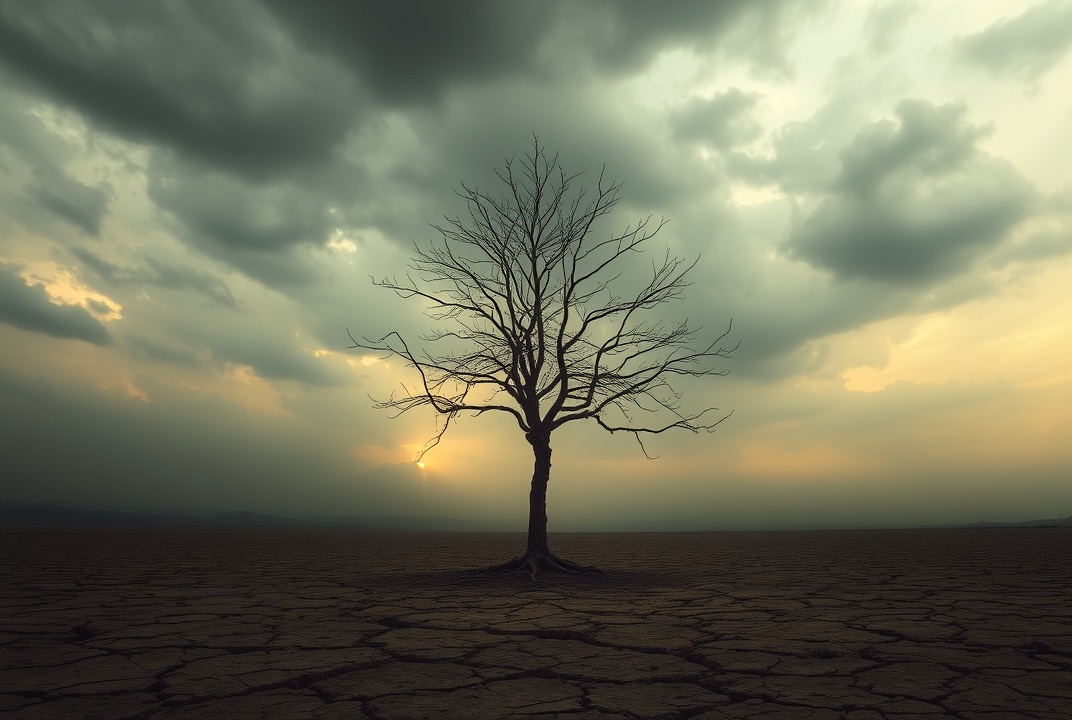
The question, “Why does God allow sickness?” echoes through the ages, a persistent whisper in the face of pain, loss, and human vulnerability. It’s a question that can gnaw at the deepest parts of our being, challenging our understanding of a loving and all-powerful deity when confronted with the stark reality of illness. This article delves into the complex theological and philosophical considerations surrounding suffering, offering insights and relatable perspectives to help navigate these profound inquiries within the context of religion.
Religion, in its myriad forms, grapples with the problem of evil and suffering. Across diverse faiths, believers wrestle with how to reconcile the existence of a benevolent God with the prevalence of pain, disease, and decay in the world. It’s a journey of faith that often requires more than simple answers; it demands deep reflection, personal wrestling, and a willingness to embrace the mysteries that lie beyond our immediate comprehension.
One of the primary theological frameworks for understanding why God allows sickness centers on the concept of divine freedom and the gift of free will. If God were to intervene constantly, meticulously preventing every instance of illness, would we truly be free? Theologians often argue that a God who created a universe with natural laws, including those that govern biological processes, has chosen to allow these laws to operate, even when they lead to sickness.
Imagine a parent who loves their child dearly. They might teach their child About the dangers of touching a hot stove, but they don’t hover over them every second, physically preventing every potential burn. Similarly, the religious perspective suggests that God has endowed humanity with the capacity for both good and ill, as well as a world that operates according to established principles. This allows for genuine love and moral choice, but it also opens the door to the natural consequences of those choices and the inherent vulnerabilities of a physical existence. The choice to allow freedom, even with its risks, is seen by many as a testament to God’s profound respect for humanity. Why does God allow sickness? Perhaps it is an unintended consequence of a world designed for genuine love and personal growth.
Sickness, from a scientific standpoint, is often the result of complex biological processes, genetic predispositions, environmental factors, and the inevitable wear and tear on our physical bodies. Within religious frameworks, these natural laws are often understood as having been established by God. Therefore, illness can be seen as a natural outcome of living in a material world governed by these laws, rather than a direct punishment or act of divine negligence.
Consider a simple example: a beautiful garden. The gardener cultivates the soil, plants seeds, and provides water and sunlight. However, despite their best efforts, pests can still appear, or a sudden frost might affect the plants. The gardener doesn’t want the plants to suffer, but the natural environment presents challenges. In a similar vein, the intricate functioning of the human body, while a marvel of creation, is also susceptible to malfunction and disease. The question of why God allows sickness becomes entwined with the understanding that our physical existence is inherently fragile, a reality that even divine intervention might not entirely eliminate without compromising other fundamental aspects of creation, such as the autonomy of natural processes or the very nature of our embodied existence.
Suffering as a Catalyst for Spiritual Growth
Many religious traditions offer the perspective that periods of sickness and suffering, while undeniably painful, can serve as powerful catalysts for spiritual growth, character development, and a deeper reliance on faith. When we are healthy and strong, we may not feel the urgent need to turn to God or to re-evaluate our priorities. However, illness can strip away our illusions of self-sufficiency and force us to confront our limitations.
Think About a time when you faced a significant challenge. Did that challenge, in retrospect, lead to a greater understanding of yourself, your strengths, or your values? Many find that suffering can refine their faith, leading to a more profound and resilient spiritual life. It’s during these difficult times that individuals might discover unforeseen reserves of inner strength, develop greater empathy for others who are suffering, and cultivate a deeper appreciation for the blessings they once took for granted. The question of why God allows sickness can, in this light, be reframed to consider the potential for transformation and spiritual maturation. The pain may not be wished for, but its aftermath can be a crucible for forging a stronger, more compassionate soul.
Ultimately, a definitive and universally accepted answer to “Why does God allow sickness?” often remains elusive. Religious teachings frequently acknowledge the limits of human understanding when it comes to divine purposes. We are finite beings trying to comprehend the infinite. What may appear as senseless suffering from our limited perspective might, within God’s grander design, serve purposes we cannot yet grasp.
This doesn’t mean that suffering is easy or that we should simply resign ourselves to it. Instead, it encourages a humble acceptance of mystery. It’s like looking at a complex tapestry; from a distance, you see the overall pattern. Up close, you see individual threads, some of which might seem out of place or even ugly. Yet, within the larger design, each thread contributes to the beauty and meaning of the whole. The religious journey, therefore, often involves holding onto faith and hope even in the midst of uncertainty, trusting that there is a divine wisdom that transcends our immediate comprehension. This trust is not a passive surrender but an active engagement with faith, seeking comfort, strength, and meaning in the face of life’s inevitable trials.
Finding Meaning and Comfort in Faith
While the question of why God allows sickness is profound and often unanswerable in human terms, religion offers vital resources for navigating these difficult realities. The comfort of prayer, the community of fellow believers, and the promise of ultimate redemption can provide solace and strength when faced with illness.
Many find that engaging with scripture, participating in religious rituals, and connecting with spiritual leaders can offer a sense of direction and hope. The understanding that one is not alone in their suffering, but rather supported by a loving God and a compassionate faith community, can be incredibly healing. For believers, sickness becomes not just a biological event, but also a spiritual journey, one in which faith is tested, deepened, and ultimately affirmed. This doesn’t negate the pain, but it offers a framework for enduring it with grace and finding a deeper purpose within the struggle.
The Promise of Healing and Restoration
Across many religious traditions, there is a powerful theme of healing and restoration, both in this life and in the next. While not every illness is cured in the earthly realm, the spiritual promise of a future free from suffering offers a profound source of hope. This belief can empower individuals to face illness with courage and to trust in a divine plan that ultimately seeks their well-being.
This promise is not always About a miraculous, instantaneous cure. It can also be About the grace to endure, the strength to find peace amidst pain, and the assurance of an eternal state where suffering has no dominion. The question of why God allows sickness is met, in part, by the unwavering faith that God is ultimately a God of love, healing, and ultimate triumph over all forms of suffering, including disease. This hope for a future redemption provides a powerful anchor for those grappling with the realities of illness today, reminding them that their present struggles are not the final word.
Frequently Asked Questions: God and Sickness
Why does God allow sickness?
Theological perspectives on why God allows sickness vary widely across religions and denominations. Some beliefs suggest sickness is a natural consequence of living in a fallen world, where imperfections and suffering exist due to humanity’s actions or the presence of evil. Other interpretations view sickness as a test of faith, a means of spiritual growth, or a way to draw people closer to God. For some, it is understood as part of a divine plan that is beyond human comprehension, with ultimate healing or peace found in the afterlife.
What is the role of religion in dealing with sickness?
Religion often provides a framework for understanding, coping with, and responding to sickness. Many faiths offer comfort, hope, and a sense of community to those who are ill and their families. Religious practices like prayer, meditation, scripture reading, and communal worship can be sources of strength and solace. Some religions also emphasize the importance of divine intervention through healing rituals or miracles, while others focus on the spiritual and emotional aspects of care, encouraging compassion, acceptance, and finding meaning in suffering. Additionally, religious organizations frequently play a role in providing charitable care and support services to the sick.