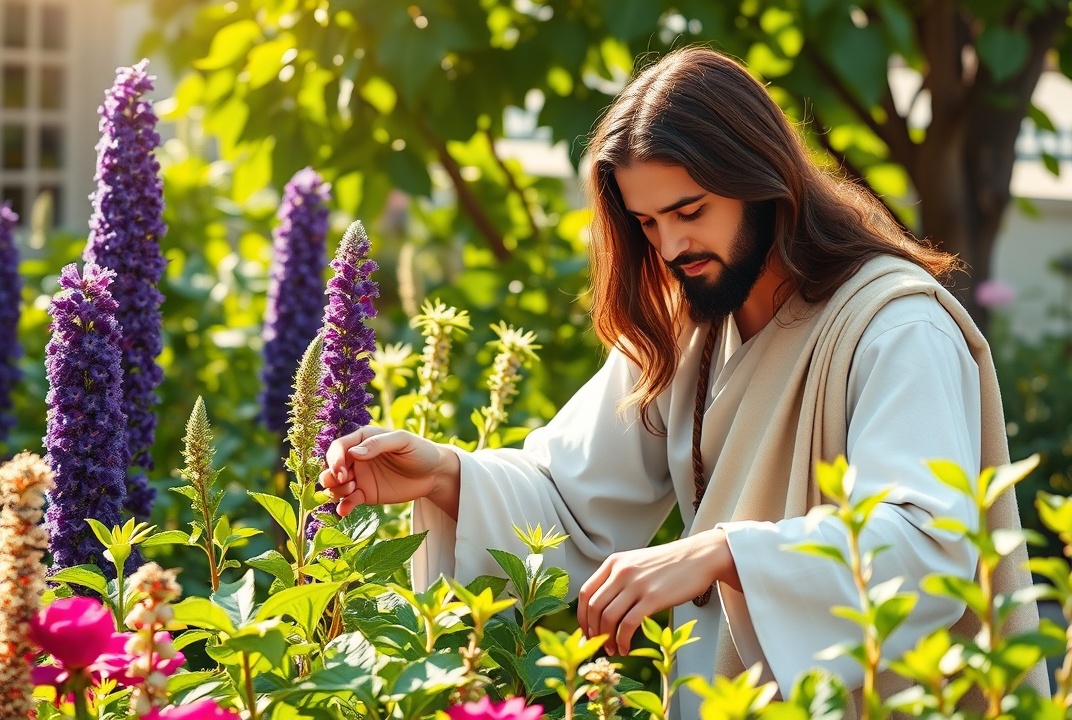
The Divine Embrace: Understanding God’s Unfailing Compassion
In the tapestry of human experience, threads of joy and sorrow, triumph and tribulation, are interwoven. Through it all, an enduring and often overlooked truth shines brightly: the unfailing compassion of God. This isn’t a distant, clinical observation, but a deeply personal and profoundly relatable concept that underpins many of the world’s major religions. It’s the whisper of hope in our darkest hours, the gentle hand that steadies us when we stumble, and the quiet assurance that we are never truly alone. Understanding this divine attribute can revolutionize how we perceive ourselves, our struggles, and our relationship with the sacred.
The essence of compassion from God is not merely a feeling; it’s an active, loving engagement with creation, particularly with humanity in its vulnerability. It’s a profound empathy that understands our imperfections, our mistakes, and our deepest pains, not with judgment, but with a desire to heal and restore. This divine characteristic is a cornerstone of faith, offering solace and a powerful motivation for living a life of kindness and understanding towards our fellow beings.
The Nature of Divine Mercy: Beyond Human Comprehension
Often, when we speak of compassion, we think of our own human capacity for empathy. We feel for a friend in pain, we offer comfort to a stranger in need. But the compassion of God transcends these earthly limitations. It’s a boundless, inexhaustible wellspring, not diminished by our failures or our distance. Imagine a mother’s love for her child – a love that persists even through the child’s tantrums and mistakes. The divine mercy operates on a similar, yet infinitely grander, scale. It’s a love that sees our potential, even when we can’t see it ourselves, and is always reaching out to guide us back to a path of wholeness.
This divine compassion isn’t a reward for perfection; it’s a gift freely offered to all. It’s present in the quiet moments of reflection, in the unexpected acts of kindness from others, and in the very rhythm of life that continues to offer new beginnings. Religious texts across traditions illuminate this attribute, describing it as steadfast, merciful, and ever-present. It’s the understanding that even when we feel lost, God’s loving gaze is upon us, yearning for our return and ready to embrace us with unconditional love.
The world’s major religions offer a rich tapestry of narratives and teachings that illustrate God’s compassion in action. In Christianity, the life and teachings of Jesus are a paramount example. His willingness to associate with the marginalized, to heal the sick, and to forgive those who wronged him are all expressions of divine mercy. His parable of the Prodigal Son, for instance, vividly portrays a father’s overjoyed reception of a wayward son who returns, showcasing a forgiveness that knows no bounds and a love that never wavers.
In Islam, the concept of “Ar-Rahman” (The Most Gracious) and “Ar-Rahim” (The Most Merciful) are central to the understanding of Allah. The Quran is replete with verses that emphasize God’s benevolence and forgiveness. A believer turning to God in sincere repentance is met with open arms and a promise of pardon. This profound sense of divine care extends to all of creation, encouraging Muslims to cultivate similar qualities of empathy and kindness in their own lives. Similarly, in Judaism, the concept of “Rachamim” (mercy, compassion) is a fundamental aspect of God’s character, evident in the Exodus narrative where God hears the cries of enslaved Israelites and intervenes. This divine intervention is born out of deep empathy for their suffering, demonstrating a God who is intimately involved in the struggles of His people.
Experiencing God’s Compassion in Daily Life
The teachings of compassion from God are not confined to ancient scriptures or grand theological pronouncements; they are meant to be lived and experienced in the ordinary moments of our existence. When you face a setback, whether it’s a professional disappointment or a personal loss, and you find the strength to pick yourself up and try again, that resilience is often fueled by an inner knowing, a subtle whisper of divine encouragement. This is a manifestation of God’s steadfast support, reminding you that you are capable of overcoming.
Consider also the unexpected acts of kindness you encounter – a stranger’s smile, a friend’s timely offer of help, or even the simple beauty of nature that can lift your spirits. Many faith traditions interpret these moments as tangible expressions of God’s presence and care. They are gentle nudges, divine reassurances that you are seen, loved, and supported. By consciously acknowledging these instances, we can deepen our connection to this ever-present divine compassion, transforming our perspective from one of isolation to one of divine embrace.
Living a Life of Compassion, Reflecting the Divine
The ultimate aim of understanding God’s compassion is not just to receive it, but to reflect it. Religious traditions universally call their adherents to emulate this divine attribute. This means cultivating empathy for others, practicing forgiveness, and extending kindness even when it’s difficult. It’s About recognizing the divine spark within every individual, regardless of their background or their actions. When we choose to offer a listening ear to someone in pain, to help a neighbor in need, or to speak out against injustice, we are actively participating in the flow of divine mercy.
This outward expression of compassion is transformative, not only for those who receive it but also for the giver. It aligns our hearts with the loving nature of God, bringing a sense of purpose and fulfillment. By actively seeking opportunities to be instruments of divine compassion in the world, we can strengthen our faith, deepen our connections with others, and contribute to a more loving and just world. It is in these acts of selfless love that the true power of God’s boundless compassion is most profoundly revealed.
Frequently Asked Questions About Compassion from God
What is God’s compassion?
God’s compassion refers to God’s deep empathy, kindness, and merciful love for all creation. It’s the active desire to alleviate suffering and offer solace.
Does God’s compassion vary for different people or religions?
Religious traditions generally teach that God’s compassion is universal and extends to all beings, regardless of their background or beliefs. While interpretations of God’s nature and how that compassion is expressed may differ, the core concept of divine mercy is a common thread.
How can I experience God’s compassion?
Many religions suggest that experiencing God’s compassion involves seeking it through prayer, devotion, acts of kindness, and by living according to spiritual principles. It’s often described as a relationship that can be nurtured.
Is God’s compassion conditional?
Different theological perspectives exist on this. Some traditions emphasize unconditional love and mercy, while others may suggest that certain actions or beliefs can affect one’s openness to receiving divine compassion.
How does God’s compassion relate to suffering in the world?
This is a profound theological question. Many believe God’s compassion is present even amidst suffering, offering strength, comfort, and the potential for redemption or overcoming hardship. The existence of suffering and divine compassion is a subject of ongoing contemplation within religious thought.