The Divine Physician: Unveiling the Names of God the Healer**
In the tapestry of human experience, the thread of suffering is undeniable. From the sting of a physical ailment to the ache of emotional wounds, we all encounter moments where we cry out for solace, for mending, for a touch of the divine. Across millennia and cultures, humanity has sought to articulate the ultimate source of this healing power, bestowing upon it a multitude of sacred titles. Among the most profoundly resonant is the concept of God the Healer, a divine entity embodying restoration, renewal, and the profound capacity to mend what is broken. This article delves into the myriad names and understandings of God the Healer within various religious traditions, exploring how these appellations offer comfort, purpose, and a pathway to wholeness.
The very act of naming is an act of understanding, an attempt to grasp the ineffable. When we speak of God the Healer, we are not merely offering a label, but a profound acknowledgment of a force that transcends our immediate comprehension, a force that actively intervenes in our lives to bring About recovery. Whether it’s the whispered prayer in a moment of crisis or the communal song of thanksgiving after a miraculous recovery, the invocation of God the Healer speaks to an innate human yearning for well-being and the belief in a benevolent power that orchestrates our restoration.
Ancient Whispers: Names of Divine Healing in Early Traditions
The concept of a divine being dedicated to healing is woven into the very fabric of early human spiritual practices. Long before organized religions as we know them, ancient cultures recognized a celestial force responsible for alleviating pain and restoring vitality. These early conceptions often saw God the Healer as intertwined with the natural world, with celestial bodies, and with the very essence of life’s regenerative cycles. For instance, many ancient civilizations revered sun deities, associating their life-giving rays with the power to overcome darkness and illness. This connection highlights a fundamental understanding that healing is not just About fixing what’s broken, but About the restoration of vital energy and balance, a core attribute often associated with God the Healer.
Across these nascent spiritual landscapes, we find echoes of this divine mending. The Egyptians, for example, had deities like Sekhmet, a fierce lioness goddess who could also bring plagues but was equally invoked for her healing powers, embodying the duality of destruction and restoration. Similarly, the Mesopotamians believed in gods like Ea (or Enki), who possessed immense knowledge and was often called upon to cure illnesses. These ancient invocations reveal a persistent human intuition that a power greater than ourselves possesses the ultimate capacity for healing, a power that could be appeased, petitioned, and ultimately, trusted as God the Healer.
The Luminous Presence: Names of God the Healer in Abrahamic Religions
In the monotheistic traditions of Judaism, Christianity, and Islam, the concept of God the Healer is expressed through a rich tapestry of divine attributes and specific names that emphasize His restorative power. These religions, while distinct in their narratives, share a profound understanding of God as the ultimate source of all healing, both physical and spiritual. The Hebrew Bible, for instance, frequently refers to God as Yahweh Rapha (or Jehovah Rapha), meaning “The Lord Who Heals.” This name is not merely descriptive; it’s an active declaration of God’s role in delivering His people from sickness and suffering, a promise of deliverance that resonates through their history.
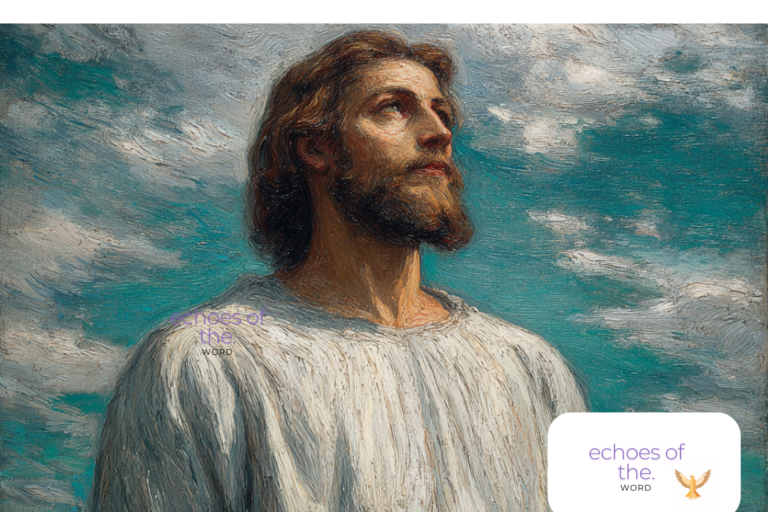
Within Christianity, the figure of Jesus Christ is inseparable from the concept of God the Healer. His earthly ministry was characterized by numerous miracles of healing – restoring sight to the blind, enabling the lame to walk, and casting out demons. These acts were not just displays of power but were seen as tangible manifestations of God’s compassionate love and His desire for human wholeness. The New Testament frequently refers to God as the “Father of Mercies” and the “God of all comfort,” underscoring His gentle and restorative nature. In Islam, Allah is referred to by numerous beautiful names, or Asma ul Husna, two of which are directly related to healing: Al-Shafi (The Healer) and Al-Mu’afi (The Granter of Wellness). These names reflect the belief that true healing comes only from Allah, and that prayer to Him is the highest form of seeking relief.
The Universal Embrace: Names of God the Healer in Eastern Traditions
Eastern spiritual traditions also offer profound insights into the nature of God the Healer, often through concepts that emphasize balance, interconnectedness, and the inherent luminosity of the divine. In Hinduism, while there isn’t a single, overarching name for “God the Healer” in the same way as in some Western traditions, the divine manifests in various forms that embody healing energies. For example, Dhanvantari is considered the Hindu god of Ayurveda, the ancient Indian system of medicine, and is invoked for health and longevity. Furthermore, the Supreme Being, Brahman, is understood as the ultimate source of all existence, including the processes of regeneration and restoration, making Brahman the ultimate God the Healer.
Buddhism, while not centered on a creator God in the Western sense, emphasizes the path to liberation from suffering through the understanding and overcoming of its causes. The Buddha himself is often seen as a healer, guiding individuals towards enlightenment and peace. The concept of compassion (Karuna) is central; through cultivating this divine-like quality, individuals can alleviate their own suffering and that of others. In this context, the awakened mind, capable of profound empathy and wisdom, can be seen as a manifestation of the healing principle, a pathway to becoming an instrument of divine mending.
Personal Journeys: Finding Solace in the Name of God the Healer
In our personal lives, the understanding of God the Healer offers a profound source of solace and hope. When faced with illness, loss, or despair, the ability to turn to a divine entity who is understood as actively engaged in our well-being can be transformative. It shifts our perspective from one of helplessness to one of trust and surrender, knowing that even in our darkest hours, there is a benevolent force working towards our restoration. This belief can empower us to engage more actively in our own healing journeys, whether through medical treatments, self-care practices, or seeking emotional support, knowing that we are not alone in our struggle.
The practical application of this faith often involves prayer, meditation, and acts of service. By consciously invoking the names and attributes of God the Healer, we open ourselves to His grace. For many, this means engaging in affirmations like “God is my Healer” or reciting passages from sacred texts that speak of divine restoration. It can also involve participating in community rituals of prayer for the sick or offering support to those who are suffering. Ultimately, the journey of healing is often a testament to the enduring power of faith in God the Healer, a testament to the profound human capacity for resilience, amplified by the belief in a divine source of ultimate wholeness.
Frequently Asked Questions: Name for God the Healer
What are some names for God as the Healer across different religions?
Across various religious traditions, God is referred to by names that emphasize healing, restoration, and well-being. In Judaism, the name “Adonai Rofeh” (Lord our healer) is used. In Christianity, Jesus is seen as the ultimate healer, and God the Father is also acknowledged as the source of healing. Islam reveres Allah as “Ash-Shafi” (The Healer). In Hinduism, deities like Dhanvantari are invoked for healing.
Are there specific prayers or verses associated with God the Healer?
Yes, many religions have specific prayers, psalms, or verses dedicated to seeking divine healing. For example, Psalm 103:3 in the Bible states, “He forgives all your sins and heals all your diseases.” In Islam, Surah Al-Fatiha is considered a powerful chapter for seeking healing from Allah. The concept of “mantras” in Hinduism often includes those for health and well-being.
How is the concept of God the Healer understood in different faiths?
The understanding of God the Healer varies in emphasis. In some traditions, healing is seen as a direct divine intervention. In others, it’s understood as God working through natural means, medical professionals, or the strength within a person. The ultimate source of healing power is consistently attributed to the divine.
Can I pray to God for healing even if I don’t belong to a specific religion?
Many believe that the divine is accessible to all who seek it, regardless of formal religious affiliation. The act of sincere prayer or calling upon a higher power for healing is often seen as a universal spiritual practice.