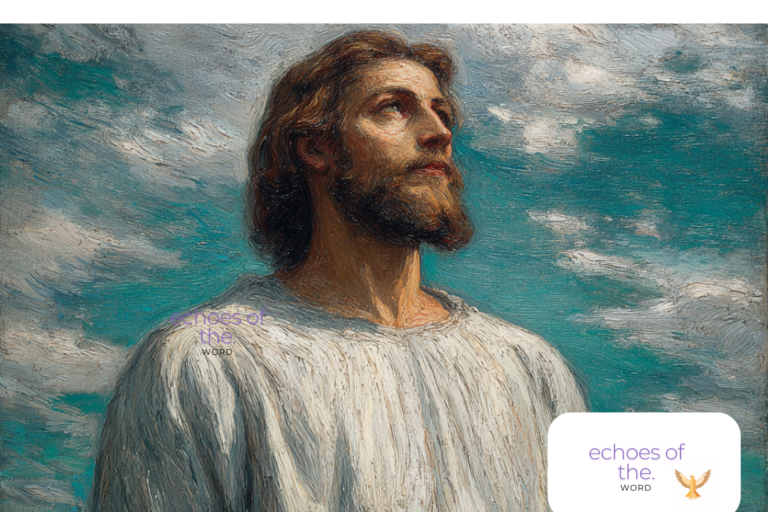
How Does God See Me? Exploring the Divine Perspective in Religion
In the quiet hours of the night, or amidst the bustling chaos of daily life, a profound question often surfaces in the human heart: how does God see me? This is not a question born of mere curiosity, but a deep-seated yearning for understanding, for acceptance, and for a sense of purpose. Across the vast tapestry of religious belief, this inquiry forms a cornerstone, shaping our understanding of ourselves, our relationship with the divine, and our place in the grand cosmic narrative. It’s a quest to reconcile our perceived flaws and triumphs with an ultimate, unwavering gaze.
Religion, in its myriad forms, offers diverse and often beautiful perspectives on this central question. While the specifics may vary, the underlying themes of divine love, judgment, grace, and the potential for transformation resonate deeply. Understanding how God sees us is not just About theological doctrine; it’s About finding solace, inspiration, and a compass for living a meaningful life. Let us embark on an exploration of this fundamental question, delving into the rich traditions and insights that illuminate the divine perspective.
One of the most consistently presented aspects of how God sees us, particularly within Abrahamic religions like Christianity and Islam, is through the lens of unconditional love. This isn’t the fleeting, conditional affection that humans often experience, but a profound, steadfast love that predates our existence and endures through all circumstances. Think of a parent’s love for their child, a love that sees past missteps and celebrates every flicker of potential. Religious texts often describe this divine love as a powerful, emanating force, a constant presence that embraces every soul.
This divine love is often the bedrock upon which other theological concepts are built. It suggests that God’s initial perception of us is not one of judgment or condemnation, but of inherent worth and belovedness. Even when we falter, when we stray from what is considered righteous, this core of divine acceptance remains. This perspective can be incredibly liberating, freeing individuals from the burden of constantly striving for an unattainable perfection. Instead, it encourages a focus on growth, on learning, and on responding to this love with our own imperfect, yet sincere, efforts.
Embracing Imperfection: God’s View of Our Humanity
A crucial part of understanding how God sees me involves confronting our own imperfections. Religions generally acknowledge the human capacity for error, for selfishness, and for breaking divine laws. However, the interpretation of this falls within different frameworks. In many traditions, these imperfections are not seen as disqualifiers from divine regard, but rather as inherent aspects of the human condition, opportunities for learning and spiritual development. For instance, a potter doesn’t discard a slightly flawed pot; they might see its unique character or work to refine it further.
This acceptance of our flaws is not an endorsement of sin, but a recognition that our journey is one of progress, not immediate perfection. God sees our struggles, our temptations, and our moments of weakness, not with judgment, but with a deep understanding and a desire for our restoration. This perspective encourages humility and a reliance on divine grace, rather than self-righteousness. It highlights the importance of repentance and the ongoing process of striving to align our will with the divine will, knowing that we are seen and supported throughout this journey.
The Lens of Divine Justice and Accountability
While divine love is a prominent theme, religion also emphasizes the concept of divine justice. This aspect addresses how God sees our actions and their consequences. It’s the understanding that our choices have weight and that there is a moral order to the universe. This isn’t About arbitrary punishment, but About the natural unfolding of cause and effect, guided by a divine principle of righteousness. Imagine a gardener who understands that planting good seeds will yield good fruits, while planting weeds will result in a less desirable harvest.
Understanding this aspect of how God sees me encourages a sense of responsibility for our deeds. It calls us to live ethically, to treat others with compassion, and to uphold principles of fairness. This does not negate divine mercy; rather, it often exists in tandem with it. Many religious traditions speak of a balance between justice and mercy, where individuals are held accountable for their actions, but also have avenues for seeking forgiveness and redemption. This duality provides a framework for both personal growth and societal well-being, recognizing that individual actions contribute to the collective spiritual landscape.
Navigating Judgment: Grace and Redemption
The concept of divine judgment can be intimidating, but within religious contexts, it is rarely presented as a purely punitive force. Instead, it is often intertwined with the idea of divine grace and the possibility of redemption. This means that even if our actions fall short of divine expectations, there are pathways to reconciliation and renewed standing. Think of a student who fails an exam; while they may face consequences, they are often given opportunities to retake it, to learn from their mistakes, and to eventually pass. This is how God sees us in moments of failure – not as irrevocably lost, but as individuals with the potential for a second chance, or many chances.
This understanding offers profound hope. It suggests that God’s ultimate desire is for our flourishing and well-being, and that judgment is a means to guide us back to that path, not to condemn us permanently. Forgiveness and mercy are central tenets in many faiths, allowing individuals to move beyond past transgressions and to embrace a hopeful future. The question “how does God see me” is thus answered not just by looking at our current state, but by considering our potential for change and the divine willingness to facilitate that transformation.
Beyond love, justice, and mercy, many religious perspectives posit that God sees us with a view towards our divine purpose and potential. This is the idea that each individual has been created with unique gifts, talents, and a specific role to play in the unfolding of creation. God sees our inherent capabilities, the seeds of greatness within us, and desires for us to cultivate and utilize them. Imagine a sculptor looking at a block of marble, seeing not just the stone, but the statue waiting to be revealed within.
This perspective shifts the focus from simply “being good” to actively contributing and growing. It encourages self-discovery, the exploration of our passions, and the pursuit of a life that aligns with our calling. When we ask “how does God see me,” this aspect suggests that God sees us not just as we are, but as we can become, recognizing our capacity for creativity, compassion, and positive impact. This divine blueprint beckons us to step into our fullest selves, guided by faith and an understanding of our inherent value.
Discovering Your Divine Calling: The Journey of Self-Discovery
Uncovering this divine purpose is often a lifelong journey of self-discovery. It involves introspection, prayer, meditation, and engagement with the world around us. Religions often provide guidance and practices to help individuals discern their unique path. This might involve seeking wisdom from spiritual leaders, studying sacred texts, or participating in acts of service. The key is to remain open and attentive to the subtle nudges and inspirations that can lead us toward our calling, knowing that God sees our earnest efforts to understand and fulfill our potential.
Ultimately, understanding how God sees me in terms of purpose is About recognizing that we are not insignificant specks in the universe, but valued collaborators in a grand design. It’s the assurance that our lives have meaning and that our contributions, no matter how seemingly small, are part of a larger, beautiful tapestry. This perspective fosters a sense of empowerment and encourages us to embrace our unique journey with courage and conviction.
A Multifaceted Divine Gaze
The question of “how does God see me” is not answered by a single, simplistic statement. Instead, religion offers a rich, multidimensional perspective that encompasses unconditional love, impartial justice, boundless mercy, and a profound belief in our inherent purpose and potential. God sees us as beloved beings, capable of both great love and significant error, held accountable for our choices, yet offered endless opportunities for redemption and growth.
This divine gaze is not static; it is a dynamic interaction that unfolds throughout our lives. It sees our struggles, our triumphs, our moments of doubt, and our leaps of faith. By exploring these religious perspectives, we can begin to internalize this multifaceted view, fostering self-compassion, personal responsibility, and a deepened sense of meaning. Ultimately, understanding how God sees us is an invitation to see ourselves with greater clarity, love, and purpose, transforming our inner world and our outward actions.
Frequently Asked Questions: How Does God See Me?
What is God’s general perception of humanity?
Most religions teach that God sees humanity with love, compassion, and a desire for our well-being. This perception often includes recognizing our inherent worth and potential, even amidst our flaws and struggles.
Does God judge individuals?
The concept of divine judgment varies across religions. Some traditions emphasize God’s mercy and understanding, while others speak of accountability for actions. Often, judgment is seen as a process that leads to growth and spiritual progression.
Does God have favorites?
The idea of God having favorites is generally discouraged in many religions. Instead, the focus is usually on God’s impartial love and the belief that all individuals are equally valued in God’s eyes, regardless of their background or actions.
How does God perceive my sins or mistakes?
Many faiths teach that God sees our sins and mistakes not as unforgivable offenses, but as opportunities for repentance, learning, and seeking forgiveness. The emphasis is often on God’s grace and the possibility of redemption.
Does God understand my personal struggles and pain?
A core belief in many religions is that God is not only aware of our struggles and pain but deeply understands them. This understanding is often seen as a source of comfort and strength for believers.
How can I know how God sees me?
Believers often seek to understand how God sees them through prayer, meditation, studying sacred texts, observing religious practices, and reflecting on their inner spiritual experiences. Guidance from religious leaders or communities can also be helpful.
Does God see me as worthy?
Many religious traditions assert that individuals are inherently worthy in God’s sight, often due to creation in the divine image or God’s unconditional love. This worthiness is not dependent on personal achievements or failures.