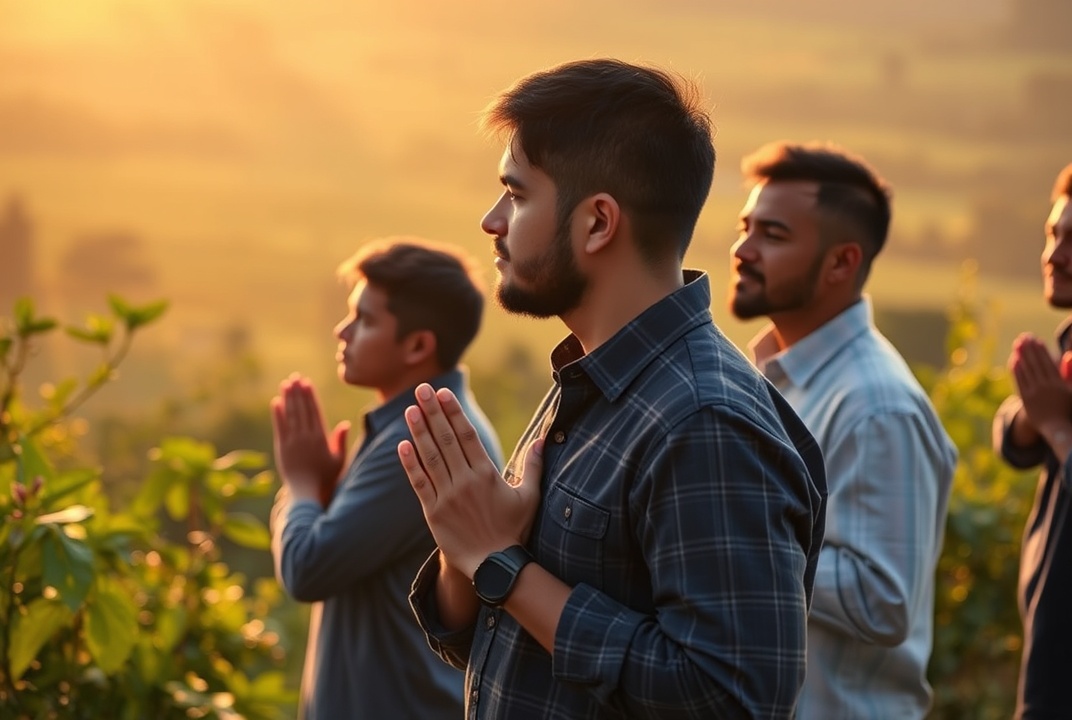
The Unseen Strength: Chronicles of Men of Prayer in the Tapestry of Religion
In the grand, often tumultuous narrative of human history, the role of faith has been a constant, a guiding star for countless souls. Within this spiritual landscape, the presence and influence of men of prayer represent a profound, yet often understated, force. These are individuals who, through deliberate and consistent communion with the divine, weave a thread of spiritual resilience and moral fortitude into the fabric of their lives and communities. Their journeys, marked by quiet devotion and determined supplication, offer a powerful testament to the enduring impact of religious commitment.
The concept of prayer is as ancient as civilization itself, a fundamental human impulse to connect with something greater. For many men, embracing prayer is not merely a ritualistic act but a deeply personal and transformative practice. It’s in the hushed moments before dawn, the silent contemplation during a workday, or the heartfelt appeals made in times of crisis that the power of men of prayer truly manifests. These acts, though personal, ripple outwards, influencing families, workplaces, and entire societies with their grounded faith and unwavering hope.
Life, in its unpredictable dance, presents challenges that can shake the strongest foundations. For many men of prayer, turning to prayer is a proactive response to these realities. It’s a way to navigate the complexities of existence, to seek wisdom when faced with difficult decisions, and to find solace amidst personal storms. This isn’t About avoiding responsibility, but About seeking the strength and clarity to face it with courage and integrity. Think of a father facing financial hardship; his prayers might not magically provide the money, but they can equip him with the resilience to explore new avenues, to maintain his resolve, and to support his family with unwavering optimism.
Moreover, prayer offers a unique avenue for self-reflection and spiritual growth. In the stillness of prayer, men can examine their actions, their intentions, and their character. It’s a time to confess shortcomings, to express gratitude for blessings, and to align their will with a higher purpose. This introspective aspect is crucial for men of prayer, as it fosters humility, cultivates empathy, and encourages a lifestyle of continuous learning and improvement. The practice becomes a crucible, refining their spirits and shaping them into more compassionate and principled individuals.
Navigating Life’s Crossroads: Prayer as a Compass
When faced with significant life transitions – a new career, a marriage, the birth of a child, or even a profound loss – the instinct to pray often intensifies. For men of prayer, these crossroads are not just points of uncertainty but opportunities for divine guidance. They engage in prayer to discern the right path, to ask for peace during turbulent times, and to surrender control when circumstances feel overwhelming. This is akin to a ship captain consulting his charts and seeking favorable winds before embarking on a long voyage; prayer serves as their spiritual compass.
Consider a young man making critical career choices. He might spend considerable time in prayer, not seeking a specific job offer, but rather clarity on his vocational calling, the ethical implications of his potential roles, and the personal fulfillment he seeks. This deliberate act of seeking divine direction can lead to more meaningful and purpose-driven decisions. The power of such focused prayer lies in its ability to quiet the noise of external pressures and internal anxieties, allowing for a deeper connection to one’s true aspirations and values, a hallmark of dedicated men of prayer.
The Ripple Effect: Men of Prayer in Communities
The impact of men of prayer extends far beyond their personal lives. Their steadfast faith and commitment often inspire those around them, creating a positive ripple effect within families and broader communities. When men openly embrace their spiritual lives, it can encourage a greater appreciation for faith among their peers, their children, and their neighbors. This isn’t About proselytizing aggressively, but About living a life that demonstrates the peace, strength, and purpose that comes from a deep connection with the divine.
In many religious traditions, men of prayer are also integral to the functioning of their congregations. They might lead prayer groups, serve in leadership roles, or simply be a consistent presence offering support and encouragement. Their dedication provides a stable anchor for the community, fostering a sense of unity and shared purpose. The quiet strength they exhibit in their prayer life often translates into reliable service and compassionate action, making them invaluable pillars of their spiritual families. Their commitment to prayer is a testament to their dedication to their faith and to the well-being of others.
Building Resilience: Faith in Times of Adversity
Adversity is an inevitable part of the human experience, and for men of prayer, faith often becomes their greatest source of resilience. When faced with illness, financial struggles, or personal tragedy, prayer offers a lifeline. It’s a way to acknowledge pain and sorrow without succumbing to despair, to find hope when all seems lost, and to trust in a plan that transcends immediate understanding. This is not About denying reality, but About finding the inner fortitude to endure and overcome.
Think of a community grappling with a natural disaster. While logistical efforts are underway, the prayers offered by the community’s men of prayer provide a crucial psychological and spiritual support. Their collective supplications can instill a sense of hope, foster unity in the face of shared hardship, and remind individuals that they are not alone. This spiritual fortitude is essential for rebuilding, not just structures, but spirits as well. The strength derived from prayer is often palpable, offering comfort and reinforcing the bonds of community.
The Quiet Revolution: Modern Men and Prayer
In contemporary society, where secularism often holds sway, the practice of prayer might seem at odds with modern sensibilities for some. However, a significant and growing number of men are finding renewed purpose and strength in their faith. These men of prayer are actively integrating their spiritual practices into their daily lives, demonstrating that faith is not a relic of the past but a vibrant and relevant source of guidance and strength for the present.
The challenges of modern life – the constant connectivity, the pressures of career and family, the existential questions that arise – often lead men to seek deeper meaning and stability. Prayer provides a sanctuary from the relentless pace of the world, an opportunity to reconnect with core values and to find a sense of inner peace. The evolution of how men pray might differ, from traditional liturgy to more personal, contemplative practices, but the core desire to connect with the divine remains a powerful motivator for these modern men of prayer.
Cultivating Inner Peace: The Personal Sanctuary of Prayer
Many men of prayer describe their prayer life as a personal sanctuary, a quiet space where they can withdraw from the external pressures and internal noise of daily life. This dedicated time allows for introspection, gratitude, and a recalibration of their focus. It’s a deliberate act of prioritizing their spiritual well-being, which in turn enhances their overall capacity to navigate life’s demands with grace and equanimity. The simple act of setting aside time for prayer can be a profound act of self-care.
For example, a busy executive might find that a few minutes of prayer each morning before diving into his demanding schedule helps him approach his tasks with a clearer mind and a more patient demeanor. This isn’t About escaping his responsibilities, but About equipping himself spiritually and mentally to handle them more effectively. This cultivation of inner peace through prayer is a vital aspect of the journey for many men of prayer, enabling them to be more present, more resilient, and more compassionate in all their interactions.
Frequently Asked Questions About Men of Prayer and Religion
What is “Men of Prayer”?
“Men of Prayer” is a general term referring to groups of men who gather for the purpose of prayer within their religious faith. The specific activities, structure, and focus of these groups can vary widely depending on the denomination or tradition they belong to. They typically involve communal prayer, scripture reading, discussion of faith-related topics, and mutual support.
What role does religion play in “Men of Prayer” groups?
Religion is the foundational element of “Men of Prayer” groups. These groups are formed within a specific religious framework, such as Christianity, Islam, Judaism, or other faiths. Their prayers, discussions, and practices are guided by the doctrines, scriptures, and traditions of their respective religions. The shared religious beliefs provide the common ground and purpose for the group’s existence.
Are “Men of Prayer” groups exclusive to any particular religion?
No, the concept of “Men of Prayer” is not exclusive to any single religion. Different religious traditions have their own forms of men’s prayer groups. While the name “Men of Prayer” might be more commonly associated with certain Christian denominations, the practice of men gathering for prayer exists across a wide spectrum of faiths and spiritual paths.
What are the typical activities of a “Men of Prayer” group?
Typical activities often include:
Communal prayer readings
Intercessory prayer for individuals, families, communities, and the world
Studying religious texts (e.g., Bible studies, Quranic reflections)
Sharing personal testimonies and reflections on faith
Discussing spiritual growth and challenges
Providing mutual encouragement and accountability
Sometimes, engaging in community service or outreach
What are the benefits of joining a “Men of Prayer” group?
Benefits can include:
Deepened personal faith and spiritual growth
A supportive community of like-minded men
Strengthened prayer life
Opportunities for accountability and encouragement
A sense of belonging and shared purpose
Learning from the experiences and perspectives of others
How can someone find a “Men of Prayer” group?
Inquire at your local place of worship (church, mosque, synagogue, etc.).
Ask friends or acquaintances who may be involved in such groups.
Check the websites or social media of religious organizations or denominations.
Some organizations might have online prayer groups or directories.