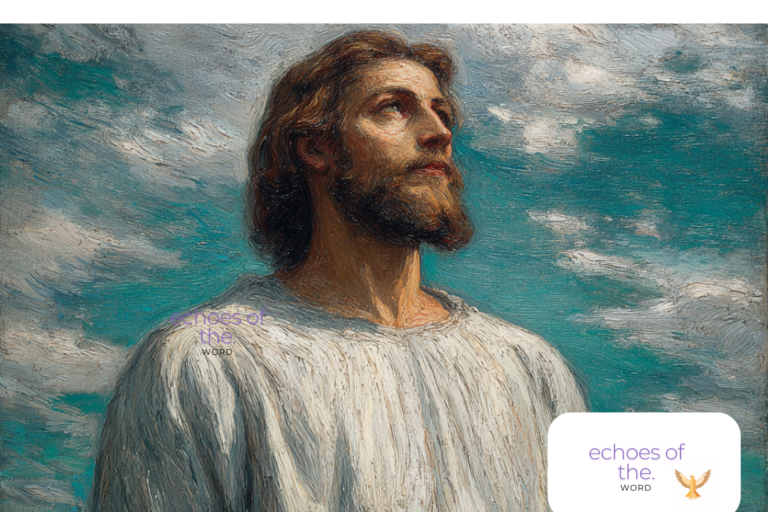
Christian Revivals in History: Echoes of Faith That Shaped the World
Throughout the vast tapestry of human history, the Christian faith has experienced periods of profound spiritual awakening, moments where the embers of belief were fanned into roaring flames, transforming individuals, communities, and even nations. These phenomena, known as Christian revivals, are not mere footnotes in religious studies; they are dynamic, often unpredictable surges of spiritual fervor that have left an indelible mark on the course of civilization. Understanding these revivals offers a powerful lens through which to view the enduring power of faith, the human yearning for connection, and the transformative potential of collective spiritual experience.
From the early days of Christianity to the modern era, these awakenings have often emerged during times of societal upheaval, moral decline, or spiritual complacency. They are characterized by a heightened sense of God’s presence, a deep conviction of sin, and an fervent desire for repentance and renewal. Far from being isolated incidents, these historical revivals often share common themes and exhibit striking patterns, offering valuable insights for believers and observers of faith alike. They remind us that the spiritual life is not static, but a dynamic journey that can be reignited with potent force.
The Genesis of Awakening: Early Christian Stirrings
The very inception of Christianity can be seen as a foundational revival. Jesus’ ministry, with its radical teachings, miraculous healings, and ultimate sacrifice, sparked an unprecedented movement. His followers, initially a small group of bewildered disciples, were transformed by the Resurrection, experiencing a profound spiritual empowerment that propelled them to spread the gospel throughout the known world. This initial explosion of faith, documented in the book of Acts, was a powerful revival that laid the groundwork for millennia of Christian development, demonstrating the potent impact of a personal encounter with the divine.
Following the apostolic era, the Christian church, though often facing persecution, continued to experience periods of internal renewal. Think of the early desert fathers and mothers in Egypt, who, seeking a radical commitment to God, withdrew from the world to pursue intense spiritual discipline. Their lives, though seemingly austere, became a beacon of devotion, influencing countless others and fostering a deeper understanding of prayer and contemplation. These early movements, while not always characterized by mass public gatherings, represented a significant internal revival, a rekindling of the flame of devotion within individuals and small communities.
The Reformation: A Catalyst for Widespread Change
Perhaps one of the most impactful and widely recognized Christian revivals was the Protestant Reformation in the 16th century. Figures like Martin Luther, John Calvin, and Huldrych Zwingli, grappling with what they perceived as corruption and theological deviation within the Roman Catholic Church, initiated a seismic shift. Their emphasis on “Sola Scriptura” (Scripture alone) and “Sola Fide” (faith alone) resonated deeply with many, sparking a widespread re-examination of religious doctrine and practice. This wasn’t just a scholarly debate; it was a spiritual upheaval that involved millions, leading to the establishment of new denominations and fundamentally altering the religious and political landscape of Europe and beyond.
The Reformation was a revival in the truest sense, re-centering faith on the individual’s relationship with God through Christ, rather than solely on institutional intermediaries. The availability of the Bible in vernacular languages was a critical element, empowering individuals to engage with scripture directly and experience a personal revelation. This revival led to a renewed emphasis on preaching, evangelism, and the importance of a transformed life, influencing everything from education to the development of democratic ideals. The printing press, a revolutionary technology of its time, played a crucial role in disseminating reformist ideas, much like modern media amplifies contemporary spiritual movements.
Awakenings in the New World: The Great Revivals
As Christianity journeyed to the Americas, it encountered new cultural contexts and gave rise to its own unique waves of spiritual fervor. The First Great Awakening in the 18th century, spanning the British colonies in North America, was a powerful demonstration of this. Traveling preachers like George Whitefield and Jonathan Edwards moved crowds with their passionate sermons, emphasizing personal conversion and the need for a “new birth.” This revival was characterized by intense emotional experiences, public repentance, and a surge in church membership. It left a lasting legacy, fostering a more individualistic and experiential approach to faith.
Following this, the Second Great Awakening in the early 19th century further solidified the revivalistic tradition in America. This period saw the rise of camp meetings, where thousands gathered for days of preaching, singing, and prayer. Figures like Charles Finney championed a more active and accessible form of evangelism, believing that conversion was not just a matter of divine election but also a response to human choice and effort. This revival was instrumental in shaping denominations like Methodism and Baptists, and its influence can be seen in the American emphasis on social reform movements, such as abolitionism and temperance, fueled by a deep sense of moral conviction.
The Impact of Revivals on Society and Culture
Christian revivals have consistently acted as powerful agents of social change. The moral earnestness and conviction that often accompany these awakenings frequently spill over into a desire to address societal ills. For instance, the abolitionist movement in the United States was deeply intertwined with the religious fervor of the Second Great Awakening, with many seeing slavery as a profound moral abomination that offended God. Similarly, the Salvation Army, founded in the late 19th century by William and Catherine Booth, emerged from a context of spiritual need and social distress, combining fervent evangelism with practical care for the poor and marginalized. These revivals, therefore, demonstrate that spiritual transformation can indeed lead to tangible societal transformation.
Beyond direct social action, revivals have also profoundly shaped cultural expressions. The hymns and spirituals that emerged from these periods are not just songs; they are poetic testaments to faith, hope, and struggle, often conveying deep theological truths in accessible language. Think of the enduring power of Isaac Watts’ hymns or the soulful resonance of African American spirituals, many of which were born out of intense periods of revival and hardship. These artistic expressions not only reflect the spiritual climate of their time but also continue to inspire and connect people to their faith across generations.
Modern Echoes: Revivals in the 20th and 21st Centuries
The 20th century continued to witness significant Christian revivals, albeit often with new forms and broader global reach. The Azusa Street Revival in Los Angeles at the turn of the century, for example, is considered a pivotal event, giving birth to the Pentecostal movement. Its emphasis on “gifts of the Spirit,” such as speaking in tongues and divine healing, attracted diverse crowds and sparked a global phenomenon that continues to influence millions today. This revival highlighted a renewed emphasis on the supernatural and the direct experience of the Holy Spirit.
In more recent times, we have seen various movements often labeled as revivals, from the “Jesus People” movement of the late 1960s and early 1970s, which saw young people from counter-cultural backgrounds embrace evangelical Christianity with a passion, to contemporary gatherings characterized by fervent worship and calls to discipleship. The rise of global evangelism, facilitated by modern communication technologies, has also allowed spiritual awakenings to spread rapidly across continents, demonstrating that the human heart’s capacity for seeking God remains a constant throughout history, albeit expressed through evolving cultural lenses.
Lessons from History for Today
Studying Christian revivals throughout history offers several valuable lessons for contemporary believers and societies. Firstly, they underscore the enduring power of personal conversion and heartfelt repentance. Regardless of the era, the core of revival often lies in individuals experiencing a profound turning towards God. Secondly, these awakenings consistently demonstrate the importance of bold proclamation and authentic witness. Whether through the fiery sermons of Whitefield or the simple testimonies of the Jesus People, faith is most effectively shared when it is lived out and spoken with conviction.
Furthermore, historical revivals remind us that spiritual fervor can and should lead to tangible action. The connection between deep faith and a commitment to justice, compassion, and service is a recurring theme. As we navigate the complexities of the 21st century, the examples of past revivals can inspire us to seek our own spiritual renewal, to engage with our faith dynamically, and to allow that renewed faith to motivate us to positively impact the world around us. These historical echoes are not just stories of the past; they are living testimonies to the transformative power of God and the human spirit’s ongoing quest for meaning and connection.
Frequently Asked Questions: Christian Revivals in History
What do we mean by a “Christian revival”?
A Christian revival is a period of intense spiritual awakening and renewal within a community or across a wider region. It’s characterized by a renewed commitment to Christian faith, often involving a surge in conversions, a deepening of spiritual devotion, and a desire for social reform.
What are some of the most significant Christian revivals in history?
Several revivals stand out for their impact. These include the Great Awakening in colonial America (18th century), the Second Great Awakening in the United States (late 18th to mid-19th century), the Welsh Revival (early 20th century), and Pentecostal revivals like the Azusa Street Revival (early 20th century) which gave rise to the Pentecostal movement.
What are common characteristics of Christian revivals?
Common features include fervent preaching, emotional expressions of faith (like weeping, shouting, or speaking in tongues in some traditions), public confession of sins, widespread prayer meetings, a focus on repentance and conversion, and often, a tangible impact on societal norms and moral behavior.
What causes Christian revivals?
The causes are complex and debated. Factors often cited include periods of spiritual apathy or moral decline, the work of influential preachers and evangelists, societal stress or upheaval, the fervent prayers of a committed remnant, and a perceived moving of the Holy Spirit.
How have Christian revivals impacted society?
Revivals have frequently led to significant social changes. They have spurred missionary efforts, the establishment of new denominations and educational institutions, movements for social justice (like abolitionism and temperance), and a general elevation of religious observance in public life.
Are all Christian revivals the same?
No, revivals vary greatly in their theological emphasis, emotional expression, organizational structure, and geographical scope. While all are generally characterized by spiritual fervor, the specific expressions and outcomes can differ significantly.
What is the role of the Holy Spirit in Christian revivals?
In Christian theology, the Holy Spirit is considered the primary agent of spiritual awakening and renewal. Revivals are often seen as a direct manifestation of the Spirit’s work, empowering believers, convicting sinners, and transforming individuals and communities.
How are Christian revivals viewed within the broader context of Christianity?
Views on revivals vary. Some Christians embrace them as vital moments of divine intervention and essential for the health of the church. Others are more cautious, emphasizing the need for discernment and ensuring that revivals align with established biblical teachings and church traditions, sometimes expressing concern About emotional excesses or doctrinal deviations.
What are some criticisms or concerns regarding Christian revivals?
Common criticisms include concerns About emotional manipulation, the potential for cult-like behavior, the emphasis on individual experience over communal worship or doctrine, and the possibility of superficial conversions or a lack of lasting spiritual depth. There are also debates About the authenticity of claimed supernatural phenomena.
Can Christian revivals happen today?
Many Christians believe that spiritual awakenings and renewals are possible and continue to occur in various forms around the world today. They look for signs of such movements in increased church attendance, a growing interest in faith, and a renewed commitment to Christian values and practices.