The Enduring Spirit of Witchcraft: More Than Magic, It’s a Religion of Connection
The term “witchcraft” often conjures images of cackling figures in pointy hats, bubbling cauldrons, and arcane spells. While these are certainly part of its popular folklore, the true spirit of witchcraft delves far deeper, encompassing a rich tapestry of beliefs, practices, and a profound connection to the natural world. For many, witchcraft isn’t just About casting spells; it’s a living, breathing religion, a path that fosters personal growth, empowers individuals, and seeks harmony with the universe.
Understanding the spirit of witchcraft requires us to move beyond stereotypes and explore its multifaceted nature. It’s a tradition that emphasizes personal agency, intuition, and the inherent divinity within ourselves and all of creation. This ancient path, often misunderstood and historically persecuted, is experiencing a vibrant resurgence, attracting individuals seeking a more meaningful and connected way of life, a spiritual framework that resonates with their innate sense of wonder and their desire to live in alignment with the earth’s rhythms.
Unveiling the Spirit of Witchcraft: A Religion Rooted in Nature
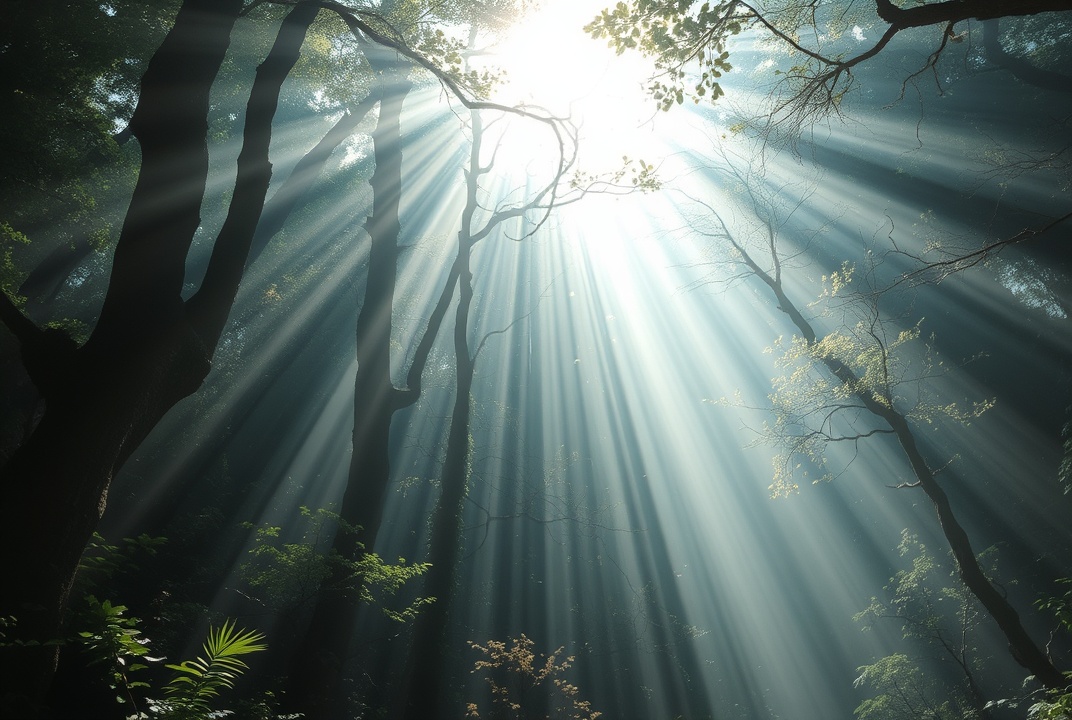
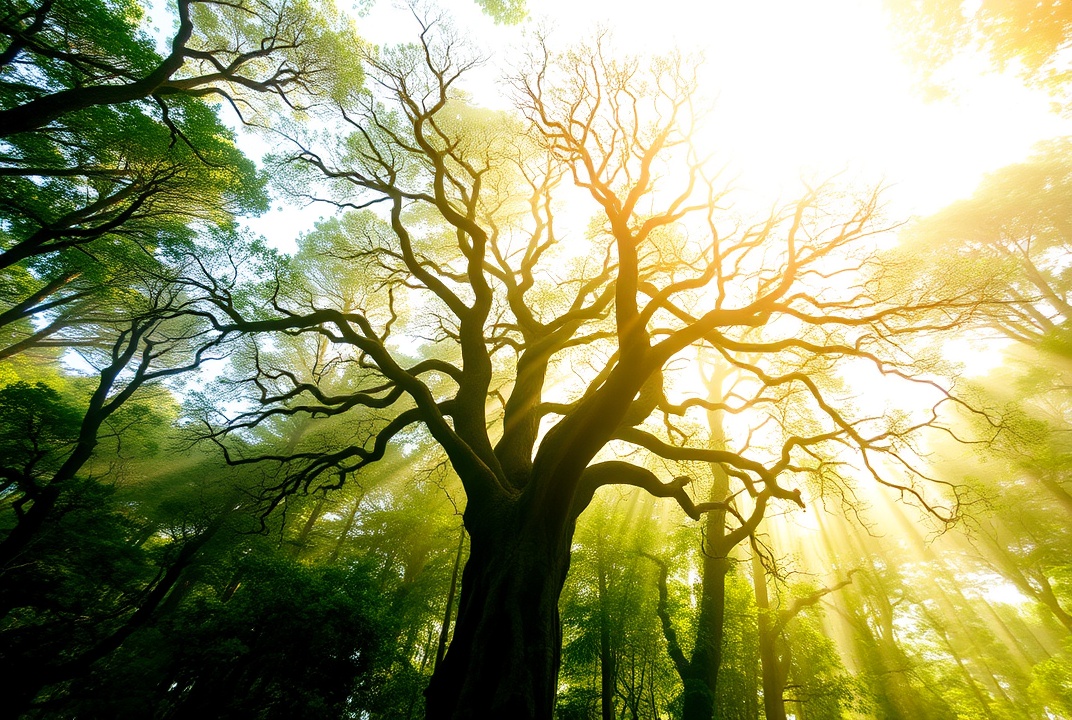
At its core, the spirit of witchcraft is intrinsically linked to the natural world. It’s a religion that reveres the cycles of the seasons, the power of the moon, the wisdom of the trees, and the life-giving force of the sun. This isn’t a distant, abstract deity; it’s the immanent presence of the divine in every leaf, every drop of rain, and every breath of wind. This deep reverence fosters a sense of stewardship and responsibility towards the planet, encouraging practices that are sustainable and respectful of all living things.
Think of it like this: instead of praying to a god in a faraway heaven, the spirit of witchcraft encourages you to commune with the divine that is already present all around you and within you. A witch might honor the turning of the seasons by celebrating the solstices and equinoxes, recognizing the symbolic death and rebirth inherent in nature. This connection provides a grounding force, a reminder that we are part of a larger, interconnected web of life, and that our well-being is inextricably tied to the health of our planet.
The Sacredness of the Earth and Sky
The earth and sky are not merely backdrops in the religion of witchcraft; they are active participants, sources of wisdom and power. The spirit of witchcraft sees the earth as Mother Earth, a fertile provider, and the sky as Father Sky, a vast expanse of potential and cosmic energy. This dualistic yet complementary view informs many of its rituals and beliefs, celebrating the balance of masculine and feminine energies present in all of existence.
For instance, a witch might perform a ritual during a full moon, drawing on its increased energy for manifestation or intuition, while during a new moon, they might focus on setting intentions and planting seeds for future growth, mirroring the moon’s own cycle of waxing and waning. This intimate relationship with celestial and terrestrial phenomena offers a profound sense of belonging and understanding of our place within the grand cosmic dance.
Beyond Stereotypes: The Personal and Empowering Spirit of Witchcraft
One of the most compelling aspects of the spirit of witchcraft is its emphasis on personal empowerment and self-discovery. Unlike many hierarchical religions, witchcraft often places the individual at the center of their spiritual journey. There’s no singular dogma or rigid set of rules that all witches must follow. Instead, it encourages introspection, the development of personal intuition, and the exploration of one’s own inner landscape.
This personal approach means that the practice of witchcraft is incredibly diverse, with many different traditions and paths existing within the broader umbrella. Some witches focus on herbalism and healing, others on divination and energy work, and still others on community building and social justice. The common thread is the belief in personal power and the capacity to effect change in one’s own life and in the world around them.
The Power of Intention and Will
Central to the spirit of witchcraft is the understanding of intention and will. It’s believed that by focusing one’s thoughts, desires, and energy, one can influence outcomes. This is not About bending reality to one’s whims, but rather About aligning oneself with universal energies and directing one’s own inherent power. This aspect often manifests in practices like spellcasting, which, at its heart, is a focused application of energetic intent.
Consider a simple example: a witch might want to find a new job. Instead of passively waiting, they might engage in a ritual that involves writing down their desires, visualizing themselves in their ideal role, and perhaps burning the paper as a symbolic release of their intention into the universe. This isn’t magic in the sense of conjuring something from nothing, but rather a powerful psychological and energetic practice that can help clarify goals and open pathways to achieving them.
Witchcraft as a Religion of Connection and Belonging
In a world that can often feel isolating, the spirit of witchcraft offers a powerful sense of connection and belonging. This connection extends beyond the individual to encompass other witches, the natural world, and the broader cosmos. Many covens and witchcraft communities provide a supportive network where individuals can share their experiences, learn from one another, and find solidarity.
This sense of community is vital, especially given the historical stigma associated with witchcraft. Finding like-minded individuals who understand and embrace this path can be incredibly validating and empowering. It provides a space for authentic self-expression and the celebration of diverse spiritual paths. This shared journey fosters a sense of collective strength and mutual support, vital for navigating life’s challenges.
The Web of Life: Interconnectedness in Practice
The belief in the interconnectedness of all things is a cornerstone of the spirit of witchcraft. This understanding influences how witches interact with the world, encouraging empathy, compassion, and a sense of shared responsibility. Every action, no matter how small, is seen as having ripple effects throughout the web of life.
For example, a witch might choose to eat locally sourced, organic food not just for health reasons, but also as a way to honor the farmers, the land, and the interconnectedness of their food system. They might also engage in practices of energy healing, believing that by helping to balance the energy of another, they are contributing to the overall harmony of the collective. This perspective cultivates a profound respect for all beings and the delicate balance of our ecosystems.
Embracing the Spirit of Witchcraft Today
The spirit of witchcraft is not a relic of the past; it is a dynamic and evolving religion that offers a compelling alternative for those seeking a deeper connection to themselves, their communities, and the natural world. It’s a path that empowers, inspires, and encourages a life lived in conscious awareness and harmony.
Whether you are drawn to its ritualistic practices, its philosophical underpinnings, or its deep reverence for nature, the spirit of witchcraft offers a rich and rewarding journey. It invites you to explore your own inner magic, to listen to the whispers of the earth, and to find your place within the grand, interconnected tapestry of existence. It’s a religion of personal power, profound connection, and enduring wisdom, waiting to be rediscovered by those who are ready to listen.
Frequently Asked Questions: Spirit of Witchcraft and Religion
What is the “spirit of witchcraft”?
The “spirit of witchcraft” is a broad and often nebulous concept. It can refer to the perceived essence, energy, or animating force behind witchcraft practices. Some people associate it with a connection to nature, the divine, or the self. Others may see it as a metaphorical representation of personal power, intuition, or the pursuit of knowledge. Its interpretation is highly subjective and varies greatly among individuals and traditions.
Is witchcraft a religion?
Witchcraft can be, and often is, practiced as a religion. Many modern witches follow a spiritual path that includes deities, rituals, altars, and a system of beliefs About the interconnectedness of all things. However, not all individuals who practice witchcraft identify it as their religion. For some, it may be a set of spiritual practices, a philosophical approach to life, or a system of magic and personal development that is not necessarily tied to formal religious structures.
Can witchcraft and other religions coexist?
Yes, it is possible for individuals to incorporate elements of witchcraft into their existing religious framework or to identify as both a witch and a follower of another religion. This is often referred to as eclectic witchcraft or syncretic practice. Some traditions or denominations may have specific beliefs About witchcraft that could create conflict, but many people find ways to harmonize their spiritual beliefs and practices.
How does the “spirit of witchcraft” relate to religious beliefs?
The relationship between the “spirit of witchcraft” and religious beliefs is diverse. For those who see witchcraft as a religion, the spirit is often understood as a divine force, the sacred feminine, the earth’s energy, or the universal life force that is worshipped or communed with. For others, it may be seen as an aspect of their own inner divinity or a connection to the natural world, which can complement or be incorporated into their existing religious worldview.