How Do You Become a Prophetess? Understanding the Divine Calling in Religion
The concept of a prophetess, a woman who speaks divine messages, has captivated humanity for millennia. Across various religious traditions, these women have served as oracles, guides, and spiritual conduits, their words shaping history and offering solace to countless souls. But the question lingers: how do you become a prophetess? It’s not a title one simply dons; it’s a profound calling, a deep inner transformation, and a lifelong commitment to the divine. Understanding this path involves delving into the realms of spiritual receptivity, personal integrity, and the active interpretation of divine whispers.
For many, the journey toward becoming a prophetess begins with an innate sensitivity to the spiritual realm. This isn’t About seeking power or recognition, but rather a genuine and persistent yearning to connect with something greater than oneself. It’s the quiet hum of intuition that never quite fades, the vivid dreams that feel more real than waking life, or the inexplicable sense of knowing that guides decisions even when logic falters. This natural inclination towards the sacred is the fertile ground from which a prophetess can emerge. It’s like a seedling, inherently predisposed to seek the light, waiting for the right conditions to truly blossom.
The Foundation: Cultivating Inner Stillness and Receptivity
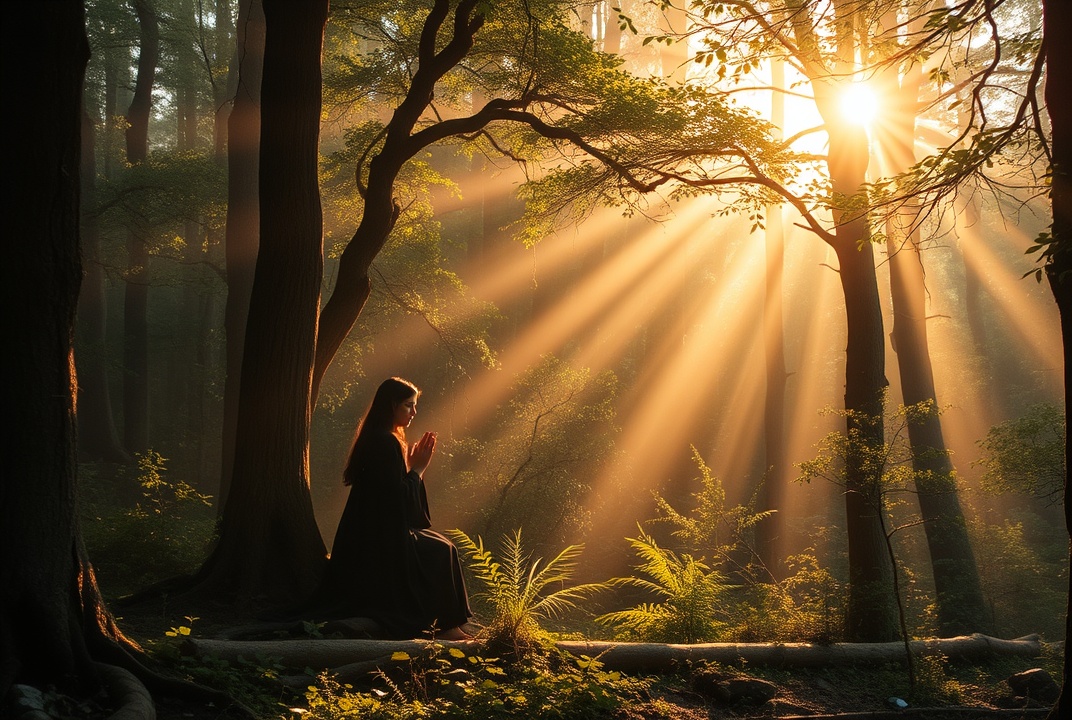
Becoming a prophetess is fundamentally About cultivating an inner landscape that is open and receptive to divine communication. This is not an external process of acquiring knowledge, but an internal one of honing one’s spiritual senses. Imagine a finely tuned instrument; it resonates with subtle vibrations. Similarly, a prophetess must learn to quiet the noise of the everyday world to perceive the subtle nuances of divine guidance. This involves a deliberate practice of stillness, meditation, and prayer, creating a sacred space within oneself where the divine can speak without being drowned out.
This inner stillness isn’t a passive waiting game; it’s an active attunement. It’s About developing the discipline to listen, not just to hear. Think of a scientist meticulously observing a delicate experiment. They are present, attentive, and ready to perceive the slightest change. A prophetess cultivates a similar vigilance of the spirit, constantly seeking to discern the divine intention behind thoughts, feelings, and experiences. This involves self-reflection, journaling, and seeking guidance from spiritual mentors who can help interpret and validate these inner experiences. It requires a deep commitment to understanding one’s own internal dialogue and distinguishing it from the divine voice.
Intuition is often the primary language of the divine for aspiring prophetesses. It’s that gut feeling, that flash of insight, or that deep sense of certainty that arrives without a logical explanation. For those who feel this inner knowing strongly, it’s a clear signal of their potential. This isn’t About random guesses; it’s About a subconscious processing of spiritual information, a direct connection to a higher wisdom. For instance, you might feel an overwhelming urge to call a friend who is in distress, or a sudden understanding About a complex situation that seems to come from nowhere.
Developing this intuition is a continuous process of trusting and honoring these inner nudges. It’s About experimenting with acting on these intuitive promptings and observing the outcomes. If the intuition consistently leads to positive or helpful results, it builds confidence and strengthens the connection. This can be as simple as choosing a specific path in nature that feels “right,” or making a decision in business based on a subtle feeling rather than a detailed spreadsheet. The more you practice listening to your intuition and acting upon it, the clearer and more reliable it becomes, paving the way for a more profound divine communication.
Embracing Divine Guidance: Interpretation and Discernment
Receiving a message is only the first step; how do you become a prophetess truly shines in the process of interpreting and discerning that divine guidance. This is where the raw whispers of the spirit are translated into understandable wisdom. It requires a critical yet open mind, a willingness to explore the meaning behind the visions, words, or feelings received. Without discernment, divine messages can be misinterpreted, leading to confusion or even misguided actions.
The process of interpretation often involves prayer, contemplation, and seeking wisdom from sacred texts and traditions. It’s About understanding the context of the message and how it aligns with the broader divine narrative. For example, a vision of a wilting flower might not simply mean sadness, but could represent a neglected spiritual practice or an unfulfilled potential that needs nurturing. This requires a deep understanding of symbolism and metaphor, as the divine often communicates through layers of meaning. A prophetess learns to unravel these layers, seeking clarity and truth within the divine communication.
The Importance of Spiritual Integrity and Humility
A crucial aspect of becoming a prophetess is unwavering spiritual integrity and profound humility. The divine chooses those who are grounded in truth, honesty, and a deep respect for life. It’s not About boasting or claiming superiority, but About being a humble vessel for divine wisdom. Anyone who seeks to wield authority through prophecy without these core virtues is unlikely to be truly called.
This integrity is demonstrated through consistent ethical behavior, compassion for others, and a commitment to serving the greater good. A prophetess doesn’t use her gifts for personal gain or to manipulate others. Instead, she utilizes them to uplift, guide, and heal. Humility allows for continuous learning and growth, recognizing that the divine is infinite and that one’s understanding is always evolving. It’s like a vast ocean; even the most experienced sailor knows there are depths yet to be explored.
Living the Path: Service, Responsibility, and Continuous Growth
Becoming a prophetess is not an endpoint, but a continuous journey of service, responsibility, and relentless spiritual growth. Once the channels of communication are established, the true work begins: acting on the divine guidance and sharing it with the world. This often involves stepping into roles that require courage, compassion, and a willingness to confront difficult truths.
The responsibility that comes with being a prophetess is immense. The messages received are not always easy to deliver, and they may challenge established norms or comfort zones. However, a true prophetess understands that her role is to be a conduit for divine truth, even when it’s uncomfortable. This requires strength of character, unwavering faith, and a deep love for humanity. It’s About being a beacon of light in sometimes dark times, offering guidance and hope to those who seek it. This path demands a dedication to lifelong learning and a constant willingness to be refined and shaped by the divine hand.
Frequently Asked Questions: Becoming a Prophetess in Religion
What is a prophetess?
A prophetess is a woman who is believed to have received divine revelations or messages from a deity and to have the gift of prophecy, which is the ability to foretell future events or speak on behalf of God.
The concept of becoming a prophetess varies significantly across different religions and spiritual traditions. In some traditions, it’s considered a direct calling from the divine, not something one can actively pursue or achieve through personal effort alone. In others, spiritual discipline, deep faith, and a life dedicated to service might be seen as preparing an individual for such a role.
Are there specific requirements or qualifications?
Requirements and qualifications are not standardized and depend heavily on the specific religious or spiritual framework. Some traditions might emphasize purity of heart, unwavering faith, a life of prayer and fasting, or adherence to specific religious laws and teachings. The divine’s choice is often seen as the primary factor.
How does one know if they are called to be a prophetess?
Individuals who believe they are called to be a prophetess often report experiencing profound spiritual visions, hearing divine voices, or feeling an undeniable inner conviction and sense of purpose. These experiences are typically deeply personal and are often interpreted within the context of their religious beliefs.
Is there a formal process or training for becoming a prophetess?
In most religions, there isn’t a formal, institutionalized training program for becoming a prophetess in the same way one might train for a priesthood or other religious office. The “training” is often seen as a direct spiritual journey, guided by divine influence and the teachings of their faith. In some traditions, mentorship from established spiritual leaders might be sought.
What if I believe I have prophetic gifts but my religion doesn’t recognize prophetesses?
If you believe you have spiritual gifts or messages but your specific religious tradition does not have a recognized role for prophetesses, it can present a complex situation. You might explore how your experiences align with the broader spiritual teachings of your faith, seek guidance from trusted spiritual elders within your community, or consider if your gifts might be understood and expressed through other recognized spiritual roles or ministries.