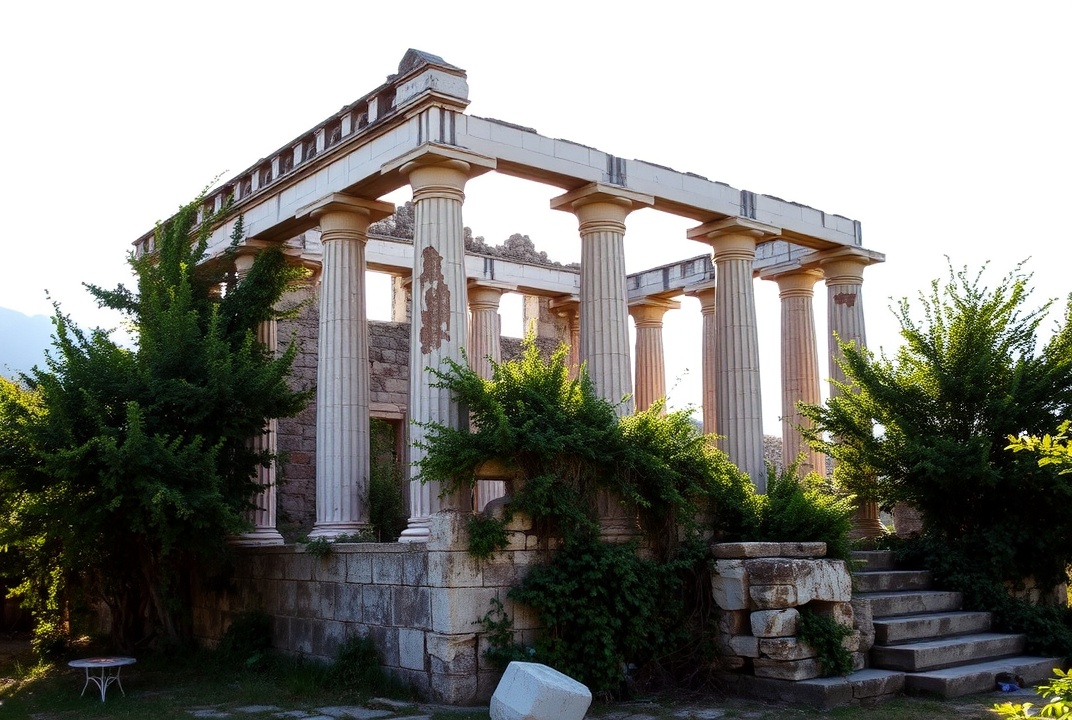
Echoes of Faith: Exploring the Profound Biblical Sites of Greece
Greece, a land synonymous with ancient philosophy, breathtaking islands, and vibrant mythology, holds a deeper, more resonant significance for many: it is a land steeped in biblical history. Beyond the marble ruins of the Acropolis and the azure waters of the Aegean, lie sacred grounds where apostles walked, where pivotal moments in early Christianity unfolded, and where the very foundations of Western religious thought were laid. To journey through Greece is to embark on a pilgrimage, not just through picturesque landscapes, but through the living narrative of our faith. These biblical sites in Greece offer a tangible connection to the stories we hold dear, transforming abstract scripture into vivid, unforgettable experiences.
For those seeking a spiritual journey, a deeper understanding of their religious heritage, or simply a richer appreciation of Greece’s multifaceted past, exploring these hallowed locations is an essential endeavor. Imagine standing on the very ground where St. Paul preached his transformative sermons, or tracing the footsteps of early Christian communities as they navigated a world both pagan and nascently Christian. The religion that has shaped civilizations finds its echoes in these ancient stones, whispering tales of perseverance, faith, and divine intervention.
Paul’s Footprints: The Apostle’s Transformative Journeys in Greece
The apostle Paul stands as a towering figure in the spread of Christianity, and Greece was a central stage for his missionary endeavors. His journeys here were not merely voyages; they were divinely guided expeditions that sowed the seeds of the Gospel in some of the most influential cities of the Roman Empire. From the bustling ports to the intellectual hubs, Paul’s unwavering determination and profound theological insights left an indelible mark, shaping the future of Christianity for centuries to come. His letters, penned to the communities he established, remain cornerstones of biblical doctrine and offer invaluable insights into the early church’s struggles and triumphs.
One cannot speak of biblical sites in Greece without immediately thinking of Thessaloniki. This vibrant port city was a key stop on Paul’s second missionary journey, where he established a thriving church. The ruins of the Roman Agora likely witnessed his impassioned sermons, and fragments of the ancient city walls may have served as silent witnesses to his ministry. The “Varna” or “Veroia” Column, though its exact connection is debated, is often linked to Paul’s time in the region, serving as a poignant reminder of his presence. The Epistle to the Thessalonians itself is a testament to the vitality of this early community, and visiting these sites allows for a direct engagement with the historical context of these sacred texts.
Athens: The Cradle of Philosophy and the Seed of the Gospel
Athens, the illustrious capital of ancient Greece, is renowned for its contributions to philosophy, democracy, and the arts. Yet, it also holds a significant place in biblical history, particularly through the ministry of St. Paul. His encounter with the Athenian philosophers on the Areopagus Hill is a pivotal moment, illustrating the intersection of ancient wisdom and Christian revelation. Here, amidst the grandeur of the Acropolis, Paul bravely addressed the learned citizens, presenting the Gospel of the one true God to a society steeped in polytheism.
Standing on the Areopagus today evokes a powerful sense of history. Imagine the scene: Paul, a lone figure in a sea of intellectual giants, speaking of Jesus Christ and the resurrection. The inscription on the “Altar to an Unknown God”, which Paul masterfully used as a springboard for his sermon, still exists, a tangible link to that momentous encounter. This biblical site in Greece is not just a historical landmark; it’s a testament to courageous faith and the universality of the Christian message, demonstrating that the Gospel could resonate even in the heart of pagan intellectualism. The Acts of the Apostles vividly recounts this encounter, allowing us to feel the tension and the profound significance of Paul’s words reaching ears that had previously only known the pronouncements of the gods.
Corinth: A Thriving Metropolis and a Crucible of Faith
The ancient city of Corinth, strategically located on the Isthmus connecting the Peloponnese peninsula to mainland Greece, was a bustling commercial and cultural hub in the ancient world. Its prosperity, however, was matched by its moral complexities, making it a challenging yet ultimately fruitful field for the apostle Paul’s ministry. He spent a significant amount of time here, establishing a robust church and grappling with the unique social dynamics of this vibrant city.
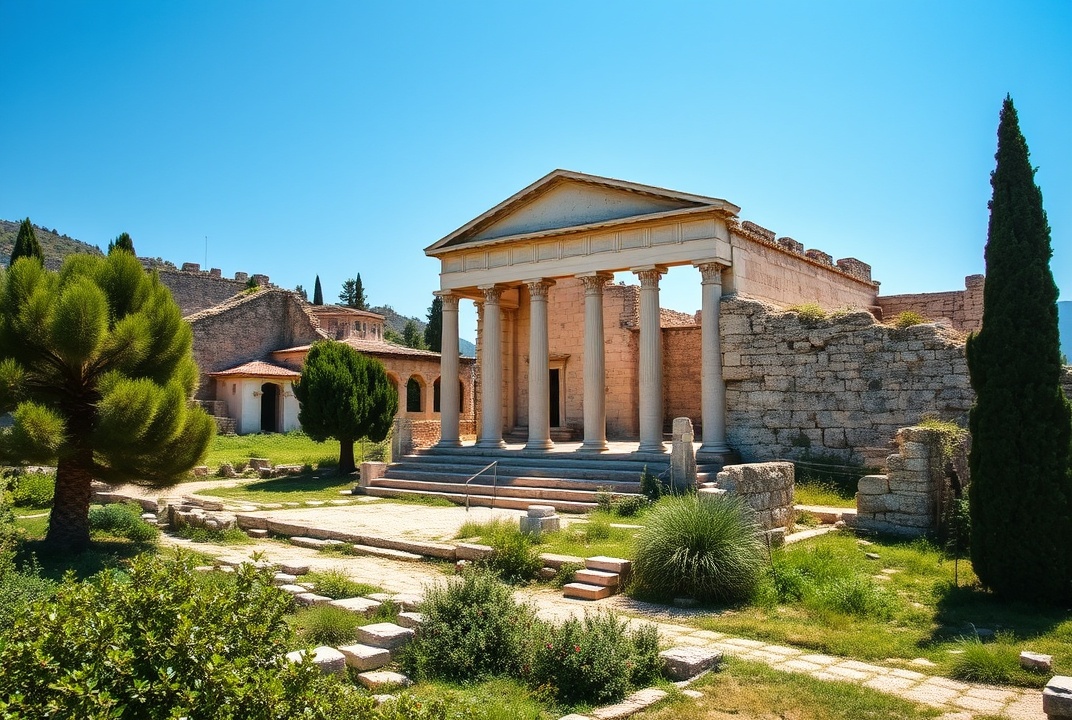
Today, the archaeological site of Ancient Corinth offers a glimpse into the daily life that Paul would have encountered. Visitors can explore the Agora, where Paul would have interacted with merchants and citizens, and the temple ruins, remnants of the pervasive pagan worship he sought to transform. The Bema of Corinth, a raised platform from which public officials would address the populace, is believed to be the very spot where Paul was brought before Proconsul Gallio, as documented in the Book of Acts. This biblical site in Greece vividly illustrates the challenges and triumphs faced by early Christians as they navigated Roman legal systems and societal norms, forging a new religious identity under pressure.
Beyond the Mainland: Island Sanctuaries and Apostolic Legacies
While the mainland of Greece is rich with biblical significance, the allure of its stunning islands also played a crucial role in the early spread of Christianity. These sun-drenched havens, now synonymous with idyllic vacations, were once vital outposts for the dissemination of the Gospel message, often serving as transit points or established communities where apostles found refuge and shared their teachings.
The island of Crete, for instance, is directly linked to St. Paul’s journey as described in the Acts of the Apostles. While he was a prisoner being transported to Rome, his ship was caught in a severe storm and eventually ran aground near the island. He spent time there, appointing Titus as the bishop of the Cretan churches. Visiting Crete allows one to connect with this episode of apostolic perseverance and the subsequent establishment of a Christian presence on the island. The religious landscape of Greece is undeniably shaped by these island communities.
Patmos: The Island of Revelation and Divine Vision
Perhaps the most spiritually charged island biblical site in Greece is Patmos. This rugged, windswept island holds a unique and unparalleled place in Christian eschatology as the location where the apostle John received and recorded the Book of Revelation. Exiled to Patmos by the Roman authorities for his Christian faith, John experienced divine visions that would form the prophetic narrative of the end times, profoundly influencing Christian theology and inspiring countless believers throughout history.
The Monastery of St. John the Theologian, a magnificent fortress-like structure perched atop the island’s highest point, is a testament to centuries of devotion and a pilgrimage destination for the faithful. Adjacent to the monastery lies the Cave of the Apocalypse, the sacred grotto where John is believed to have had his visions and penned the Revelation of Jesus Christ. Stepping into this hallowed space is an intensely moving experience, allowing one to feel the spiritual weight of the prophecies and the profound connection between this remote island and the divine unfolding of history. The religious significance of Patmos is undeniable, offering a glimpse into the heart of eschatological understanding within Christianity.
A Living Legacy of Faith in the Land of the Ancients
To explore the biblical sites in Greece is to embark on a journey that transcends mere tourism. It is an immersion into the very roots of Christianity, a chance to walk in the footsteps of apostles and prophets, and to witness firsthand the transformative power of faith in diverse and challenging environments. These locations are not inert relics; they are vibrant testaments to a living religion that has shaped the course of human history.
From the intellectual debates on the Areopagus in Athens to the prophetic visions on the island of Patmos, and the missionary zeal in Thessaloniki and Corinth, each biblical site in Greece offers a unique window into the development and spread of Christianity. These sacred grounds invite reflection, inspire awe, and provide a tangible connection to the sacred narratives that continue to guide and comfort millions worldwide. The religious heritage of Greece is a profound and enduring legacy, waiting to be discovered by those who seek to understand its deepest spiritual dimensions.
Frequently Asked Questions: Biblical Sites in Greece
What are some of the most significant biblical sites in Greece?
Some of the most significant biblical sites in Greece include the city of Corinth, where the Apostle Paul preached and established a church; Philippi, a Roman colony where Paul founded one of the earliest Christian communities in Europe; Athens, where Paul famously addressed the Areopagus; and Berea, where the inhabitants were praised for their eagerness to examine the Scriptures.
What role did Greece play in the spread of early Christianity?
Greece, particularly through its major cities like Corinth, Philippi, and Athens, served as a crucial hub for the spread of early Christianity in the Roman Empire. The Apostle Paul and other missionaries extensively traveled through these regions, establishing churches and disseminating the Gospel, making Greece a vital part of the New Testament narrative and the early expansion of Christianity into Europe.
Are there specific churches or ruins associated with biblical figures in Greece?
Yes, there are several churches and ruins associated with biblical figures. The ruins of ancient Corinth contain remnants of the city where Paul spent considerable time. In Philippi, visitors can see the site of the baptistery where Lydia was converted and the ruins of the prison where Paul and Silas were miraculously freed. Athens features the Areopagus, where Paul delivered his famous sermon.
Can visitors still see evidence of the Apostle Paul’s journeys in Greece?
Absolutely. The archaeological sites in cities like Corinth, Philippi, and Athens provide tangible evidence of the Apostle Paul’s journeys and ministry in Greece. Walking through these ancient ruins allows visitors to visualize the settings where he preached, taught, and established Christian communities.
What kind of religious significance do these sites hold today?
These sites hold immense religious significance for Christians worldwide, serving as pilgrimage destinations and places of spiritual reflection. They offer a connection to the historical roots of Christianity and the foundational work of the early apostles, allowing believers to experience firsthand the locations where the New Testament events unfolded.