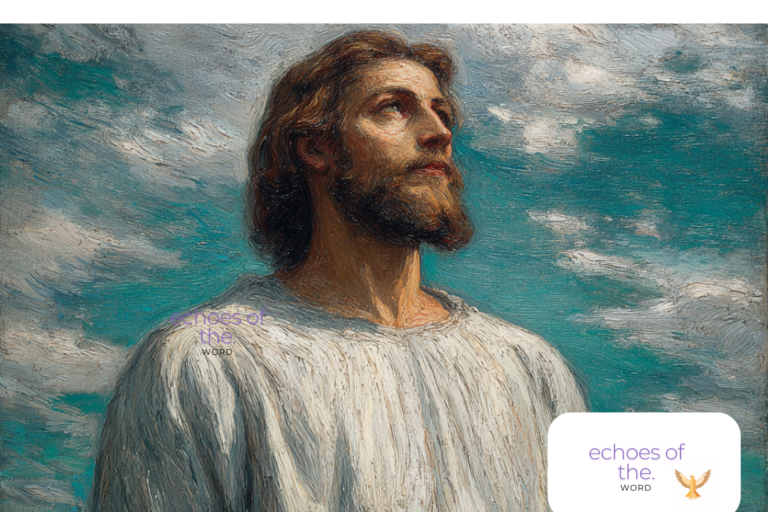
What Does It Mean to Humble Yourself Before God? Embracing True Reverence in Religion
In the tapestry of religious life, the concept of humility before God is a recurring and foundational thread. It’s a phrase we hear often, spoken in sermons, whispered in prayers, and contemplated in quiet moments of reflection. But what does it truly mean to humble yourself before God? It’s more than just a passive act of bowing down; it’s an active, transformative posture of the heart and mind that shapes our entire spiritual journey. Understanding this profound concept can unlock a deeper, more authentic connection with the divine, leading to a life enriched by grace, understanding, and purpose.
The essence of humbling oneself before God lies in recognizing our dependence on a power greater than ourselves. It’s About shedding the illusion of self-sufficiency and acknowledging that our existence, our abilities, and our very breath are gifts. This isn’t About self-deprecation or believing you are inherently worthless; rather, it’s a realistic assessment of our place in the grand cosmic order. It’s a conscious choice to dethrone our ego and place God at the center of our lives, recognizing His sovereignty and His boundless love.
At its core, humbling yourself before God begins with a profound acknowledgment of His absolute sovereignty. This means understanding that God is the Creator, the Sustainer, and the ultimate authority over all things. It’s like a child recognizing their parent is in charge – not out of fear, but out of an ingrained understanding of their role and the parent’s wisdom. This recognition is the bedrock upon which all other aspects of humility are built. Without this initial understanding, any attempt at humility will likely be superficial, a mere performance rather than a genuine internal shift.
Consider the vastness of the universe, the intricate laws of nature, the miraculous complexity of life itself. All of these point to a power and intelligence far beyond human comprehension. To humble yourself is to accept this divine reality and to cease striving to control or understand everything through our limited human lens. It involves relinquishing the need to have all the answers, to always be in charge, or to believe that our own intellect is the ultimate arbiter of truth. It’s an invitation to trust in a wisdom that transcends our own, a wisdom that guides the stars and orchestrates the smallest of seeds to bloom.
Moving Beyond Intellectual Ascent: The Heart’s Surrender
While intellectual assent to God’s existence is a starting point, true humility before God goes much deeper. It requires a surrender of the heart. This means allowing God’s truth to penetrate our innermost being, influencing our desires, our motivations, and our actions. It’s the difference between knowing that gravity exists and feeling its pull when you stumble. When we allow our hearts to surrender, we become more receptive to God’s will, even when it challenges our preconceived notions or desires.
This heart-level surrender is often initiated through prayer and contemplation. In these moments, we strip away the defenses of our ego and open ourselves to divine guidance. It’s in the quiet moments of prayer that we might confess our pride, acknowledge our shortcomings, and express our sincere desire to align our lives with God’s purpose. This isn’t a one-time event but a continuous process of recalibration, like a ship adjusting its sails to catch the wind. It’s About cultivating a posture of receptivity and teachability, allowing God to mold and shape us according to His divine design.
The Practice: Actions That Reflect Inner Humility
Humbling yourself before God isn’t just an internal state; it’s also expressed through tangible actions. These practices serve as outward manifestations of our inward reverence and are crucial for nurturing a consistent spiritual life. They are the practical outworkings of our trust and submission to the divine. Without these practical expressions, our understanding of humility can remain an abstract idea, failing to translate into meaningful transformation.
Obedience to Divine Commands: This involves actively striving to live according to the principles and commandments laid out in religious texts and traditions. It means choosing to follow God’s guidance, even when it’s difficult or goes against personal desires. For example, practicing forgiveness when you feel wronged, or showing compassion to those who are less fortunate, even when it requires personal sacrifice.
Service to Others: A humble heart naturally extends outwards in service. When we recognize our dependence on God, we are more inclined to serve His creation. This can take many forms, from volunteering at a local shelter to offering a listening ear to a friend in need. It’s About seeing others as reflections of the divine and treating them with dignity and respect.
Confession and Repentance: Recognizing our imperfections and acknowledging our mistakes is an integral part of humility. True confession isn’t About self-flagellation but About honestly admitting our failings to God and seeking His forgiveness. It’s a courageous act of vulnerability that allows for healing and growth.
Gratitude: A humble spirit is a grateful spirit. Regularly acknowledging the blessings in our lives, both big and small, fosters a sense of dependence and appreciation. This could involve keeping a gratitude journal or simply taking moments throughout the day to thank God for His provisions.
These actions are not performed to impress others or to earn divine favor, but out of a genuine desire to honor God and to live a life that is pleasing to Him. They are opportunities to practice what we believe and to deepen our spiritual roots. Each act of obedience, service, confession, or gratitude is a step further on the path of becoming more like the divine we worship.
Living a Life of Reverence: Beyond Rituals
Ultimately, what does it mean to humble yourself before God? It means living a life of constant reverence, a life where our actions, thoughts, and words are consistently guided by an awareness of God’s presence and His will. This goes beyond mere religious rituals or outward displays of piety. It’s a holistic integration of faith into every aspect of our existence. It’s About approaching our daily tasks, our relationships, and even our challenges with a spirit of submission and trust.
A life of genuine humility is characterized by openness to correction and a willingness to learn. It means not being defensive when confronted with our errors, but rather seeing them as opportunities for growth. It’s About embracing interdependence, recognizing that we are all part of a larger community and that our spiritual journeys are interconnected. This profound understanding transforms how we interact with the world, fostering a deeper sense of empathy, compassion, and a relentless pursuit of righteousness. It is in this ongoing practice of humility that we find true freedom and an ever-deepening relationship with the divine.
Frequently Asked Questions: Humility Before God
What does it mean to humble yourself before God?
Humbling yourself before God means recognizing His supreme authority, power, and goodness, and acknowledging your own dependence on Him. It involves setting aside pride, ego, and self-sufficiency to submit to His will and guidance. This can manifest in various ways, including prayer, repentance, obedience to His commands, and a genuine desire to serve Him and others.
Is humility only for certain religions?
While the concept of humility before a higher power or divine being is a common theme across many religious and spiritual traditions, the specific nuances and practices can vary. Many major world religions, including Christianity, Islam, Judaism, Hinduism, and Buddhism, emphasize the importance of humility as a virtue and a path to spiritual growth.