Who Are the Seven Churches in Revelation Today? Unpacking Ancient Messages for Modern Faith
The Book of Revelation, with its vivid imagery and prophetic pronouncements, often sparks curiosity and sometimes trepidation. At its core, nestled within the opening chapters, are seven distinct letters addressed to seven specific churches in the ancient Roman province of Asia Minor. These aren’t just historical footnotes; they represent archetypes of Christian communities, each with unique strengths, weaknesses, and spiritual challenges. Understanding who these seven churches were, and more importantly, what their messages signify for believers in the 21st century, offers a profound lens through which to examine our own faith journeys.
When we ask, “who are the seven churches in Revelation today?”, we’re not looking for literal, geographically identical congregations. Instead, we are seeking to understand the spiritual characteristics and enduring lessons embodied by Ephesus, Smyrna, Pergamum, Thyatira, Sardis, Philadelphia, and Laodicea. Each church’s portrait painted by John the Apostle serves as a timeless mirror, reflecting the spiritual health and operational dynamics that can be found in Christian fellowships across all eras, including our own. These messages, delivered over two millennia ago, remain remarkably relevant, offering guidance, encouragement, and stern warnings to the global Church of Christ.
The Historical Context: Seven Cities, Seven Churches
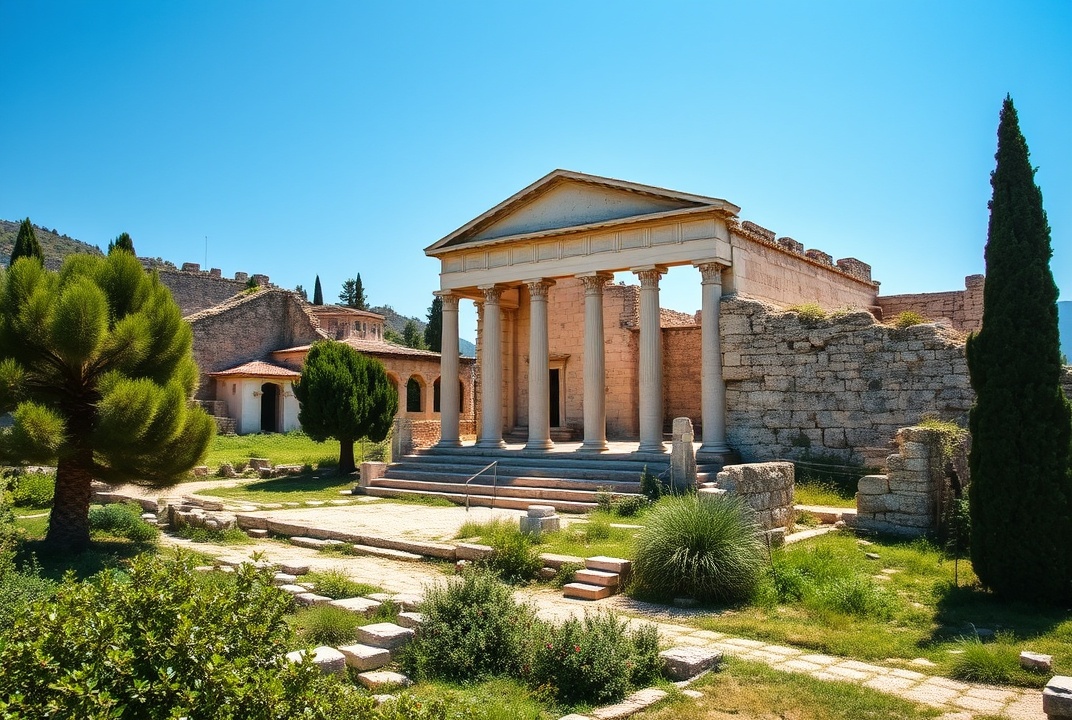
To grasp the significance of the seven churches, it’s crucial to acknowledge their historical setting. These were not mythical cities but real, thriving metropolises in Roman Asia Minor, each with its own unique cultural, economic, and religious landscape. Ephesus, a bustling port city, was a center of commerce and pagan worship, most notably dedicated to the goddess Artemis. Smyrna, a beautiful and prosperous city, faced intense persecution from both Roman authorities and a hostile Jewish community. Pergamum, known as the “altar of Zeus,” was a sophisticated cultural hub with a strong presence of Roman civic religion and various philosophical schools.
Thyatira, a smaller city than some of its neighbors, was renowned for its guilds and industries, making economic compromise a significant challenge. Sardis, once a glorious capital, had fallen into decline, and its church reflected this fading glory with a spiritual apathy that had set in. Philadelphia, a relatively young city, was known for its missionary zeal and its loyalty in the face of adversity. Finally, Laodicea was a wealthy banking and textile center, a place where prosperity could easily breed spiritual complacency and self-sufficiency. These diverse environments directly influenced the specific issues faced by each church, offering a rich tapestry of challenges that resonate even today.
Ephesus: The Church That Lost Its First Love
The church in Ephesus, praised for its hard work, discernment, and refusal to tolerate false apostles, receives a crucial admonishment: “Nevertheless I have this against you, that you have left your first love” (Revelation 2:4). This is a powerful reminder that zeal without affection can become hollow. Imagine a couple who meticulously fulfills all their marital duties – paying bills, maintaining the house, attending social events – but has lost the deep emotional connection that first drew them together. Their actions are technically correct, but the essence of their relationship is fading.
For us today, this message to Ephesus serves as a stark warning against functional Christianity. We can be incredibly busy with religious activities, attend every service, volunteer for numerous tasks, and even hold strong doctrinal beliefs, yet still be inwardly distant from the source of our faith, Jesus Christ. The challenge for contemporary believers is to continually rekindle that passionate, personal relationship with God, ensuring that our outward actions are fueled by an inward devotion. Are we so focused on the “doing” of faith that we neglect the “being” in love with God?
Smyrna: The Church of Persecution and Perseverance
The believers in Smyrna were enduring intense suffering, facing poverty, slander, and the threat of death at the hands of both Roman authorities and a hostile Jewish faction. Yet, Christ commends their “tribulation and poverty—but you are rich!” (Revelation 2:9). This paradox highlights that true wealth is not material but spiritual. Their suffering, though physically debilitating, was forging a resilient faith and a deeper reliance on God. They were being tested, much like gold refined in a furnace, emerging stronger and purer.
In the modern world, while overt, state-sponsored persecution might not be the norm for many, believers still face various forms of opposition and pressure. This can manifest as social ostracism, career limitations for expressing faith, or the subtle erosion of Christian values in secular society. The message to Smyrna encourages us to persevere through trials, recognizing that our current hardships can be a catalyst for spiritual growth and an opportunity to demonstrate the unshakeable hope we possess. It reminds us that our true inheritance is not found in earthly possessions or comfort but in our eternal destiny with Christ.
Pergamum: The Church Compromised by Culture
Pergamum, a city steeped in paganism and imperial worship, presented a unique challenge to its Christian community. Jesus commends their faithfulness but rebukes them for tolerating those who held to the teachings of Balaam and the Nicolaitans, which involved compromising with idolatry and immorality (Revelation 2:14-15). This was a delicate balancing act: how to live in a pagan world without adopting its corrupting practices. The danger was that the church was beginning to blend in with its surroundings, blurring the lines between Christian distinctiveness and pagan customs.
This resonates profoundly with “who are the seven churches in Revelation today?” Many contemporary churches grapple with the temptation to conform to the prevailing cultural norms. This can involve downplaying biblical sexual ethics, embracing worldly philosophies, or minimizing the exclusive claims of Christ to avoid offending secular sensibilities. The message to Pergamum is a clarion call to maintain biblical integrity and moral purity, even when it means standing apart from the dominant cultural narrative. It challenges us to discern where cultural engagement becomes spiritual compromise.
Thyatira: The Church Tolerating Falsehood
The church in Thyatira received a mixed report. While acknowledging their increasing love, service, faith, and perseverance, Jesus sternly condemns them for tolerating “that woman Jezebel, who calls herself a prophetess, to teach and to Seduce my servants to commit sexual immorality and to eat things sacrificed to idols” (Revelation 2:20). This “Jezebel” likely represents a spirit of false teaching and moral corruption that had infiltrated the church, leading believers astray. The church’s failure was not in actively promoting these errors, but in its passive acceptance and toleration of them.
Today, the spirit of Jezebel can be seen in various forms of heresy and syncretism that creep into Christian circles. This might include teachings that dilute the sovereignty of God, redefine sin, or blend biblical truth with New Age philosophies or secular ideologies. The message to Thyatira is a powerful indictment against spiritual apathy and the unwillingness to confront error. It compels us to be vigilant defenders of biblical truth, actively challenging false doctrines and safeguarding the purity of the Gospel message within our communities.
Sardis: The Church of Lukewarmness and Spiritual Death
The church in Sardis is perhaps the most sobering critique, described as having a name for being alive, but being spiritually dead (Revelation 3:1). Despite outward appearances of activity, their works were found to be “incomplete” in God’s sight. This church had become complacent and self-satisfied, likely due to past successes or perceived spiritual maturity. They had lost their spiritual vitality, their fire had dwindled, and their faith had become a matter of routine rather than a dynamic relationship with Christ.
When considering “who are the seven churches in Revelation today?”, Sardis represents the ever-present danger of nominal Christianity. It’s the faith that looks good on paper but lacks genuine life and power. Many believers today can fall into this trap, going through the motions of religious observance without experiencing theTransforming presence of the Holy Spirit. The message to Sardis is a heartfelt plea to “wake up!” and repent, to seek a renewed experience of God’s grace and to rekindle the embers of faith into a vibrant flame. Are we content with an appearance of faith, or are we actively seeking the substance?
Philadelphia: The Church of Faithful Endurance and Open Doors
In stark contrast to Sardis, the church in Philadelphia is celebrated for its faithfulness and perseverance. Jesus commends them for keeping His word and not denying His name, promising to make them a “pillar in the temple of my God” and to open a “door before them that no one can shut” (Revelation 3:8). This promise of an open door signifies opportunity for ministry and witness, a reward for their unwavering commitment in the face of adversity. They were a church that actively shared their faith and remained steadfast.
The message to Philadelphia offers immense encouragement to contemporary Christians who are striving to live out their faith authentically. It highlights the rewards of steadfastness and obedience, assuring believers that God is with them, opening avenues for service and impact. This church serves as an inspiration to continue in the mission of Christ, trusting that through faithful endurance, God will provide opportunities to advance His kingdom. It reminds us that our commitment to Him opens doors we might never have imagined.
Laodicea: The Church of Spiritual Indifference
The final church, Laodicea, receives the most scathing rebuke. Known for its wealth and medical prowess, its church had become spiritually lukewarm, self-sufficient, and proud. Jesus describes their condition as neither hot nor cold, a state so displeasing that He threatens to “spit you out of my mouth” (Revelation 3:16). Their problem was not overt sin but a dangerous spiritual complacency born from material prosperity. They believed they “needed nothing,” failing to recognize their utter dependence on Christ.
This lukewarmness is a significant concern for “who are the seven churches in Revelation today?” In affluent societies, the danger of Laodicea is palpable. We can become so comfortable and accustomed to our blessings that we lose our sense of urgency for spiritual things and our dependence on God. The message to Laodicea is a wake-up call to self-examination, urging us to prioritize Christ above all else, to seek genuine spiritual fervor, and to recognize our need for Him in every aspect of our lives. Are we truly rich in faith, or are we merely comfortable in our spiritual poverty?
Applying the Seven Churches’ Messages to Our Lives
The messages to the seven churches are not merely historical curiosities; they are divine indictments, encouragements, and invitations to examine our own spiritual lives and the health of our Christian communities. Each church represents a spectrum of spiritual experiences that can be found within the global Body of Christ today. We might identify aspects of ourselves or our churches in more than one of these ancient fellowships. For instance, a church might be commended for its doctrinal purity (like Ephesus) but struggle with a lack of heartfelt love, or it might be facing persecution (like Smyrna) yet be tempted by cultural compromise (like Pergamum).
Ultimately, the overarching purpose of these letters is to call the Church to hear what the Spirit says to the churches. This is an ongoing, dynamic process. By understanding the strengths and weaknesses of each of these seven archetypes, we are better equipped to discern the spiritual realities within our own lives and congregations. The goal is not to condemn, but to guide, to challenge, and to call us to a deeper, more authentic, and more passionate commitment to Jesus Christ. The question for each of us, and for every church, remains the same: are we listening to His voice and responding with a willing heart?
Frequently Asked Questions: The Seven Churches in Revelation Today
Who are the Seven Churches of Revelation today?
The Seven Churches of Revelation are symbolic representations of different types of churches and their spiritual conditions throughout history, not specific geographical locations with modern-day counterparts. While they were real churches in Asia Minor during the time of the Apostle John, the messages given to them are understood by many Christians to contain enduring principles and warnings applicable to churches and individual believers in any era. Therefore, rather than identifying specific modern churches as one of the seven, believers often examine their own church’s or their personal faith’s characteristics against the descriptions of these ancient congregations to discern areas of strength and weakness.
Is the interpretation of the Seven Churches a matter of religion?
Yes, the interpretation of the Seven Churches of Revelation is a matter of religious belief and theological understanding within Christianity. Different Christian denominations and individual believers hold varying viewpoints on their meaning and application. Some interpret them literally as historical churches with ongoing spiritual parallels, while others see them as allegorical representations of the universal church throughout different ages, or as archetypes of spiritual states that can exist in any church at any time. These interpretations are rooted in theological doctrines and approaches to biblical exegesis.