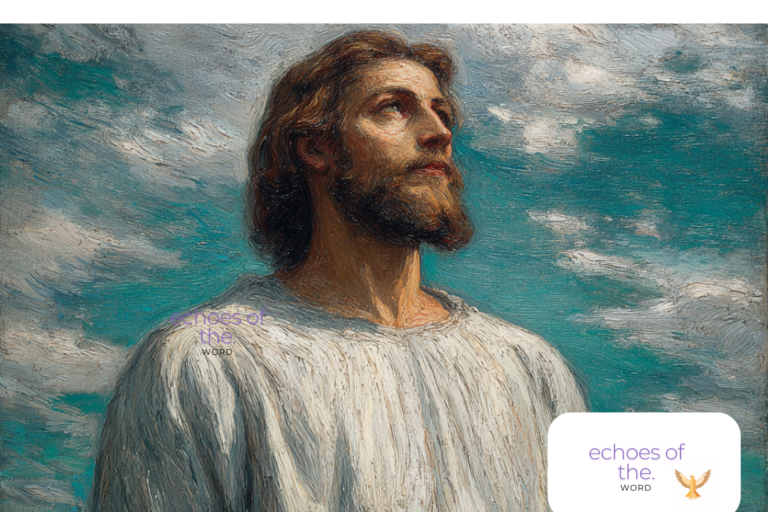
The Echo of Eternity: Navigating the Landscape of the Prophetic Word in Religion
The human heart has always held a yearning for something beyond the immediate, a whisper of the eternal that hints at a grander design. This innate longing often finds expression in religious traditions through the concept of the prophetic word. It’s more than just a prediction; it’s a divine utterance, often delivered through chosen individuals, intended to guide, comfort, warn, and ultimately, to reveal God’s will. Understanding the nature and function of the prophetic word can offer profound insights into our faith journeys and the unfolding narrative of existence.
What exactly constitutes a prophetic word within the religious sphere? It’s a message believed to originate from a divine source, conveyed through human agents. These messages are rarely simple fortune-telling; instead, they often encapsulate truths About God’s character, His plans for humanity, and the spiritual realities that underpin our world. They can speak of future events, certainly, but more importantly, they illuminate the present, calling for repentance, faith, or steadfastness.
The Genesis of the Prophetic Word: Ancient Roots and Enduring Significance
The concept of receiving divine communication is as old as recorded religious history. From the pronouncements of ancient prophets in the Hebrew Bible to the visions described in early Christian texts, the prophetic word has been a cornerstone of spiritual understanding. These individuals, often set apart by their experiences and their deep connection with the divine, served as conduits for messages that shaped communities and influenced the course of history.
Many religious traditions highlight the humility and obedience required of those who receive and deliver the prophetic word. It wasn’t a position of personal power, but rather one of profound responsibility. The prophets were often tasked with delivering difficult truths, challenging the status quo, and calling people back to their covenantal relationship with God. For instance, figures like Isaiah or Jeremiah didn’t just foretell doom; they articulated the consequences of disobedience and offered a path toward restoration, a crucial aspect of their prophetic word.
Forms and Functions of the Prophetic Word: More Than Just Foretelling
It’s a common misconception that the prophetic word is solely About predicting the future. While future pronouncements are a part of it, its functions are far more multifaceted and deeply interwoven with the spiritual health of individuals and communities. A prophetic word can be a timely encouragement during periods of doubt, a stern warning against spiritual complacency, or a clarification of God’s intentions in complex situations.
Consider the example of a pastor delivering a sermon that resonates deeply with the congregation, offering specific guidance and hope in their current challenges. This, in a sense, can be a contemporary manifestation of the prophetic word. It’s not About predicting lottery numbers, but About applying divine wisdom to the immediate needs of the people, fostering spiritual growth and encouraging a closer walk with God. The emphasis is on revelation and application, making the divine relevant to human experience.
The Personal Resonance of a Prophetic Word
The prophetic word often carries a profound personal resonance. When a message is delivered, it can feel as though it’s speaking directly to the listener’s deepest needs or unspoken prayers. This isn’t mere coincidence; believers often interpret this as the divine Spirit confirming the authenticity of the utterance, aligning it with their individual circumstances. The feeling can be one of immense relief, clarity, or even a gentle nudge towards a path they may have been hesitant to take.
Imagine someone grappling with a difficult decision, feeling lost and uncertain. Then, they hear or read a passage from their sacred texts, or perhaps receive a request for a prophetic word from a trusted spiritual leader, that speaks directly to their dilemma. This prophetic word might not offer a literal step-by-step solution, but it could provide renewed courage, a shifted perspective, or a sense of peace that empowers them to move forward with faith. This personal validation is a powerful aspect of its impact.
Communal Impact and Societal Transformation
Beyond the individual, the prophetic word has historically played a significant role in shaping entire communities and societies. Prophets often spoke truth to power, challenging injustice and calling for societal reform based on divine principles. Their messages could ignite movements, inspire revolutions of conscience, and fundamentally alter the spiritual and moral landscape of a nation.
The civil rights movement in the United States, for instance, was deeply influenced by prophetic voices that spoke out against racial injustice, drawing on religious convictions to advocate for equality and human dignity. These leaders, like Martin Luther King Jr., often articulated a divine vision of a more just society, a potent form of the prophetic word that galvanized millions and led to profound societal change. The collective impact of such pronouncements can be transformative.
Discernment in the Age of Abundance: Testing the Prophetic Word
In our modern world, where information is readily available, the concept of the prophetic word can sometimes be met with skepticism or confusion. With so many voices claiming divine inspiration, the ability to discern genuine prophetic word from mere human opinion or even deception becomes paramount. Religious traditions offer guidelines for this discernment, emphasizing tested character, alignment with scripture, and positive spiritual fruit.
One of the most crucial aspects of discernment is testing the fruit. Does the prophetic word lead to increased love, peace, and righteousness? Does it encourage humility and a deeper reliance on God? Or does it foster division, pride, or a focus on sensationalism? A genuine prophetic word will ultimately point people towards God and His enduring truths, rather than drawing attention to itself or the messenger.
Scriptural Alignment: The Foundation of Truth
A fundamental principle in discerning the prophetic word is its alignment with established sacred texts. While the prophetic word may offer new insights or applications, it is understood to be in harmony with, and not contradictory to, the core doctrines and teachings already revealed. This acts as a vital filter, ensuring that any purported divine message is consistent with the known character and will of God as understood through scripture.
For example, if a message claims divine authority but promotes teachings that directly contradict the unconditional love or redemptive grace described in sacred writings, it would rightly be questioned. The scriptural foundation serves as a bedrock, providing a reliable standard against which all claims of a prophetic word can be measured. This adherence to scripture is a non-negotiable aspect of spiritual discernment.
The Character of the Messenger and the Message
The character of the individual delivering the prophetic word, as well as the nature of the message itself, are also crucial indicators. A person known for integrity, humility, and a consistent walk of faith is generally more likely to be a reliable conduit for divine communication. Conversely, a message that is arrogant, self-serving, or manipulative should raise red flags.
A prophetic word that encourages personal accountability and a deepened relationship with God is far more credible than one that makes grandiose promises of personal wealth or power without any corresponding call to spiritual discipline. The spiritual fruit that the message produces in the lives of those who receive it serves as a significant test. What kind of transformation does the prophetic word inspire?
Embracing the Prophetic Word in Your Faith Journey
Engaging with the concept of the prophetic word can enrich your religious life in profound ways. It’s an invitation to listen for the voice of the divine, to seek deeper understanding, and to participate in the unfolding narrative of God’s purposes. Whether through ancient scriptures, the inspired preaching of today, or a personal sense of divine guidance, the prophetic word offers a continuous connection to the eternal.
Ultimately, the prophetic word is a gift, a testament to God’s desire to communicate with humanity and to guide us toward a life of purpose and meaning. By approaching it with discernment, humility, and an open heart, we can allow its echoes of eternity to shape our present and illuminate our path forward, fostering a more vibrant and transformative faith. The ongoing dialogue between the divine and the human, facilitated by the prophetic word, remains one of religion’s most compelling and enduring aspects.
Frequently Asked Questions About Requesting Prophetic Words
What is a prophetic word?
A prophetic word is a message believed to be inspired by God, offering guidance, encouragement, or insight for an individual or situation. It is often understood as a divine utterance or revelation.
What is the role of religion in requesting a prophetic word?
Religion plays a central role. The concept of prophetic words is deeply rooted in various religious traditions, particularly those with Abrahamic origins (Judaism, Christianity, Islam). Within these faiths, the understanding and practice of seeking or receiving prophetic words are often guided by theological beliefs, scripture, and established spiritual leadership.
How does one request a prophetic word?
The method of requesting a prophetic word can vary significantly depending on religious affiliation and personal practice. Generally, it involves prayer, seeking guidance from spiritual leaders or recognized prophets within a community, and sometimes specific rituals or fasting. The request is usually made with a spirit of humility and openness to receive God’s message.
Is there a specific religious denomination or tradition associated with prophetic words?
While the concept of prophecy is present in many religions, the specific practice and understanding of “requesting prophetic words” as a distinct spiritual discipline are more commonly found within certain branches of Christianity, particularly Pentecostal and Charismatic traditions. However, similar practices of seeking divine guidance and revelation exist in other faith contexts.
Are there any safeguards or considerations when seeking a prophetic word?
Yes, it is generally advised to approach the seeking of prophetic words with discernment. This often involves evaluating the message against scripture, seeking confirmation from reliable spiritual counsel, and assessing if the word aligns with established Christian teachings (if applicable). False prophecies are a concern in many religious traditions, so wisdom and prayerful consideration are essential.