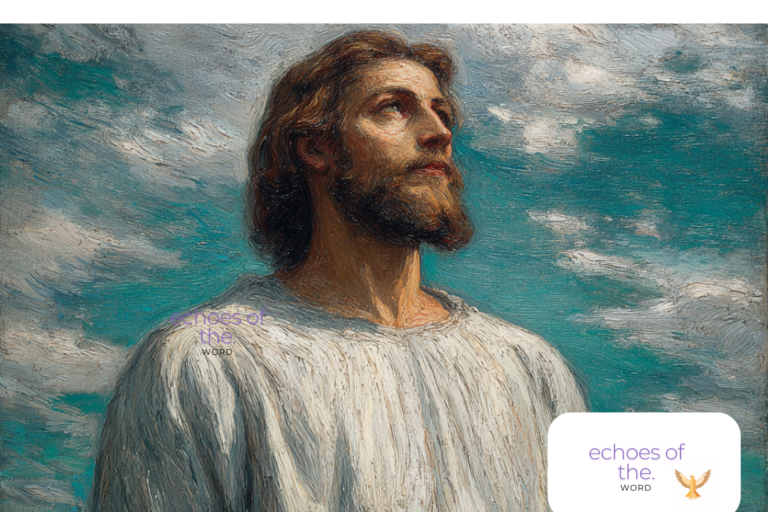
The Divine Gaze: How Scriptures Reveal God’s Perspective on Us
The Divine Gaze: How Scriptures Reveal God’s Perspective on Us
In the quiet moments of our lives, when the world’s clamor fades, we often ponder a fundamental question: How does God see us? Is He a stern judge, perpetually scrutinizing our flaws? Or is there a deeper, more compassionate understanding woven into the fabric of divine perception? For centuries, religious texts, particularly the Holy Scriptures, have offered profound insights into this very question, painting a picture of a God whose view of humanity is far richer and more nuanced than we might initially imagine. These sacred writings aren’t just ancient stories; they are living blueprints for understanding our infinite worth and the unwavering nature of divine love.
The journey to understanding God’s perspective begins with recognizing that His sight transcends our superficial judgments. While we might focus on outward appearances, achievements, or even failures, God’s gaze penetrates to the core of our being. He sees not just what we do, but who we are, the hidden desires of our hearts, and the potential He has intricately placed within us. This understanding, rooted in numerous scriptural passages, offers a powerful antidote to self-doubt and the feeling of being unseen or insignificant. Let’s explore these divine revelations, drawing strength and solace from the enduring truth of how God truly perceives His creation.
One of the foundational truths presented in the Scriptures is that humanity is not an accidental byproduct of existence, but rather a deliberate creation fashioned in the very likeness of God. This is not to suggest a physical resemblance, but rather a reflection of His inherent qualities – our capacity for reason, creativity, love, and moral consciousness. This divine imprint means that from the very beginning, we were endowed with an intrinsic value that no circumstance can diminish. Think of it like a sculptor creating a masterpiece; even if the clay is imperfect or the sculptor’s hand trembles slightly, the inherent design and the sculptor’s intent imbue it with immense value.
The Genesis account repeatedly emphasizes this intentional creation: “So God created mankind in his own image, in the image of God he created them; male and female he created them” (Genesis 1:27). This isn’t a mere statement of origin; it’s a declaration of our inherent dignity. It means that every human being, regardless of their background, achievements, or perceived imperfections, carries this divine spark. God sees us as carriers of His image, a testament to our unique and precious nature. This understanding challenges the world’s often conditional acceptance and offers a steadfast source of self-esteem simply by virtue of who we are.
Beloved and Known: The Intimacy of God’s Love
Beyond our creation, Scriptures reveal a God who actively knows and deeply loves each individual. This isn’t a detached, abstract affection, but a personal and intimate knowledge. He knows our thoughts before we even voice them, our struggles before we articulate them, and our joys before they fully blossom. This profound intimacy is captured in verses like Psalm 139:1-4: “Lord, you have searched me and you know me. You know when I sit and when I rise; you perceive my thoughts from afar. You discern my going out and my lying down; you are familiar with all my ways. Before a word is on my tongue, you, Lord, know it completely.”
This all-encompassing knowledge can feel overwhelming, but the scriptural context consistently frames it as an expression of profound love and care. It means we are never truly alone, never truly unobserved in a way that leads to neglect. God’s awareness of our innermost being is a promise of unconditional acceptance. He sees our mistakes, our weaknesses, and our moments of doubt, yet His perspective remains one of steadfast affection. Consider a parent who knows their child’s every quirk and foible, yet loves them all the more for their authenticity. This is a glimpse into the depth of God’s personal regard for each of us.
Reconciled and Redeemed: The Vision of Restoration
The Scriptures also illuminate God’s perspective on us as beings who, due to human fallibility, have strayed from His perfect design. Yet, even in our sin and brokenness, God’s view is not one of condemnation but of redemption. He sees us not as irredeemable sinners, but as individuals for whom a plan of reconciliation was meticulously laid out. The Apostle Paul, in his letter to the Corinthians, writes, “Therefore, if anyone is in Christ, the new creation has come: The old has gone, the new is here! All this is from God, who reconciled us to himself through Christ and gave us the ministry of reconciliation” (2 Corinthians 5:17-18).
This concept of the “new creation” highlights God’s desire to see us restored and made whole. He looks at us through the lens of Christ’s sacrifice, seeing our potential for transformation. He doesn’t dwell on our past transgressions as the final word on who we are. Instead, He offers a pathway to renewal, a vision of us living in harmony with His divine purpose. This perspective is incredibly empowering, assuring us that our past does not define our future in God’s eyes. We are seen as individuals capable of profound change and spiritual growth.
Valued Beyond Measure: The Price of Our Freedom
The ultimate testament to how God sees us is found in the immeasurable price He was willing to pay for our salvation. The Scriptures declare that humanity is so precious in God’s sight that He sent His only Son, Jesus Christ, to die for our sins. This act of profound sacrifice is not a transaction for a flawed commodity, but an expression of God’s unfathomable love and desire for relationship. John 3:16 famously states, “For God so loved the world that he gave his one and only Son, that whoever believes in him shall not perish but have eternal life.”
This sacrifice signifies that, in God’s eyes, we are worth the ultimate cost. He sees us as individuals whose eternal well-being is of paramount importance, so much so that He willingly bore the weight of sin and death. This perspective shatters any notion of our insignificance. We are not easily discarded; we are cherished treasures for whom an eternal King laid down His life. This is a perspective that offers unparalleled hope and assurance of our immense value in the divine economy. It’s a powerful reminder that God sees us as redeemable, beloved, and eternally significant.
Furthermore, God sees us as individuals with whom He desires to partner. He doesn’t expect us to navigate life’s complexities alone. The Scriptures are replete with promises of His strength, guidance, and empowerment for those who seek Him. Isaiah 41:10 reassures us: “So do not fear, for I am with you; do not be dismayed, for I am your God. I will strengthen you and help you; I will uphold you with my righteous right hand.”
This divine perspective is one of active support and enablement. God sees our limitations and our potential, and He chooses to infuse us with His own power to overcome obstacles and fulfill our God-given purpose. He sees us not as mere recipients of His grace, but as active participants in His cosmic plan. This partnership is built on trust and faith, and God’s constant encouragement fuels our ability to believe in what He has declared About us. He sees us as capable vessels ready to be filled and used for His glory.
A Glimpse of Our Future: The Hope of Glory
Finally, God’s vision for us extends beyond our present reality to a glorious future. Scriptures speak of a time when believers will be transformed into the perfect likeness of Christ, a state of unblemished perfection and eternal joy. The Apostle John writes, “Dear friends, now we are children of God, and what we will be has not yet been made known. But we know that when Christ appears, we shall be like him, for we shall see him as he is” (1 John 3:2).
This transformative hope is a crucial aspect of how God sees us. He sees our current state not as the end of the story, but as a prelude to our ultimate glorification. This perspective instills a deep sense of purpose and anticipation, knowing that our current struggles and growth are all part of a magnificent unfolding. God sees us as beings destined for eternal communion and perfect beauty, a reflection of His magnificent plan for all creation. This is the ultimate affirmation of our enduring worth and divine destiny.
In conclusion, the Scriptures offer a breathtaking panorama of how God sees us. He sees us as His unique creations, bearing His image and possessing inherent worth. He sees us as intimately known and profoundly loved, worthy of His unwavering attention and affection. He sees us as redeemable beings, capable of transformation and restoration through His grace. He sees us as invaluable treasures, worth the ultimate sacrifice of His Son. He sees us as partners in His work, empowered by His strength to fulfill His purposes. And ultimately, He sees us as destined for glory, a future of perfect likeness and eternal joy. Understanding these divine perspectives is not just an academic exercise; it’s a transformative revelation that can reshape our self-perception, bolster our faith, and inspire us to live lives that reflect the incredible value God places on each and every one of us.
Frequently Asked Questions: How God Sees Us in Scripture and Religion
How does the Bible describe God’s view of humanity?
The Bible portrays God’s view of humanity as one of deep love and concern. Verses like John 3:16 (“For God so loved the world that he gave his one and only Son, that whoever believes in him shall not perish but have eternal life”) highlight God’s immense love. Psalms 8:4-5 speaks of humanity being made “a little lower than the angels” and crowned with “glory and honor,” indicating a preciousness in God’s sight. Despite humanity’s flaws, God’s grace and desire for reconciliation are consistently emphasized.
Does God have a favorite creation?
While the Bible speaks of God’s love for all creation, including humanity (Genesis 1:27 states humans are made in God’s image), it doesn’t explicitly designate a “favorite” in a way that implies exclusion. Instead, different figures and groups in scripture experience God’s favor and covenantal relationship, such as Abraham and his descendants, or individuals chosen for specific purposes (e.g., prophets, apostles). This favor is often tied to obedience and faith, rather than inherent preference above all else.
What does religion generally teach About God’s perception of individuals?
Most religions teach that God (or the divine) perceives individuals with a degree of awareness, often encompassing love, judgment, and a desire for relationship. Many traditions believe God sees the inner intentions and character of a person, not just their outward actions. Concepts like divine justice, mercy, and the importance of devotion or good deeds are common themes in how different religions understand God’s perception of us.
Are there scriptures About God’s unfailing love for us?
Yes, the scriptures are rich with affirmations of God’s unfailing love. Jeremiah 31:3 states, “I have loved you with an everlasting love; therefore in steadfast love I draw you near.” Romans 8:38-39 famously declares that “neither death nor life, neither angels nor demons, neither the present nor the future, nor any powers, neither height nor depth, nor anything else in all creation, will be able to separate us from the love of God that is in Christ Jesus our Lord.” These passages emphasize the enduring and unshakeable nature of God’s love.
How does religion address the idea of God’s judgment on individuals?
Religion often addresses God’s judgment as a consequence of actions, beliefs, and adherence (or lack thereof) to divine laws or principles. Many traditions believe in a final judgment where individuals will be held accountable for their lives. However, this judgment is frequently intertwined with concepts of mercy, forgiveness, and the opportunity for repentance and redemption. The nature and criteria of this judgment vary across different religious doctrines.