Navigating Grief with Faith: A Guide to Scripture Readings for Catholic Funerals
The death of a loved one is an experience that touches the deepest parts of our being, a profound moment of loss that can leave us feeling adrift. In these times of sorrow, the Catholic faith offers solace, hope, and a profound sense of connection to something greater than ourselves. Central to this spiritual comfort during a funeral Mass are the chosen scripture readings for Catholic funerals. These sacred texts are not merely formalities; they are carefully selected passages that speak directly to the human experience of grief, the reality of death, and the eternal promise of resurrection. Understanding their significance and exploring the options available can be a deeply meaningful part of the funeral planning process, offering a pathway through sadness towards peace.
Choosing the right scripture readings is an act of love and remembrance, a way to honor the deceased and to provide spiritual nourishment for those who mourn. It’s an opportunity to reflect on the life lived, the impact made, and the enduring legacy of faith. These readings are a powerful source of comfort, reminding us that even in our deepest sorrow, we are not alone, and that through Christ, death is not the end, but a passage to eternal life.
The Purpose and Power of Scripture at a Catholic Funeral
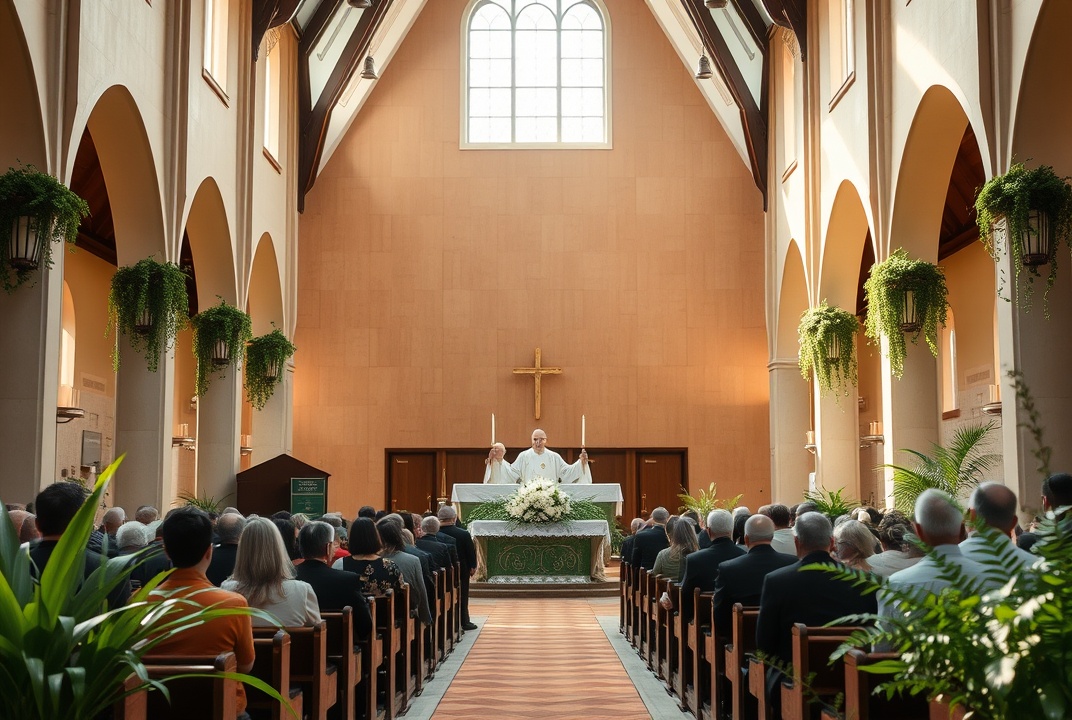
The Catholic funeral Mass is a liturgical celebration of life and resurrection. It is a time to commend the faithful departed to God’s mercy and to offer prayers for their eternal rest. The scripture readings play a pivotal role in this sacred liturgy, shaping the tone, conveying the theological message, and offering profound comfort. They are chosen to speak to the core of our Christian belief: that Christ’s victory over death offers hope to all who believe.
These readings are designed to illuminate the mystery of death and resurrection. They remind us that life is a precious gift, and that even though we grieve the physical absence of our loved ones, their spirit lives on in God’s eternal embrace. For example, the reading from 1 Thessalonians 4:13-18 offers a powerful message of hope: “We do not want you to be uninformed, brothers and sisters, About those who have fallen asleep; do not grieve like the others, who have no hope. For if we believe that Jesus died and rose again, even so God will bring with Jesus those who have fallen asleep in him.” This passage assures us that our departed loved ones are not lost but are in God’s care, awaiting a joyous reunion.
Understanding the Structure of Funeral Readings
A typical Catholic funeral Mass includes three scripture readings: one from the Old Testament, one from the New Testament Epistles, and one from the Gospels. Each reading is chosen to complement the others, building a cohesive theological message. The Old Testament reading often speaks to God’s faithfulness, his covenant with his people, and the promise of deliverance. For instance, the passage from Wisdom 3:1-9 beautifully articulates this hope: “The souls of the righteous are in the hand of God, and there shall no torment touch them. They seem, in the view of the foolish, to perish, and their departure is taken for disaster; but they are in peace.” This offers a profound perspective on the finality of death, shifting our focus to God’s loving embrace.
The New Testament Epistle typically focuses on the resurrection, the nature of Christian hope, and the comfort that comes from faith in Christ. The Gospel reading, the heart of the liturgy, often presents Jesus’ teachings on eternal life, his compassion for those who mourn, or his own resurrection. A common and deeply moving Gospel reading is from John 11:17-27, where Jesus tells Martha, “I am the resurrection and the life. Whoever believes in me, though he die, yet shall he live, and everyone who lives and believes in me shall never die.” This powerful declaration of Jesus’ divinity and his promise of eternal life is a cornerstone of comfort for grieving families.
Selecting Readings That Resonate with Meaning
The process of selecting scripture readings can feel overwhelming amidst the immediate pain of loss. However, it can also be a deeply personal and spiritual journey. It’s an opportunity to reflect on what your loved one believed, what scripture passages brought them comfort, or what themes best represent their life and their journey of faith. Consider the personality and spiritual disposition of the deceased. Were they a person of great hope and resilience? Did they find strength in specific biblical stories?
It’s helpful to discuss potential readings with the priest or deacon who will be officiating the funeral. They can offer guidance on the suitability of various passages and explain the theological nuances. Often, families find comfort in readings that speak of God’s unfailing love, the promise of eternal life, or the peace that surpasses all understanding. For example, the Old Testament reading from Isaiah 25:6a, 7-9 offers a vision of ultimate restoration: “On this mountain the Lord of hosts will make for all peoples a feast of rich food, a feast of well-aged wine… He will swallow up death forever… Then they will say, ‘This is our God; we have waited for him, and he has saved us.'” This passage paints a beautiful picture of heaven as a place of joy and eternal relief.
Commonly Chosen Readings and Their Significance
While many scripture passages can be fitting for a Catholic funeral, some are chosen more frequently due to their profound relevance to the themes of death, hope, and resurrection. The Old Testament reading from Jeremiah 29:11 is a popular choice for its message of hope: “‘For surely I know the plans I have for you,’ says the Lord, ‘plans for your welfare and not for evil, to give you a future and a hope.'” This offers a reminder that even in difficult times, God has a plan and a future for us, filled with hope.
In the Epistles, Romans 8:31b-35, 37-39 is frequently selected for its resounding affirmation of God’s love: “If God is for us, who can be against us? … Who shall separate us from the love of Christ? Shall tribulation, or distress, or persecution, or famine, or nakedness, or danger, or sword?… I am sure that neither death nor life, nor angels, nor rulers, nor things present, nor things to come, nor powers, nor height nor depth, nor anything else in all creation, will be able to separate us from the love of God in Christ Jesus our Lord.” This powerful testament to God’s unbreakable love provides immense comfort. For the Gospel, besides the aforementioned John 11:17-27, Matthew 5:1-12 (the Beatitudes) can also be a beautiful choice, highlighting the blessings promised to those who live a life of faith and virtue.
Personalizing the Funeral with Meaningful Scripture
The scripture readings are more than just words; they are tangible expressions of faith and love. Taking the time to prayerfully consider these passages can transform the funeral Mass into a deeply personal and meaningful tribute. Think About what scripture brought comfort to your loved one during challenging times, or which passages they often quoted. This deliberate selection can offer a profound sense of continuity and connection, as if your loved one’s own faith is speaking through the readings.
Don’t hesitate to explore a wider range of options with your clergy. While some passages are traditional, the Church also allows for flexibility in choosing readings that best reflect the deceased’s spiritual journey. For example, a reading like Psalm 23:1-6, the Good Shepherd Psalm, offers a timeless message of comfort and guidance: “The Lord is my shepherd; I shall not want. He makes me lie down in green pastures… Even though I walk through the valley of the shadow of death, I will fear no evil, for you are with me; your rod and your staff, they comfort me.” This psalm speaks to the enduring presence of God in all of life’s circumstances, including the final journey.
Guidance for Families in Times of Sorrow
Navigating the practicalities of a funeral during a period of intense grief can be challenging. Remember that you are not alone in this process. The priest, deacon, funeral director, and your community are there to support you. When it comes to choosing scripture readings, consider making it a family discussion, allowing everyone to share their thoughts and feelings. This collaborative approach can lead to selections that are meaningful to the entire family.
Ultimately, the scripture readings for Catholic funerals are a testament to the enduring power of faith and the promise of eternal life. They are a bridge between our earthly sorrow and heavenly hope, a reminder that death is not an end, but a new beginning in God’s loving presence. By thoughtfully selecting these sacred texts, we can honor our departed loved ones and find solace in the unfailing love and redemptive power of Christ.
Frequently Asked Questions: Scripture Readings for Catholic Funerals
Why are scripture readings important at a Catholic funeral?
Scripture readings are a vital part of a Catholic funeral liturgy. They offer comfort and hope to the bereaved by proclaiming God’s love, mercy, and the promise of eternal life through Jesus Christ. These readings also help to remind mourners of their faith and the Church’s belief in the resurrection.
What is the purpose of the readings at a funeral?
The readings at a funeral serve several purposes:
To proclaim the Gospel message of hope and resurrection.
To offer solace and comfort to those who are grieving.
To reflect on the life of the deceased in light of faith.
To pray for the deceased and for those left behind.
Who chooses the scripture readings for a Catholic funeral?
Typically, the family of the deceased, in consultation with the priest or minister presiding at the funeral, chooses the scripture readings. The Church provides a selection of readings specifically for funerals, and families can select from these options.
Where can I find the approved scripture readings for a Catholic funeral?
The approved scripture readings for Catholic funerals can be found in the Roman Missal, specifically in the section for “Masses for the Dead.” These are also readily available through your parish priest or funeral director, who can provide you with a list of options. Many Catholic websites also offer these lists.
Are there specific readings for different stages of the funeral liturgy?
Yes, there are typically three readings for a Catholic funeral Mass:
First Reading: Usually from the Old Testament, it often speaks of God’s enduring love, faithfulness, and the promise of new life.
Second Reading: Typically from the New Testament (often from the Epistles of Paul), it focuses on the resurrection of Christ and the hope of eternal life for believers.
Gospel Reading: Always from the Gospels, it offers the most direct proclamation of Jesus’ teachings on life, death, and resurrection.
There may also be a Responsorial Psalm, which is sung between the first and second readings and acts as a prayer of response to God’s word.
Can we choose readings that are not on the official list?
Generally, the scripture readings for a Catholic funeral Mass should be chosen from the official list provided by the Church. This ensures that the readings align with Catholic doctrine and the theological themes of the funeral liturgy. However, in certain pastoral situations, a priest may have discretion.
What if the deceased was not Catholic?
If the deceased was not Catholic, the funeral liturgy may be adapted. While the core elements of prayer and remembrance remain, the specific scripture readings chosen would reflect the rites of the Church for non-Catholics or may be simplified. It is best to discuss this with the presiding priest.
How do the readings connect to the homily?
The homily, delivered by the priest or minister, is directly inspired by the scripture readings chosen for the Mass. The homilist will reflect on the themes presented in the readings and apply them to the life of the deceased and the grief of the mourners, offering spiritual guidance and encouragement.
What is the role of the Responsorial Psalm?
The Responsorial Psalm is a prayerful response to God’s word. It is sung or recited between the first and second readings and often expresses themes of trust in God, petition for mercy, and hope in God’s salvation, resonating with the emotions of those present.
Can we have readings from outside the Bible?
While poetry or other excerpts might be used in other parts of the funeral rites (like during a wake service or at the graveside), the scripture readings within the funeral Mass itself are specifically chosen from the Bible. This is because these readings are considered inspired by God and integral to the liturgical celebration of faith.