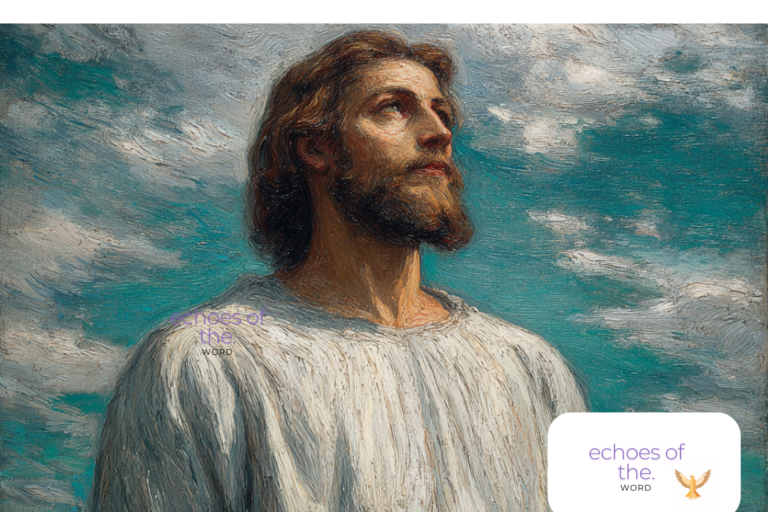
The Echoes of Eternity: Unearthing the Power of Old Testament Preaching in Modern Faith
The quiet hum of our modern lives often drowns out the thunderous pronouncements of ancient prophets. Yet, woven into the very fabric of our religious understanding, particularly within the Christian tradition, lies a foundational wellspring of spiritual guidance: the preaching found in the Old Testament. Far from being a relic of a bygone era, these powerful messages, delivered by figures like Moses, Isaiah, Jeremiah, and Amos, offer timeless truths and practical wisdom that resonate deeply with the challenges and opportunities we face today. Understanding this ancient prophetic voice isn’t just an academic exercise; it’s an invitation to a richer, more robust faith.
The Old Testament isn’t merely a historical record; it’s a vibrant tapestry of divine interaction, a testament to God’s unwavering commitment to humanity and His ongoing work of redemption. Within its narratives and laws, we discover the earliest examples of divine pronouncements, moral exhortations, and calls to repentance. These weren’t simply pronouncements from on high; they were personal and powerful messages delivered to individuals and nations, designed to shape their understanding of God, themselves, and their responsibilities.
Moses: The Lawgiver’s Urgent Call to Covenant Faith
Moses, the towering figure of the Exodus, stands as one of the earliest and most influential preachers in the Old Testament. His sermons, primarily found in the books of Exodus, Leviticus, Numbers, and Deuteronomy, were not just recitations of laws; they were passionate appeals for covenant faithfulness. He didn’t just present rules; he explained their purpose and significance, reminding the newly formed Israelite nation of their unique relationship with God and the blessings and consequences that flowed from it.
Consider the Sermon on the Plain in Deuteronomy 28, where Moses lays out in stark terms the blessings of obedience and the curses of disobedience. He vividly paints pictures of prosperity and flourishing for those who heed God’s commands, contrasting them with images of hardship, scattering, and desolation for those who turn away. This wasn’t a theoretical discussion; it was a life-or-death sermon delivered to a people on the cusp of entering the Promised Land, directly impacting their future. His preaching served to ground them in their identity as God’s chosen people and to equip them with the understanding needed to live in a way that honored their divine covenant.
The Prophets: Voices of Warning and Hope in a Tumultuous World
Later, the Old Testament prophets emerged as divine heralds, speaking truth to power and to the masses alike. Figures like Isaiah, Jeremiah, and Amos were not always popular; their messages often involved stern rebukes of injustice, idolatry, and moral decay. They were the conscience of the nation, calling people back to their covenant obligations and warning of impending judgment if they refused to repent. Their preaching was characterized by its urgency, clarity, and unwavering commitment to God’s justice and righteousness.
Jeremiah, often called the “weeping prophet,” delivered some of the most poignant sermons, lamenting the sins of Judah and predicting the Babylonian exile. Yet, even amidst his pronouncements of doom, he also carried a message of hope. In Jeremiah 31, he foretells a new covenant, a future where God’s law would be written on their hearts, a profound promise that would find its ultimate fulfillment in Christ. This duality of warning and assurance is a hallmark of prophetic preaching, demonstrating God’s persistent love even in the face of human failure.
Isaiah: A Vision of Future Glory and Present Transformation
Isaiah’s prophetic ministry spanned a tumultuous period, and his sermons are a masterful blend of sobering pronouncements and breathtaking visions of future redemption. He spoke of God’s holiness and sovereignty, challenging the people’s complacency and their reliance on human alliances rather than on the Lord. His preaching often included vivid imagery, such as the famous passage in Isaiah 40 describing God as a shepherd tending his flock, or the powerful imagery of the suffering servant in chapter 53, a Messianic prophecy that would resonate for centuries.
Isaiah’s preaching was not just About future events; it was About present transformation. He called for social justice, condemning those who oppressed the poor and exploited the vulnerable. He urged them to “learn to do good; seek justice, correct oppression; bring justice to the fatherless, plead the widow’s cause” (Isaiah 1:17). This call to active righteousness serves as a powerful reminder that true faith isn’t passive; it demands action and a commitment to living out God’s principles in our daily lives, even when it’s difficult.
Amos: The Shepherd’s Uncompromising Stand for Justice
Amos, a humble shepherd from the southern kingdom called to preach in the prosperous northern kingdom of Israel, delivered some of the most uncompromising sermons in the Old Testament. His message was blunt and direct: Israel’s prosperity had led to arrogance and a disregard for the poor and needy. He saw the rampant injustice and exploitation and declared that God would not tolerate it. His preaching was a wake-up call, a stark reminder that superficial religious observance was meaningless without genuine care for one’s neighbor.
Amos’s powerful pronouncements, such as his repeated declaration, “For three transgressions, and for four, I will not revoke the punishment…” (Amos 2:6), served to underline the gravity of their sins. He didn’t shy away from the consequences of their actions, foretelling judgment and exile. Yet, even Amos concludes with a message of restoration and hope, promising a time when the fallen tent of David would be rebuilt and the land would flourish. This demonstrates that even in the most severe critiques, the underlying purpose is redemption and reconciliation.
The Enduring Relevance: How Old Testament Preaching Shapes Our Faith Today
The echoes of Old Testament preaching are not confined to dusty scrolls. They resound in our churches, in our personal devotions, and in the very foundations of our understanding of God. The ethical frameworks, the understanding of sin and redemption, and the prophetic anticipation of a Messiah all find their roots in these ancient pronouncements. When we engage with these sermons, we are not just learning history; we are connecting with a divine conversation that continues to shape our faith journey.
The moral imperatives laid out by Moses and the prophets remain remarkably relevant. Their calls for justice, compassion, honesty, and integrity speak directly to the challenges of our modern world, from economic inequality to social division. Furthermore, the emphasis on God’s sovereignty and faithfulness, even in the face of human failure, provides enduring comfort and a solid foundation for our trust. By listening to the voices of the Old Testament preachers, we can deepen our understanding of God’s character, strengthen our commitment to His ways, and find renewed hope and purpose in our own lives. Their sermons are not just historical artifacts; they are living words, offering eternal wisdom for believers across the ages.
Frequently Asked Questions About Preaching from the Old Testament
Why is preaching from the Old Testament still relevant today?
The Old Testament lays the foundation for our understanding of God’s character, His covenant relationship with humanity, and the unfolding plan of salvation. It reveals timeless truths About justice, mercy, sin, and redemption that continue to speak to the human condition. Furthermore, the Old Testament is essential for understanding the New Testament and the person of Jesus Christ, who is the fulfillment of many Old Testament prophecies and themes.
How can I make Old Testament narratives relatable to a modern audience?
Focus on the universal human experiences within the narratives: struggles with faith, temptation, leadership, family dynamics, and the pursuit of justice. Highlight the character of God as revealed through His actions and His unchanging attributes. Draw out the ethical and moral lessons that transcend specific cultural contexts. Finally, connect the Old Testament stories to Jesus, showing how they point forward to His life, death, and resurrection, which offers ultimate hope and redemption.
What are some common challenges when preaching from the Old Testament, and how can they be overcome?
One challenge is the cultural and historical distance. Overcome this by providing necessary context for the audience, explaining the historical setting, customs, and worldview of the time. Another challenge is the perceived violence or seemingly harsh laws. Address these passages with sensitivity, explaining the historical context, the progressive nature of God’s revelation, and the ultimate fulfillment in Christ’s sacrificial love. It’s also crucial to ensure a Christ-centered interpretation, showing how the Old Testament points to Jesus.
How do I interpret Old Testament law for a contemporary Christian audience?
Old Testament law served multiple purposes: civil, ceremonial, and moral. While many ceremonial and civil laws are no longer binding for Christians, the underlying moral principles remain relevant as they reflect God’s unchanging character. The New Testament, particularly the teachings of Jesus and the apostles, helps us understand how these moral principles are fulfilled and expressed in the context of grace and the indwelling Holy Spirit. It’s About understanding the spirit of the law and applying its underlying righteous principles in a way that honors God and loves our neighbor.
What are key theological themes to emphasize when preaching from the Old Testament?
Key themes include God’s sovereignty and faithfulness, His covenant love and promises, the nature of sin and its consequences, the need for atonement and sacrifice, the concept of justice and righteousness, and the foreshadowing of the Messiah. The overarching theme is God’s unfolding plan of redemption, culminating in Jesus Christ.
How can I effectively preach on Old Testament poetry and wisdom literature (e.g., Psalms, Proverbs)?
For poetry, focus on the emotional and devotional aspects, allowing the text to inspire worship, lament, or thanksgiving. Explore the imagery and metaphors to draw out deeper spiritual meaning. For wisdom literature, emphasize the practical application of godly living, the contrast between wisdom and folly, and the importance of seeking God’s guidance. Connect these texts to the ultimate wisdom found in Christ.
What is the relationship between the Old Testament and the person of Jesus Christ?
The Old Testament consistently points forward to Jesus. He is the fulfillment of numerous prophecies, the antitype of sacrificial offerings, and the embodiment of God’s covenant promises. Understanding the Old Testament enriches our understanding of Jesus’ identity, mission, and the significance of His work on the cross and resurrection. Jesus Himself stated that the Scriptures (referring to the Old Testament) testified About Him.