Unveiling the Power of Prayer Tools: Enhancing Your Connection with the Divine
In the tapestry of human experience, the practice of prayer has long served as a profound anchor, a conduit for seeking solace, strength, and guidance. Whether you’re a seasoned devotee or just beginning to explore the spiritual landscape, understanding and utilizing prayer tools can significantly deepen your connection with the divine. These aren’t mere objects; they are aids that help focus the mind, still the spirit, and amplify the sincerity of your intentions. This article delves into the world of prayer tools, exploring their diverse forms and how they can enrich your religious journey, making your prayers more impactful and your relationship with faith more vibrant.
For many, the idea of “tools” might conjure images of hammers and nails, but in the realm of spirituality, these instruments are designed to build something far more enduring: a stronger connection to something greater than ourselves. They offer a tangible anchor in moments of distraction or doubt, providing a physical focal point for our spiritual aspirations. From ancient traditions to modern innovations, the landscape of prayer tools is rich and varied, offering something for every individual and every faith. Let’s embark on a journey to discover how these aids can transform your prayer life.
The Sacred Spectrum: Diverse Forms of Prayer Tools
The world of prayer tools is as diverse as the faiths they serve, reflecting a universal human desire to communicate with the divine. These tools can range from the exquisitely crafted to the beautifully simple, each designed to facilitate a deeper communion. Understanding this spectrum is the first step in finding the tools that resonate most with your personal spiritual path.
At their core, prayer tools serve as tangible reminders of our spiritual purpose and the presence of the divine. They can be used to mark the progression of prayers, to focus our attention, or to simply provide a sense of comfort and sacredness. Whether it’s the rhythmic counting of beads or the visual meditation on a sacred image, these aids are designed to guide our inner journey and amplify the intention behind our words.
Objects of Devotion: Tangible Aids for Focus and Remembrance
Many prayer traditions incorporate specific objects designed to aid in prayer. These are not worshipped in themselves, but rather serve as sacred focal points and aids to remembrance. For instance, the rosary in Catholicism is a string of beads used to count prayers, specifically the Hail Mary, Our Father, and Glory Be. Each bead represents a prayer, creating a tactile rhythm that helps the devotee stay focused and engaged, moving from one prayer to the next with mindful intention.
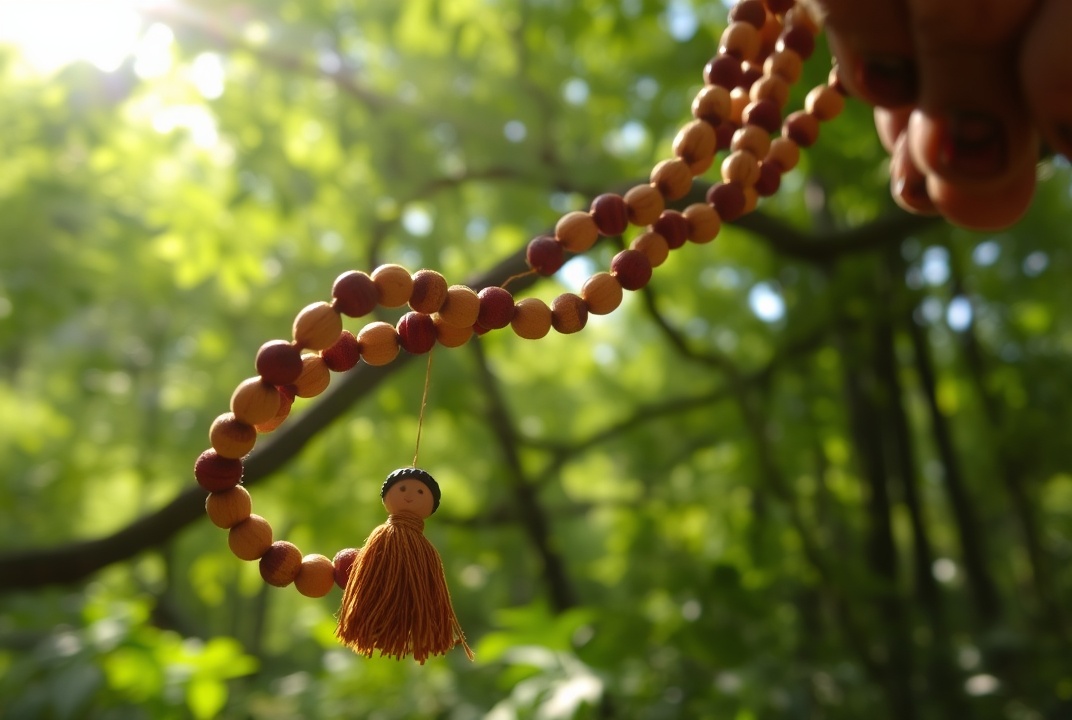
Similarly, in many Eastern religions, mala beads serve a comparable purpose. These are typically strings of 108 beads, used for chanting mantras or reciting prayers. The act of moving the beads through the fingers, one by one, provides a sensory anchor, preventing the mind from wandering. The repetition of the mantra, combined with the physical act of touching each bead, creates a powerful meditative state, allowing the practitioner to immerse themselves more fully in their spiritual practice. Other examples include prayer cloths in some Christian traditions, which are used as tangible reminders of God’s healing power and can be placed on a person or object during prayer.
Sacred Spaces and Symbols: Creating an Atmosphere for Prayer
Beyond individual objects, the creation of a dedicated sacred space is a powerful prayer tool in itself. This could be a corner of a room, a specific chair, or even an entire sanctuary. The intention is to designate a place where one can retreat from the distractions of daily life and enter into a state of prayerful contemplation. Within these spaces, religious symbols play a crucial role. An altar adorned with a cross, a Buddha statue, a menorah, or an Islamic calligraphy can serve as a visual anchor, instantly bringing to mind the core tenets and spirit of one’s faith. These symbols are not just decorations; they are representations of divine principles and historical narratives that inspire and guide the prayerful heart.
The act of creating and maintaining a sacred space, however humble, is a form of prayer. It demonstrates a commitment to nurturing one’s spiritual life and making it a priority. The presence of these symbols within the space can evoke feelings of peace, reverence, and connection, making it easier to transition into a prayerful mindset. For example, a simple prayer rug in Islam, meticulously laid out, signifies a clean and sacred space for submission to Allah, transforming an ordinary floor into a bridge to the divine.
Modern Innovations: Digital and Personal Prayer Tools
While ancient traditions offer a wealth of established prayer tools, contemporary life has also seen the emergence of new and innovative aids. Prayer apps are now widely available, offering guided meditations, daily scripture readings, and even virtual prayer companions. These digital tools can be incredibly useful for those on the go, providing access to prayer resources anytime, anywhere. They often feature customizable prayer lists, reminders, and ways to connect with online prayer communities, extending the reach of personal devotion.
Furthermore, the concept of a personal prayer journal has gained significant traction. This is a space where individuals can record their prayers, reflections, answered prayers, and spiritual insights. The act of writing itself is a powerful form of intentionality, and reviewing past entries can offer profound encouragement and a clear record of one’s spiritual journey. Some journals even include prompts or sections for gratitude lists, helping to cultivate a consistently thankful heart. The ability to track answered prayers in a journal can be an incredibly powerful affirmation of faith and a testament to the efficacy of prayer.
Integrating Prayer Tools into Your Daily Religious Practice
Discovering prayer tools is only the first step; the real transformation happens when we consciously integrate them into our daily religious lives. This integration is not About obligation, but About cultivating a richer, more fulfilling relationship with the divine. It’s About making space for the sacred amidst the everyday.
The key to successful integration lies in consistency and intentionality. It’s About making the use of your chosen prayer tools a natural and recurring part of your day, much like brushing your teeth or having a morning coffee. This doesn’t require hours of dedicated time; even a few minutes spent with your tools can make a significant difference in your spiritual awareness and peace of mind.
Finding the Right Tools for You: Personal Resonance and Purpose
The journey to finding the right prayer tools is deeply personal. What resonates with one person may not resonate with another. Consider your own spiritual background, your current needs, and the traditions that most appeal to you. Are you drawn to the tactile rhythm of beads, the visual inspiration of symbols, or the structured guidance of digital platforms? Experimentation is key.
For example, if you find your mind easily wanders during silent prayer, a prayer rope or a set of mala beads might be an excellent starting point. The physical act of moving the beads can anchor your attention. If you seek a deeper understanding of scripture, a beautifully bound Bible or Quran with a dedicated study guide, or a prayer app with daily readings could be more beneficial. Don’t be afraid to explore different options and combine tools that serve different aspects of your prayer life; a journal can complement the use of rosary beads, for instance.
Creating Rituals and Habits: The Power of Repetition and Intention
The effectiveness of prayer tools is amplified when they are incorporated into regular rituals and habits. These rituals create a predictable structure for your prayer time, making it easier to engage consistently. For instance, you might choose to use your prayer beads every morning as you wake up, before the demands of the day begin. Or perhaps you light a prayer candle in your sacred space each evening as a signal to transition into prayer.
These intentional acts, repeated regularly, begin to condition your mind and spirit for prayer. The scent of the candle, the feel of the beads, the sight of a familiar symbol – these sensory cues become powerful triggers for a prayerful state. The repetition imbues the practice with meaning, transforming mere actions into sacred gestures. This mindful repetition is not About rote performance, but About deepening engagement and fostering a consistent dialogue with the divine. Think of it like tending to a garden; regular watering and care (your prayer rituals) allow the plants (your spiritual growth) to flourish.
Overcoming Obstacles: When Prayer Feels Difficult
There will inevitably be times when prayer feels challenging or your mind is particularly restless. This is a normal part of the human experience, and it’s precisely in these moments that prayer tools can be most valuable. When words fail or focus eludes you, simply holding a cherished prayer object or looking at a meaningful religious artifact can provide a sense of connection and reassurance.
Don’t view these moments as failures, but as opportunities to practice patience and self-compassion. Sometimes, the prayer itself is simply to sit with an open heart, even if no specific words are spoken. A prayer shawl, for instance, can offer a comforting embrace, a tangible reminder of divine love and support when you’re feeling overwhelmed. The goal is not always eloquent speech, but authentic presence. Even the act of gently touching a prayer stone can be a form of silent communion, a non-verbal expression of your spiritual longing.
In the grand symphony of religious life, prayer tools are not the melody itself, but the instruments that help us play it with greater harmony and depth. They are bridges built from intention, tangible aids that guide us toward a more profound and intimate connection with the divine. Whether you are drawn to the ancient wisdom of rosaries and malas, the comforting presence of sacred symbols, or the convenience of modern digital aids, the world of prayer tools offers a rich landscape for spiritual exploration.
Embracing these aids is an invitation to deepen your faith, to find greater peace in moments of turmoil, and to amplify the sincerity of your intentions. They are not substitutes for genuine devotion, but rather extensions of it, helping to focus our minds, still our hearts, and open our spirits to the grace that surrounds us. May your journey with prayer tools be one of discovery, connection, and ever-deepening spiritual fulfillment.
Frequently Asked Questions About Prayer Tools
What are prayer tools?
Prayer tools are objects or aids that individuals use to enhance or focus their prayer practices. These can range from physical items carried or displayed to digital applications.
What are some common types of prayer tools?
Common prayer tools include rosaries, prayer beads (like malas or tasbihs), prayer rugs, prayer books, devotional candles, incense, and religious imagery. In modern times, prayer apps and digital rosaries are also utilized.
How do prayer tools aid in prayer?
Prayer tools can help by providing a tactile focus, aiding in counting repetitions of prayers or mantras, creating a sacred atmosphere, and serving as reminders of one’s faith and commitment to prayer.
Are prayer tools specific to certain religions?
While some prayer tools are strongly associated with particular religions (e.g., rosaries with Catholicism, malas with Buddhism and Hinduism), many are used across different faiths or have variations within them. The intention and personal connection to the tool are often more important than its origin.
Can anyone use prayer tools, regardless of their religion?
Generally, yes. While prayer tools are often developed within specific religious traditions, individuals from any background can use them as personal aids for meditation, reflection, or spiritual practice, provided they do so with respect for the tool’s potential religious significance.
How do I choose a prayer tool?
The best prayer tool is one that resonates with you personally and supports your individual prayer or meditation practice. Consider what feels meaningful, comfortable, and conducive to focus for your needs.