Have you ever felt a deep longing for a life dedicated to something profoundly spiritual, a existence set apart from the clamor of the everyday? Perhaps the whispers of monasticism have reached your heart, suggesting a path of prayer, contemplation, and service. The idea of becoming a Christian monk, though seemingly distant and perhaps even a little mysterious, is a genuine and attainable calling for many. It’s a journey that doesn’t begin with a sudden, dramatic event, but rather with a gradual unfolding of spiritual desire and a sincere commitment to God.
This article will guide you through the essential steps and considerations for those who feel drawn to this unique way of life. We will explore the inner calling, investigate the practical aspects of monastic life, and shed light on the transformative journey that awaits. Understanding how to become a Christian monk is About more than just joining an order; it’s About discovering a deeper dimension of your faith and committing to a life that prioritizes the divine above all else.
Understanding the Monastic Vocation: A Calling Within
The first and most crucial step in understanding how to become a Christian monk is to recognize that this path is fundamentally a vocation, a divine calling. It’s not a career choice, nor is it a retreat from the world out of fear or dissatisfaction. Instead, it’s a positive and intentional embrace of a life devoted to God. This calling often begins as a persistent feeling, a sense of unrest with superficial pursuits and a yearning for a more intimate relationship with the Creator.
Many people who eventually become monks describe a growing awareness of God’s presence in their lives, a feeling that their true purpose lies in serving Him exclusively. This isn’t always a thunderous revelation; often, it’s a quiet, persistent nudge. Think of it like a seed planted in fertile ground. At first, you might not see much, but with consistent nurturing and attention, that seed will eventually sprout and grow into something substantial. This inner prompting, coupled with a deep love for Christ and a desire to live according to His teachings, is the bedrock of any monastic vocation.
Cultivating the Inner Life: Prayer, Scripture, and Silence
Before even considering a specific monastery, a prospective monk needs to cultivate a rich inner life. This involves a disciplined practice of prayer, not just reciting words, but engaging in contemplative prayer – a deep, loving conversation with God. Regularly engaging with Scripture is also paramount, allowing God’s word to shape your thoughts and desires. Furthermore, embracing periods of silence can be incredibly formative, providing the space for God’s voice to be heard more clearly amidst the noise of the world.
Consider the example of a musician preparing for a concert. They don’t simply show up and play. They spend countless hours practicing their instrument, studying the score, and honing their technique. Similarly, a person exploring how to become a Christian monk must dedicate themselves to spiritual disciplines. This includes meditation on the Gospels, examination of conscience, and seeking spiritual direction from a trusted advisor. These practices are not optional extras; they are the very tools that build the spiritual muscles necessary for monastic life.
Exploring Different Monastic Traditions
Christian monasticism is far from monolithic. There are numerous orders and traditions, each with its own unique charism, spirituality, and way of life. Understanding these differences is a vital part of discerning your own calling. Some orders are contemplative, focusing primarily on prayer and silence, while others are active, dedicating themselves to works of charity, education, or healthcare.
Researching different monastic communities is an essential step. For instance, the Benedictines are known for their emphasis on prayer, work, and hospitality, often following the motto “Ora et Labora” (Pray and Work). The Cistercians, a branch of the Benedictines, often embrace a more austere lifestyle. Then there are orders like the Franciscans, with their emphasis on poverty and evangelical poverty, or the Dominicans, known for their commitment to preaching and study. To embark on the journey of how to become a Christian monk, you must first identify which tradition resonates most deeply with your heart and spiritual inclinations. Online resources, books, and conversations with those already living the monastic life can provide invaluable insights.
The Practical Steps: Discerning and Engaging
Once you have a burgeoning sense of calling and have begun to cultivate your inner life, the practical steps begin. This is where your exploration of how to become a Christian monk moves from internal reflection to external engagement. It’s a process of testing your vocation and allowing a community to assess your suitability for their way of life. This phase is characterized by humility, patience, and a willingness to be guided.
The journey often starts with informal inquiries. You might reach out to a monastery that interests you, perhaps by visiting their website, attending a retreat, or even writing a letter to the abbot or prioress. This initial contact is About gathering information and expressing your interest. It’s a way of saying, “I feel drawn to this, and I’d like to learn more.” Be prepared for a thoughtful and often lengthy response; monastic communities are deliberate in their discernment processes.
Visiting Monasteries: Experiencing the Life Firsthand
The most effective way to understand how to become a Christian monk is to experience monastic life directly. Most communities offer opportunities for guest stays, allowing individuals to live within the monastery walls for a period of time, participating in the daily rhythm of prayer, work, and community life. This is not a vacation; it’s a period of immersion and discernment.
During your visit, pay close attention to how you feel. Does the rhythm of prayer resonate with you? Can you see yourself finding joy and fulfillment in the structured routine? How do you interact with the monastic community? These visits are crucial for both you and the community to assess the fit. Think of it as a trial period, a chance to see if the monastic life is truly where you belong. It’s a time to listen not only to your own heart but also to the wisdom of those who have walked this path for years.
The Stages of Formation: Novitiate and Vows
If, after visiting and continued discernment, you and the monastic community feel a strong sense of suitability, you will likely be invited to enter the novitiate. This is the formal period of training and preparation for monastic life. The novice learns the rule and constitution of the order, deepens their prayer life, and learns the practical skills necessary for community living. This is a time of intense learning, spiritual growth, and further testing of your vocation.
Following the novitiate, you will typically take temporary vows, often for a period of one to three years. These vows are usually those of poverty, chastity, and obedience. Taking temporary vows is a significant commitment, a public declaration of your intention to live the monastic life for a defined period. It’s a step beyond mere exploration, marking a more serious engagement with the path of how to become a Christian monk.
Eventually, if your vocation continues to be confirmed, you will have the opportunity to take perpetual vows. This is the culmination of the formation process, a lifelong commitment to the monastic way of life within a specific community. This is a sacred and solemn occasion, a complete offering of yourself to God within the framework of religious vows.
Living the Monastic Life: Transformation and Service
The journey of how to become a Christian monk doesn’t end with taking vows; it is, in fact, a continuous process of transformation and deepening commitment. Monastic life is not About escaping the world, but About finding God within the world, and then serving Him through your life and witness. It’s a life characterized by simplicity, community, and a profound dedication to prayer.
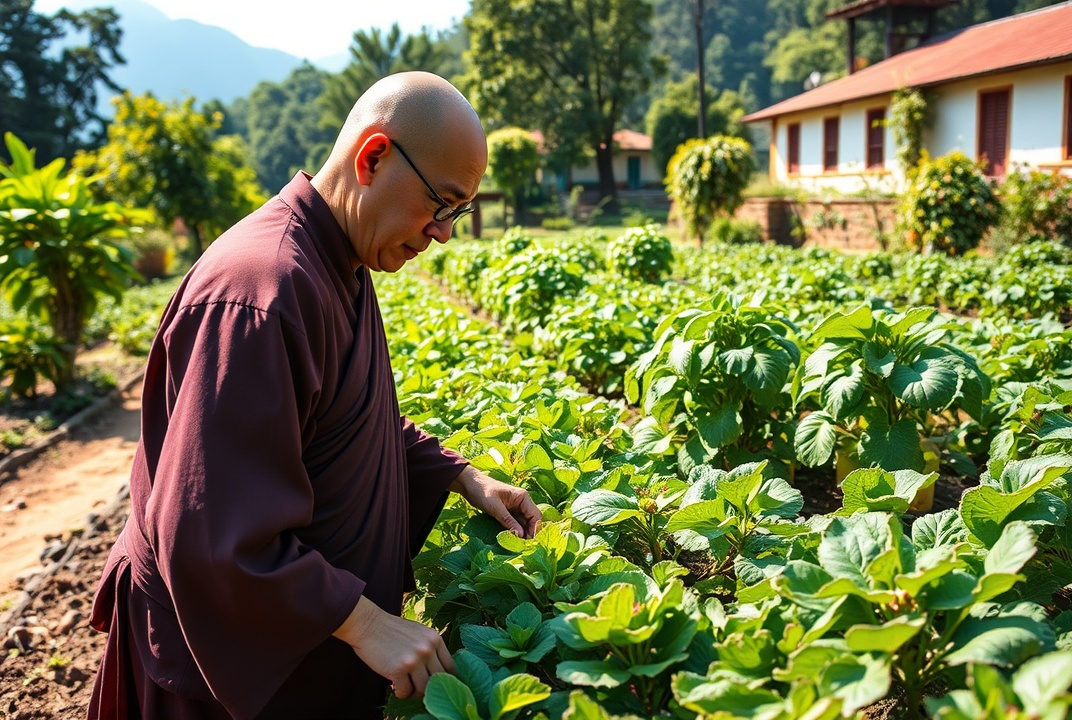
The daily rhythm of monastic life, often referred to as the “divine office” or “liturgy of the hours,” structures the day around periods of prayer at set times. This constant turning towards God keeps the focus firmly on the spiritual. Alongside prayer, work (labora) is considered an integral part of monastic life, seen as a form of worship and submission to God’s will. This work can vary widely, from manual labor in gardens and workshops to intellectual pursuits like writing and scholarship.
The Pillars of Monasticism: Prayer, Work, and Community
The three pillars that support monastic life are prayer, work, and community. These are not separate entities but are interwoven into the fabric of daily existence. Prayer is the foundation, the constant communion with God that sustains the monk. Work is the practical expression of faith, a way to contribute to the community and to the wider world, all done with an attitude of service. Community is where the monk lives out their vows, sharing life, supporting one another, and learning to love each other as Christ loves them.
Living in community presents its own unique challenges and blessings. It requires patience, forgiveness, and a willingness to put the needs of others before your own. This constant interaction with brothers or sisters in Christ, striving towards a common spiritual goal, is a powerful crucible for spiritual growth. It’s in the everyday interactions, the shared meals, and the communal prayers that real transformation occurs.
A Life of Witness and Service
While some monastic orders are primarily contemplative, most also engage in some form of service to the wider world. This might involve welcoming guests and pilgrims, offering spiritual direction, working in schools or hospitals, or engaging in charitable works. The monk’s life, even in its solitude, is a powerful witness to the reality of God’s love and the possibility of a life dedicated to Him.
The question “how to become a Christian monk” ultimately leads to a deeper understanding of how to live a life wholly surrendered to God. It’s a path of radical discipleship, a commitment to following Christ in a profound and transformative way. It’s a journey that, for the right person, offers an unparalleled opportunity for spiritual growth, deep peace, and a life lived in service to the One who is worthy of all devotion. If this path calls to you, embrace the discernment, trust in God’s guidance, and step boldly onto this ancient and beautiful way of life.
Frequently Asked Questions: Becoming a Christian Monk
What is a Christian monk?
A Christian monk is a man who has chosen to dedicate his life to God through vows of poverty, chastity, and obedience within a monastic community. Monks typically live a life of prayer, contemplation, manual labor, and communal living, often following a specific Rule or way of life established by a particular order.
The core principles are usually centered around the evangelical counsels: poverty (detachment from material possessions), chastity (celibacy), and obedience (submission to the abbot or superior and the monastic community’s rule). Prayer, both communal and private, is paramount, as is a life of work and service.
Do I need to have a specific theological background to become a monk?
While a sincere faith and a desire for God are essential, a deep theological background is not always a prerequisite. Most monastic communities offer formation programs that will educate candidates in theology, scripture, and the specific traditions of their order.
What is the process for becoming a Christian monk?
The process typically begins with an inquiry, followed by periods of discernment. This usually involves visiting a monastery, spending time in prayer and reflection, and speaking with monks. If there is a mutual sense of calling, a candidate may enter a period of postulancy, followed by novitiate, and eventually take solemn vows.
How long does it take to become a monk?
The path to solemn vows is a long one, varying by order but generally spanning several years. It includes a period of postulancy (often 6 months to a year) and a novitiate (typically one to two years), after which temporary vows are taken for a set period before the possibility of making perpetual, solemn vows.
Can I be a monk and still have contact with my family?
This varies significantly between monastic orders and even individual monasteries. Some communities have strict rules About contact with the outside world, while others are more relaxed. During the initial stages of formation, visits may be limited, but once vows are taken, the level of contact is usually determined by the abbot or superior in consultation with the monk.
What kind of work do monks do?
Monks engage in a variety of work, often referred to as “ora et labora” (prayer and work). This can include manual labor such as farming, gardening, carpentry, or maintenance, as well as intellectual work like writing, teaching, or theological study. The specific work often depends on the needs and traditions of the monastery.
What are the different types of Christian monasticism?
There are various traditions, including Benedictine, Cistercian, Trappist, Carthusian, and Orthodox monasticism, each with its own distinct practices, emphasis, and rules. Some orders are more contemplative, while others have a stronger focus on service and apostolate.
Can I leave monastic life if it’s not for me?
Yes, absolutely. The initial stages of discernment and formation are designed for the candidate and the community to assess the suitability of the vocation. If a person decides monastic life is not their calling, they are free to leave, especially before taking solemn vows.
Where can I find a monastery to explore this path?
You can research different monastic orders and their monasteries online. Many monastic communities have websites that provide information About their way of life, vocations, and contact details for inquiries. Visiting monasteries for retreats or a period of discernment is highly recommended.