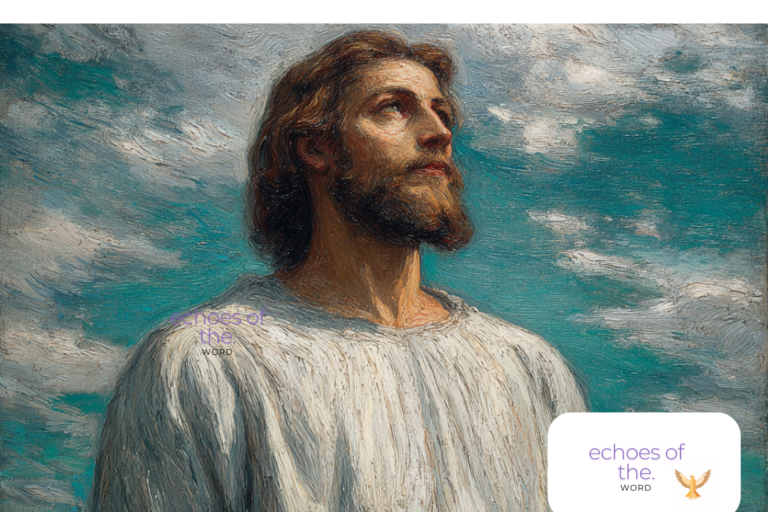
The Enduring Pillars: Understanding the Tenets of Christian Faith
Religion, in its myriad forms, offers humanity a framework for understanding our place in the universe, guiding our moral compass, and providing solace in times of trial. Among these, Christian faith stands as a colossal force, shaping civilizations and individual lives for millennia. But what are the foundational beliefs, the tenets of Christian faith, that have captivated and sustained billions? This article aims to demystify these core principles, making them accessible and relatable to anyone seeking to understand this profound and influential religion.
At its heart, Christianity is not merely a set of doctrines but a transformative relationship, a journey of faith rooted in the life, teachings, death, and resurrection of Jesus Christ. These pivotal events are the bedrock upon which all other beliefs are built. To grasp the essence of Christian faith is to understand that it is a living, breathing expression of God’s love for humanity, a narrative of redemption and hope that continues to resonate across cultures and generations.
The Cornerstone: The Deity and Humanity of Jesus Christ
Perhaps the most central tenet of Christian faith is the unique identity of Jesus Christ. Christians believe that Jesus is not just a wise teacher or a prophet, but the Son of God, fully divine and fully human. This concept, known as the Incarnation, is a profound mystery, asserting that God Himself entered the human realm in the person of Jesus. This dual nature is crucial; as divine, Jesus possesses the authority and power to atone for sin and offer salvation. As human, he experienced the fullness of human life, including suffering and temptation, making him a relatable and compassionate savior.
The belief in Jesus’ divinity means that he is seen as more than a historical figure. He is considered the Savior of the world. His life, miracles, teachings on love and forgiveness, and ultimately his sacrificial death on the cross, are understood as the means by which humanity can be reconciled with God. This atonement is a key tenet, offering a path to forgiveness of sins and the promise of eternal life to those who place their faith in him. For instance, imagine a child who has broken a precious vase. The parent, out of love, steps in to pay for the repairs, freeing the child from the consequence of their actions. Similarly, Christians believe Jesus paid the ultimate price for humanity’s transgressions.
The Significance of the Cross and Resurrection
The crucifixion of Jesus is not viewed as a tragedy but as a victorious sacrifice. It is understood as the fulfillment of God’s plan to redeem humanity from the power of sin and death. Through his death, Jesus bore the weight of all human wrongdoing, offering a clean slate to those who repent and believe. This act of atonement is a cornerstone of Christian theology, providing a tangible expression of God’s immense love and justice. It’s a profound act of grace, a gift freely given, not earned.
Equally vital is the resurrection of Jesus. This event, the third day after his crucifixion, is the ultimate proof of Jesus’ divine power and the confirmation of his claims. The resurrection signifies victory over death and the promise of eternal life for believers. It assures Christians that their faith is not in vain and that death is not the end, but a transition to a continued existence with God. This hope of resurrection is a powerful motivator, encouraging believers to live faithfully, knowing that their efforts and sacrifices are not ultimately lost.
Another fundamental tenet of Christian faith is the doctrine of the Trinity. Christians believe in one God, who exists eternally in three co-equal persons: God the Father, God the Son (Jesus Christ), and God the Holy Spirit. This is not to say there are three gods, but rather one God in three distinct yet inseparable manifestations. This concept can be challenging to grasp, but it is essential to understanding the Christian view of God’s nature and His interaction with the world.
Think of water, which can exist as ice, liquid, or steam – three forms, yet all are still water. Similarly, the Trinity is understood as God revealing Himself in different, yet unified, ways. God the Father is seen as the Creator and Sustainer of all things, the source of all power and authority. God the Son is the Redeemer, who came to earth to save humanity. God the Holy Spirit is the Comforter, Guide, and Empowerer, who indwells believers and helps them to live out their faith. This unified yet distinct nature of God informs every aspect of Christian life and worship.
The Role of the Holy Spirit
The Holy Spirit plays a crucial, active role in the lives of Christians. He is believed to be the presence of God in the world and within believers. The Holy Spirit regenerates those who believe, giving them new spiritual life. He guides them into truth, helps them understand scripture, and empowers them to live a life that is pleasing to God. This is often described as sanctification, the ongoing process of becoming more like Christ.
Furthermore, the Holy Spirit bestows spiritual gifts upon believers, equipping them to serve the church and the world. These gifts can range from teaching and prophecy to healing and administration. The presence and work of the Holy Spirit are what enable Christians to live out their faith, to love their neighbors, and to overcome the challenges of life with divine strength. It’s through the Spirit that the abstract tenets of faith become a tangible, lived reality.
Salvation and the Path to Redemption
The concept of salvation is undeniably a central tenet of Christian faith. It refers to the deliverance from sin and its consequences, and the restoration of a right relationship with God. Christians believe that humanity is inherently sinful, separated from God due to disobedience. This original sin affects all people, leading to spiritual death and eventual separation from God if not addressed. The path to salvation is therefore a critical aspect of understanding Christian belief.
Salvation is understood as a gift of grace, received through faith in Jesus Christ. It is not earned through good works, although good works are a natural outflow of a transformed life. The core message is that Jesus’ sacrifice on the cross paid the penalty for sin, and through believing in Him, repenting of sins, and accepting His atonement, individuals can be forgiven and reconciled to God. This is a message of hope and reconciliation, offering freedom from the burden of guilt and the promise of an eternal inheritance.
Faith is the crucial element in receiving salvation. It is not mere intellectual assent but a trusting reliance on Jesus Christ and His finished work on the cross. It involves believing that He is who He claims to be – the Son of God – and that His sacrifice is sufficient for the forgiveness of sins. This active faith leads to a transformed life, characterized by a desire to follow Christ’s teachings.
Repentance is the turning away from sin and towards God. It involves acknowledging one’s sinfulness, feeling genuine sorrow for wrongdoing, and making a conscious decision to abandon sinful practices. This is not About achieving a state of sinlessness, which is impossible in this life, but About a fundamental shift in allegiance. Grace is the unmerited favor of God, the boundless love and mercy He extends to humanity, making salvation possible. It is through this divine grace that the requirements of a holy God are met, not by human effort.
The Authority of Scripture and the Christian Life
The Bible is considered by Christians to be the inspired Word of God, a divinely authored collection of writings that serves as the ultimate authority for faith and practice. This is a significant tenet, meaning that believers look to the Bible for guidance on all matters of life, doctrine, and morality. It is seen as a revealed truth from God, offering wisdom, instruction, and a roadmap for living a life that honors Him.
The Bible encompasses both the Old Testament, which lays the foundation for God’s covenant with humanity and foreshadows the coming of the Messiah, and the New Testament, which details the life and teachings of Jesus Christ and the early spread of Christianity. Reading and studying the Scriptures is a vital spiritual discipline for Christians, enabling them to grow in their understanding of God and His will. It is the wellspring from which the practical application of the tenets of Christian faith flows.
Living Out the Faith: Love, Service, and Community
The Christian faith is not meant to be a solitary pursuit but a lived experience that deeply impacts how believers relate to others and to the world. A core tenet is the command to love God with all one’s heart, soul, and mind, and to love one’s neighbor as oneself. This love is not merely an emotion but a practical demonstration of Christ’s teachings. It calls for compassion, forgiveness, generosity, and a commitment to justice.
Furthermore, Christians are called to serve others, following Jesus’ example of selfless service. This can manifest in various ways, from acts of charity and social justice to simply being a supportive presence in the lives of those around them. The concept of community is also vital. The church, understood as the body of Christ on earth, provides a place for believers to worship together, encourage one another, and collectively carry out God’s mission in the world. This communal aspect strengthens faith and provides accountability and support, allowing the tenets of Christian faith to be lived out in a tangible, communal way.
Frequently Asked Questions About the Tenets of the Christian Faith
What is the core belief of Christianity?
The central tenet of Christianity is the belief in Jesus Christ as the Son of God and the Savior of humanity. Christians believe that Jesus’ life, death, and resurrection offer salvation and eternal life to those who have faith in him.
What is the Holy Trinity?
The Holy Trinity is the doctrine that God is one God, but exists as three co-equal and co-eternal persons: God the Father, God the Son (Jesus Christ), and God the Holy Spirit.
What is the significance of the Bible in Christianity?
The Bible, comprising the Old and New Testaments, is considered the inspired Word of God by Christians. It serves as the primary source of authority for Christian doctrine, practice, and understanding of God’s will.
What is the concept of salvation in Christianity?
Salvation, in Christian theology, refers to the deliverance from sin and its consequences (spiritual death and separation from God) through faith in Jesus Christ’s atoning sacrifice. It is understood as a gift from God, received by grace through faith.
What role does Jesus Christ play in Christian faith?
Jesus Christ is central to Christian faith. He is believed to be fully God and fully human, who lived a sinless life, died on the cross to atone for the sins of humanity, and rose again, conquering death. His teachings and example guide Christian life.
What is the purpose of the Church for Christians?
The Church is understood as the community of believers, the body of Christ on Earth. Its purpose includes worshiping God, fellowship among believers, teaching and spreading the Christian message (evangelism), and serving others.
What are the key moral teachings in Christianity?
Key moral teachings include love for God and love for neighbor, as exemplified by Jesus’ teachings on the commandments. This encompasses forgiveness, compassion, humility, justice, and service.
What is the Christian understanding of sin?
Sin is understood as any action, thought, or attitude that goes against God’s will and nature. It is seen as a rebellion against God that separates humanity from Him and leads to spiritual death.
What is the significance of baptism and communion (the Lord’s Supper)?
Baptism is an ordinance symbolizing spiritual cleansing, new life in Christ, and membership in the Christian community. Communion (the Lord’s Supper) is a sacrament commemorating Jesus’ last meal with his disciples, symbolizing his sacrificial death and the ongoing covenant between God and believers.
What is the Christian hope for the future?
Christians hold a hope for the future that includes the return of Jesus Christ, the resurrection of the dead, and the establishment of God’s eternal kingdom, characterized by righteousness, peace, and the absence of suffering.