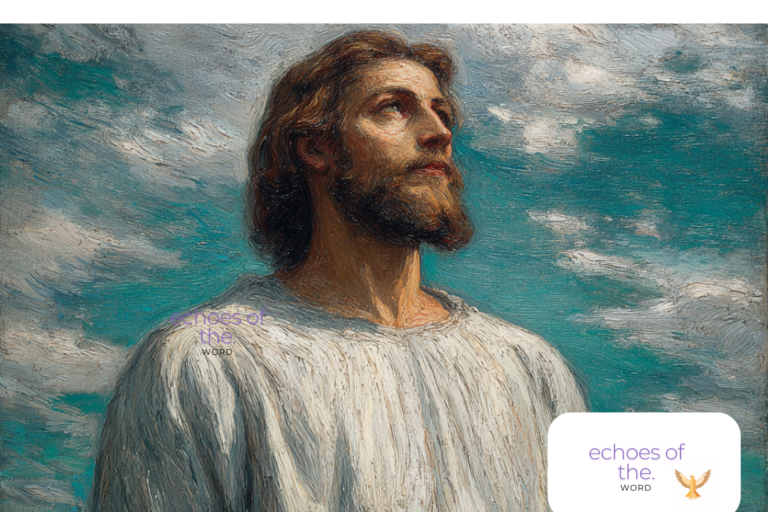
Prophetic Words: Whispers from the Divine in Our Everyday Lives
The concept of prophetic words has resonated through human history, sparking both awe and skepticism. These are not mere predictions of the weather or stock market fluctuations; rather, they are often understood as divine messages, insights, or warnings conveyed through individuals deemed to be conduits of a higher power. Within the vast tapestry of religion, prophetic utterances have played a pivotal role in shaping beliefs, guiding communities, and inspiring generations. They can feel like a sudden flash of understanding, a gentle nudge towards a certain path, or even a stern admonishment to change course. The weight of a prophetic word, when truly received, can be profound, capable of shifting individual perspectives and collective destinies.
But what does it truly mean to encounter a prophetic word in a modern context? Is it a dramatic pronouncement from a cloaked figure, or something more subtle, woven into the fabric of our daily spiritual journeys? This article aims to explore the multifaceted nature of prophetic words within religious traditions, making them relatable and informative for anyone seeking to understand their significance and potential impact. We’ll delve into how these divine whispers are interpreted, how they can offer guidance, and why they continue to hold such a powerful place in the human quest for meaning and connection.
The Echoes of Prophecy: A Historical and Religious Perspective
Across the globe and throughout recorded history, many religions have featured prominent figures whose pronouncements are considered prophetic words. Think of the ancient Hebrew prophets like Isaiah and Jeremiah, whose messages of social justice, repentance, and future redemption continue to be studied and revered. Their words weren’t just abstract pronouncements; they were calls to action, often delivered in times of national crisis, urging their people to return to righteous living. Similarly, in Islam, the Quran is considered the literal word of God revealed to the Prophet Muhammad, and his own sayings and actions, known as Hadith, are also seen as a source of divine guidance and prophetic wisdom. Even in traditions less explicitly focused on individual prophets, there are concepts of divine inspiration and foresight that echo the spirit of prophetic utterance.
These historical examples highlight a common thread: prophetic words are often linked to a sense of urgency, a divine imperative to communicate truths that transcend the ordinary. They can be declarations of God’s favor or displeasure, warnings of impending consequences, or assurances of future hope. The power of these messages lies not just in their content, but in the conviction of their delivery and the transformative effect they have had on believers. From guiding the Israelites through exile to providing a moral compass for countless individuals, the legacy of prophetic words is undeniable, demonstrating their enduring relevance in the practice of religion.
Decoding the Divine: Interpretation and Discernment of Prophetic Words
The reception and understanding of prophetic words are rarely straightforward. It requires a process of careful interpretation and, crucially, discernment. When someone speaks a word they believe to be prophetic, the recipient must prayerfully consider its source, its alignment with established religious teachings, and its overall fruit. Does it bring peace or turmoil? Does it inspire love and growth, or fear and division? For instance, a prophetic word that encourages someone to leave a toxic situation and seek a healthier environment would likely be seen as a positive and discerning message, whereas a prediction of doom without a path to mitigation might be approached with more caution and prayer.
This process of discernment is particularly important because not all pronouncements that claim to be prophetic are necessarily so. Spiritual traditions often emphasize the need to test the spirits and weigh the messages. Key questions to ask when encountering what might be a prophetic word include:
Does it align with the core tenets of my faith tradition?
Does it inspire love, compassion, and positive action?
Does it lead to greater intimacy with the divine?
Is it delivered with humility and without manipulation?
By engaging in thoughtful reflection and seeking wisdom from trusted spiritual guides, individuals can better navigate the landscape of prophetic utterance and distinguish genuine divine insight from mere human opinion or misguided pronouncements.
Prophetic Words in Practice: Guidance and Transformation
The practical application of prophetic words can be incredibly transformative. They are not meant to be static pronouncements but dynamic messages that can guide individuals through life’s complex decisions and challenges. Imagine a young person feeling lost About their career path. A prophetic word might not give them a specific job title, but it might illuminate a particular talent they possess, a passion they haven’t fully explored, or a principle they should live by in their professional life. This kind of guidance empowers them to make their own informed choices, rather than simply obeying a directive.
Furthermore, prophetic words can act as powerful catalysts for personal and spiritual growth. They can reveal blind spots, call us to repentance, or simply remind us of our inherent worth and potential in the eyes of the divine. A prophetic word might gently challenge pride, encourage forgiveness, or inspire greater acts of faith. The key is that these are often internalized, becoming guiding principles that shape our character and actions over time. This ongoing dialogue between the divine and the individual, facilitated by prophetic utterance, is central to a vibrant and evolving spiritual life.
Modern Manifestations: Prophecy in Contemporary Religion
In the modern era, the expression of prophetic words continues to evolve. While the dramatic pronouncements of ancient prophets may be less common, the spirit of divine insight and guidance is very much alive within various religious communities. Many believers describe receiving what they perceive as prophetic words through prayer, meditation, dreams, or even through the inspired words of others in their faith community. These are often subtle nudges, moments of profound clarity, or intuitive understandings that seem to come from beyond our own conscious thought.
Examples abound. A pastor might feel compelled to deliver a sermon that deeply resonates with a specific congregation member’s private struggles, feeling it as a prophetic word for them. A spiritual mentor might offer counsel that strikes a chord as divinely ordained wisdom. Even in secular contexts, some people describe moments of intense intuition or insight that feel like a whisper of truth from a higher source. The common thread is a sense of something beyond the ordinary, a message that carries weight and has the potential to guide, comfort, or challenge us. Understanding these modern manifestations requires an open heart and a willingness to listen to the subtle, yet powerful, ways the divine may communicate in our lives, enriching our understanding of religion.
The Enduring Power of Prophetic Words
Regardless of specific religious affiliation, the concept of prophetic words speaks to a universal human longing for connection with something greater than ourselves. It’s the belief that there are truths and insights available to us that can illuminate our path, offer solace in times of trouble, and inspire us to live more fully and purposefully. Whether seen as direct divine communication, deep spiritual intuition, or a profound form of collective wisdom, these utterances continue to shape the spiritual landscape and offer a source of hope and guidance.
Ultimately, the journey of engaging with prophetic words is a personal one. It requires humility, discernment, and an open heart ready to receive whatever divine whispers may come. By understanding their historical significance, their interpretive challenges, and their potential for transformation, we can better appreciate the enduring power of these divine messages within the rich tapestry of religion and in our own individual spiritual journeys.
Frequently Asked Questions About Prophetic Words and Religion
What is a prophetic word?
A prophetic word is generally understood as a message believed to be divinely inspired, often conveying guidance, warning, encouragement, or revelation About the future or present circumstances. These messages are typically attributed to God or a spiritual entity and are delivered through a person perceived to be a prophet or a conduit for divine communication.
How are prophetic words received?
Interpretations of how prophetic words are received vary across religions and denominations. Common beliefs include direct revelation through visions, dreams, inner promptings, or audible messages. Some traditions also believe that prophetic insights can be discerned through prayer, meditation, study of scripture, or observed patterns in the world that are seen as signs of divine will.
Prophetic words are not always meant to be understood as literal, deterministic predictions of future events. Many theological perspectives emphasize that prophecy often carries conditional elements, spiritual insights, or allegorical meanings. The purpose can be to influence behavior, foster faith, or reveal underlying spiritual truths rather than to provide an unchangeable blueprint of the future.
What is the role of prophetic words in different religions?
The role of prophetic words differs significantly. In Abrahamic religions (Judaism, Christianity, Islam), prophets played a crucial role in establishing religious traditions, conveying divine law, and guiding their communities. In some Christian denominations, contemporary prophetic ministry is seen as a valid gift that continues to function within the church for edification and guidance. Other religions may have similar concepts of divine inspiration or messages, though the terminology and specific practices may vary.
How should one discern the authenticity of a prophetic word?
Discernment is a key aspect of dealing with prophetic words. Common criteria for evaluation often include:
Biblical/Scriptural Alignment: Does the word align with established religious texts and doctrines?
Fruit of the Spirit: Does the word promote love, joy, peace, patience, kindness, goodness, faithfulness, gentleness, and self-control?
Character of the Messenger: Does the person delivering the word exhibit godly character and humility?
Community Confirmation: In some traditions, prophetic words are tested and confirmed by other mature spiritual leaders or the broader community.
Peace and Confirmation: Does the word bring a sense of peace and inner confirmation, or does it create confusion and distress?
Can prophetic words contradict scripture?
Most religious traditions hold that authentic prophetic words will not contradict foundational scriptures or established religious tenets. Scripture is often considered the ultimate standard against which all spiritual claims, including prophetic utterances, are measured. If a word appears to contradict core beliefs, it is typically regarded with skepticism.
What is the relationship between religion and prophecy?
Religion and prophecy are often deeply intertwined. Many religions are founded on prophetic revelations, and the continuation of prophecy is sometimes seen as essential for the spiritual vitality and guidance of a religious community. Prophets often serve as links between the divine and the human, shaping religious beliefs, practices, and ethical frameworks.
Are there dangers associated with prophetic words?
Yes, there can be dangers. Misinterpretation, manipulation, or the delivery of false prophecies can lead individuals astray, cause spiritual harm, or foster unhealthy dependence on a particular messenger. It is important to approach prophetic words with wisdom, discernment, and a grounding in established religious teachings.