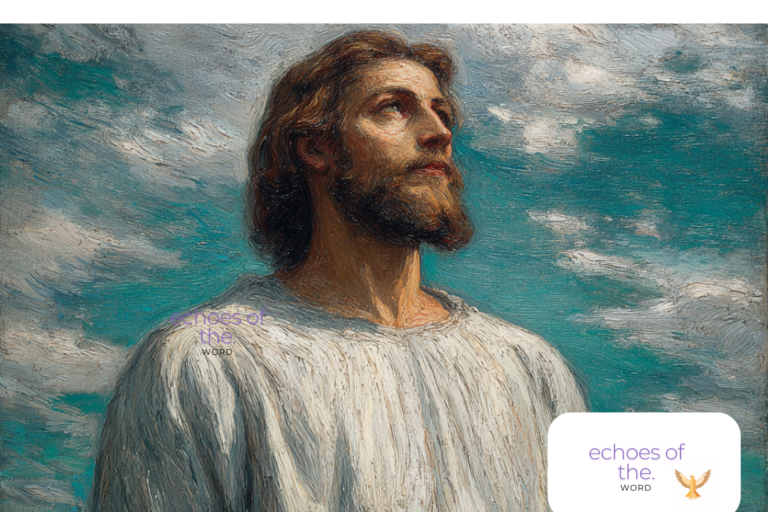
The Enduring Hope of Maranatha: A Journey Through Faith and Scripture
The tapestry of religious belief is woven with threads of anticipation, of a future yet to unfold, and a longing for divine intervention. At the heart of this yearning for many Christians lies a powerful and evocative phrase: “Maranatha.” This ancient Aramaic utterance, often translated as “Our Lord, come!” or “Come, Lord Jesus!”, encapsulates a profound hope for Christ’s return and the ultimate fulfillment of God’s promises. Exploring the significance of Maranatha Bible within the broader context of Christian faith offers a rich understanding of this enduring expectation.
This article will delve into the meaning, biblical foundations, and practical implications of the Maranatha cry. We will examine how this simple yet profound declaration has resonated through the ages, offering comfort, motivation, and a steadfast anchor in a world often marked by uncertainty. By understanding the Maranatha Bible and its theological weight, we can gain a deeper appreciation for the Christian narrative of hope and redemption.
The power of Maranatha lies in its origins. Spoken in Aramaic, the common language of Jesus and his disciples, the word carries a directness and intimacy that transcends translation. It’s not just a formal petition; it’s a heartfelt plea, a call from the heart of the believer to the heart of their Savior. This linguistic connection to the earthly ministry of Jesus imbues the phrase with a unique spiritual resonance.
Consider the difference between saying “Please arrive” and a more personal, urgent “Get here, now!” Maranatha carries that same emotional weight, a fervent desire for the presence of the Lord. It’s a cry born out of a deep understanding of our human limitations and a confident expectation of a divine solution. This deeply personal and communal expression of faith is central to understanding its significance in the Maranatha Bible tradition.
Biblical Foundations: Where Maranatha Finds Its Voice
The concept of Christ’s return is a cornerstone of Christian theology, and the cry of Maranatha finds its explicit and implicit support throughout the Maranatha Bible. While the word itself appears only once in the New Testament, in 1 Corinthians 16:22, its sentiment echoes in numerous passages that speak of the “blessed hope” and the anticipation of Jesus’ second coming.
The Apostle Paul, in that pivotal verse, uses Maranatha as a closing benediction, demonstrating its importance as a lived expression of faith. He writes, “If anyone has no love for the Lord, let him be accursed. Our Lord, come!” This juxtaposition highlights that a genuine love for Christ naturally leads to a longing for His return. The anticipation of His coming is not a passive waiting but an active expression of devotion, a key theme when considering the Maranatha Bible.
Beyond the explicit mention, the Maranatha Bible is replete with prophecies and pronouncements regarding Jesus’ return. From the Olivet Discourse in Matthew 24, where Jesus outlines the signs of the end times and His glorious arrival, to the visionary revelations in the Book of Revelation, the promise of His coming is a recurring motif. These scriptures are not merely historical accounts but living promises that fuel the believer’s hope.
Think of it like eagerly awaiting a loved one’s arrival for a long-awaited celebration. The scriptures paint a vivid picture of that glorious reunion, detailing the transformation that will occur and the establishment of eternal peace. The Maranatha Bible tradition draws strength and sustenance from these promises, shaping the spiritual outlook of believers across generations.
A Theological Cornerstone: Hope and Redemption
The doctrine of Christ’s second coming, as reflected in the Maranatha Bible, is not just About eschatology; it is intrinsically linked to the core tenets of Christian hope and redemption. It is the ultimate guarantee that God’s plan for humanity will be fully realized, that sin and death will be vanquished, and that justice and righteousness will reign supreme. This future hope provides a powerful framework for understanding the present.
This belief acts as a powerful motivator for living a life pleasing to God. If we are truly anticipating our Lord’s return, then our actions today should reflect that expectation. The Maranatha Bible inspires a sense of urgency in discipleship, evangelism, and living a life of holiness, knowing that our time on earth is finite and our eternal destiny is at stake.
The Maranatha Cry in Practice: Living with Expectation
The cry of Maranatha is not meant to be a mere theological concept confined to dusty theological texts. It is intended to be a vibrant, living expression of faith that shapes our daily lives. It injects a sense of purpose and urgency into our endeavors, reminding us that our earthly journey is temporary and a greater reality awaits.
This expectation can manifest in various ways. For some, it’s a quiet, personal prayer, a whispered plea in moments of solitude. For others, it’s a communal declaration, a powerful anthem sung in worship services, uniting believers in a shared hope. The Maranatha Bible tradition emphasizes that this cry is a dynamic force, not a static pronouncement.
Comfort in Times of Trial
In a world often characterized by suffering, injustice, and loss, the Maranatha Bible offers profound comfort. The knowledge that Jesus will one day return to right all wrongs, to wipe away every tear, and to establish His eternal kingdom provides an unshakeable foundation of hope. This future certainty can help believers persevere through present difficulties.
Imagine facing a devastating storm. Knowing that a safe haven is guaranteed to be reached, even amidst the tempest, can provide immense solace and the strength to endure until arrival. The Maranatha Bible assures believers of that ultimate refuge.
The anticipation of Christ’s return, deeply embedded in the Maranatha Bible, also serves as a powerful motivator for living a life of holiness and obedience. If our Lord is coming back, and we desire to meet Him, then striving to live according to His teachings becomes paramount. This isn’t About earning salvation, which is a gift of grace, but About demonstrating our love and readiness.
This motivation can be likened to preparing for a visit from a highly respected dignitary. We would naturally want to ensure our home is in order and our conduct is exemplary. The Maranatha Bible encourages a similar intentionality in our spiritual lives.
The Church as a Witness
The cry of Maranatha also underscores the church’s role as a witness to the world. By living out the hope of Christ’s return, believers can draw others to faith. Our transformed lives, characterized by love, joy, peace, and a confident expectation of the future, can be a compelling testament to the power of the Gospel.
The Maranatha Bible tradition emphasizes that the church is not just a waiting room, but an active participant in God’s redemptive plan. Our witness, fueled by the hope of His coming, proclaims that a better future is not only possible but guaranteed.
The Enduring Legacy of Maranatha
The word Maranatha, simple in its utterance yet profound in its meaning, continues to resonate with believers around the globe. It is a reminder that our faith is not rooted in the transient present alone, but in the eternal promises of God, anchored by the certainty of Christ’s return. The Maranatha Bible tradition is a testament to this enduring hope.
As we navigate the complexities of life, the cry of Maranatha serves as a spiritual compass, guiding us towards our ultimate destination. It is a declaration of faith, a prayer of longing, and a prophetic proclamation all rolled into one. The Maranatha Bible embodies this powerful, life-affirming message.
A Call to Deeper Faith
Ultimately, the Maranatha Bible and the cry it represents call us to a deeper, more engaged faith. It challenges us to move beyond passive observance and to actively live in anticipation of our Savior’s return. This expectation should permeate our thoughts, our actions, and our very beings.
It’s a continuous invitation to examine our lives and ask: are we truly living as those who are awaiting the King of Kings? The Maranatha Bible provides the inspiration and the theological framework for this self-reflection.
The Promise of a New Creation
The return of Christ, central to the Maranatha Bible, signifies not just the end of an era but the beginning of a new creation. It is the ultimate fulfillment of God’s promise to restore all things, to bring About a perfect harmony where there is no more suffering, sorrow, or death. This is the glorious hope that fuels the Maranatha cry.
The scriptures paint a breathtaking picture of this future reality – a redeemed earth, a heavenly Jerusalem, and eternal fellowship with God. The Maranatha Bible offers glimpses of this ultimate dwelling place.
A Message for the Ages
From the early church in Jerusalem to believers in every corner of the world today, the cry of Maranatha has been a consistent thread of hope and anticipation. It transcends cultural and temporal boundaries, uniting Christians in a shared longing for the glorious appearing of our Lord. The Maranatha Bible embodies this timeless message.
The enduring power of this Aramaic phrase underscores the unwavering nature of God’s promises and the profound impact of a faith that looks beyond the horizon, embracing the certainty of what is yet to come. The Maranatha Bible stands as a beacon of this eternal hope.
Frequently Asked Questions About Maranatha Bible
What is Maranatha Bible?
Maranatha Bible refers to the Christian church and ministry known as Maranatha Christian Fellowship, which has a specific theological emphasis and interpretation of scripture. The term “Maranatha” itself is an Aramaic phrase meaning “Our Lord, come!” and is found in the New Testament.
What are the core beliefs of Maranatha Bible?
While specific nuances may exist within different Maranatha fellowships, they generally hold to core evangelical Christian beliefs including the inspiration of the Bible, the deity of Jesus Christ, salvation through faith in Him, the Trinity, and the imminent return of Christ. They often place a strong emphasis on spiritual gifts and the active work of the Holy Spirit.
Is Maranatha Bible a denomination?
Maranatha Bible operates as a fellowship or network of independent churches rather than a formal, centralized denomination with a hierarchical structure. Churches associated with Maranatha often share a common vision and theological framework.
What is the history of Maranatha Bible?
Maranatha Christian Fellowship emerged in the United States in the late 1960s and early 1970s, growing out of a charismatic renewal movement. It spread through various campuses and communities, emphasizing evangelism and discipleship.
What is the significance of “Maranatha” in their context?
The name “Maranatha” highlights their eschatological focus and fervent expectation of Jesus Christ’s second coming. It serves as a reminder of their hope and a call to readiness for His return.
Are there different interpretations within Maranatha Bible ministries?
As with any broad Christian movement, there can be variations in emphasis and practice among individual Maranatha fellowships. However, a foundational commitment to biblical authority and the core tenets of Christianity generally unites them.