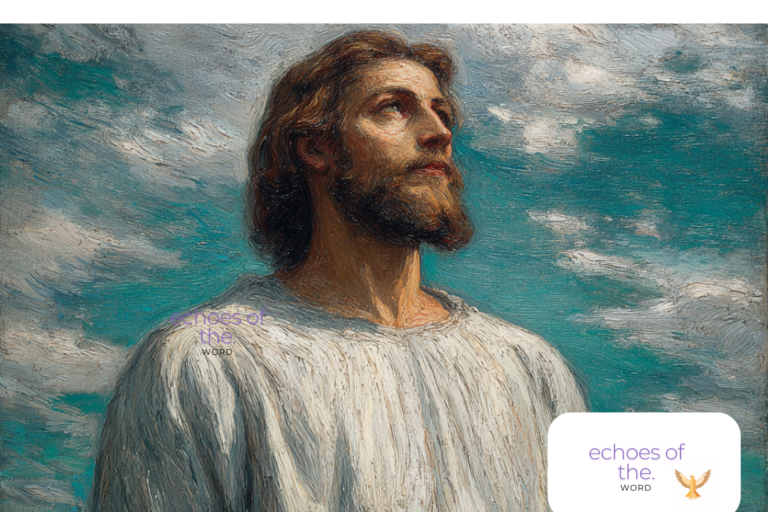
The Sacred Touch: Understanding the Anointing of the Holy Spirit in Religion
The concept of divine empowerment resonates deeply across various religious traditions, offering believers a tangible connection to the sacred. At the heart of this connection, particularly within Christianity, lies the profound reality of the anointing of the Holy Spirit. This isn’t merely a theological abstraction; it’s an experience, a profound spiritual infusion that equips, guides, and transforms individuals for their divine purpose. Understanding this anointing enriches our faith, offering clarity on why we feel called to certain actions, why we possess unexpected strengths, and how we can navigate life’s challenges with a divine advantage.
Many may have encountered the phrase “anointing of the Holy Spirit” in scripture or sermons, perhaps feeling a sense of awe or even confusion. What does it truly mean to be anointed? Is it a singular event, or an ongoing process? This article aims to demystify this vital aspect of religious life, presenting it in a way that is both informative and deeply relatable, drawing parallels to everyday experiences that illuminate its spiritual significance. We will explore its biblical roots, its practical manifestations, and the transformative power it holds for believers today.
At its core, the anointing of the Holy Spirit refers to the divine empowerment and endowment bestowed upon believers by the third person of the Trinity. It’s a sacred consecration, a setting apart for a specific purpose, imbued with God’s own presence and power. This anointing isn’t About earning merit or achieving a certain level of spiritual perfection; rather, it’s a gift of grace, freely given to those who believe and dedicate themselves to God. Think of it as a spiritual equipping, like a craftsman receiving the finest tools and the blueprint for a masterpiece, enabling them to carry out their intended work with excellence.
The Holy Spirit, often described as the “Spirit of Truth” or the “Comforter,” is the active agent of God in the world and in the lives of believers. When we speak of the anointing, we’re referring to the tangible presence and work of the Spirit, making God’s power accessible and enabling us to live lives that are pleasing to Him. This empowerment can manifest in numerous ways, from boldness in witnessing to wisdom in decision-making, and supernatural strength in times of adversity. It’s the divine enablement that allows us to go beyond our natural capabilities and fulfill the call God has placed upon our lives.
Biblical Foundations of the Anointing
The concept of anointing is deeply rooted in the Old Testament, where priests, prophets, and kings were consecrated with oil as a symbol of their divine appointment and empowerment. This physical act represented the invisible impartation of God’s Spirit. For example, Samuel anointed David as king, signifying God’s choice and the bestowal of authority and capability upon him. This biblical precedent underscores the idea that God chooses and empowers individuals for His purposes, setting them apart for service and leadership.
In the New Testament, Jesus Himself was anointed by the Holy Spirit, as prophesied in Isaiah 61:1. His ministry was characterized by the Spirit’s power, enabling Him to heal the sick, cast out demons, and preach the gospel with unparalleled authority. He then promised His followers that they too would receive this same anointing, saying in Acts 1:8, “But you will receive power when the Holy Spirit comes on you.” This promise signifies that the anointing is not limited to a select few but is available to all believers, equipping them to be His witnesses and extend His kingdom. The inheritance of the anointing is a cornerstone of Christian faith.
Manifestations in the Believer’s Life
The anointing of the Holy Spirit is not a static endowment; it is a dynamic force that actively shapes and empowers believers in their daily lives. One of the most evident manifestations is spiritual discernment. Just as an experienced sailor can read the subtle shifts in the wind and waves, an anointed believer can often discern truth from falsehood, recognize spiritual attacks, and understand God’s will more clearly. This isn’t About intellectual prowess alone, but a supernatural insight granted by the Spirit.
Furthermore, the anointing often manifests as boldness and confidence in sharing one’s faith and standing for what is right. Consider the disciples after Pentecost; they were ordinary men transformed into fearless proclaimers of the gospel, willing to face persecution for their beliefs. This unwavering courage is a direct result of the Spirit’s empowering presence. It also equips believers with gifts of service, such as teaching, healing, or administration, enabling them to minister effectively to others and build up the body of Christ. The fruit of the Spirit, such as love, joy, and peace, is another profound manifestation of this divine presence, transforming character from the inside out.
The Role of the Anointing in Spiritual Growth
The anointing of the Holy Spirit is intrinsically linked to our spiritual development and maturity. It’s not simply a catalyst for initial empowerment but a continuous source of guidance and strength that fuels our journey of faith. Just as a plant needs constant nourishment to grow, our spiritual lives require the ongoing presence and work of the Spirit to flourish. This means actively seeking and cultivating our relationship with God, allowing the anointing to refine and shape us.
This divine enablement fosters deep intimacy with God. Through prayer, scripture study, and worship, we open ourselves to the Spirit’s influence, allowing Him to reveal God’s heart and mind to us. This leads to a greater understanding of His character, His purposes, and His love for us. The anointing also empowers us to overcome sin and temptation. It provides the inner strength and conviction to resist allurements and live a life that honors God, making us more resilient in the face of spiritual battles. The process of sanctification is profoundly aided by this divine touch.
Every believer is called to ministry, and the anointing of the Holy Spirit is the essential fuel for effective service. Whether “ministry” means actively preaching the gospel, lovingly serving the poor, or simply being a beacon of God’s love in the workplace, the Spirit empowers us to fulfill these roles with excellence and impact. Without His anointing, our efforts would be limited by our own strengths and abilities, often falling short of God’s grand design.
This empowerment is not About performing grand miracles, though that can be part of it. It’s often About practical, everyday acts of love and service, carried out with a divine touch. A teacher empowered by the Spirit can explain complex concepts with clarity and patience. A caregiver, filled with the Spirit’s love, can offer comfort and emotional support that transcends mere duty. The divine mandate for service is made achievable through the Spirit’s anointing, enabling us to be conduits of God’s grace to the world. The sacred calling to serve is made possible by this empowerment.
Strengthening in Times of Trial
Life inevitably presents challenges, and it is in these moments of adversity that the anointing of the Holy Spirit truly shines. When faced with loss, illness, or persecution, believers can draw upon an inner reservoir of divine strength and peace that surpasses human understanding. This is the comforting presence of the Spirit, interceding for us, guiding us through difficult decisions, and reminding us of God’s unwavering faithfulness.
Think of a sturdy ship navigating a stormy sea. While the waves may crash and the winds howl, the ship’s foundation remains secure. Similarly, the anointing of the Spirit provides the spiritual fortitude to weather life’s storms without being overcome. It grants resilience and perseverance, enabling us to emerge from trials not broken, but refined and stronger in our faith. This supernatural endurance is a testament to the power of God working within us, transforming difficult circumstances into opportunities for growth and deeper reliance on Him. The divine resilience is a hallmark of the anointed life.
Cultivating and Receiving the Anointing
Understanding the anointing of the Holy Spirit is one thing; actively cultivating and receiving it is another. It’s a continuous process of yielding to God’s will and seeking His presence. This isn’t About complicated rituals, but a sincere heart posture of humility and dependence. The more we open ourselves to the Spirit, the more He can work within us and through us.
The primary avenues for receiving and deepening the anointing include:
Prayer: Consistent and fervent prayer is essential. This is our direct line to God, where we can express our desires, seek His guidance, and invite His presence. It’s in prayer that we often feel the Spirit pressing upon us, confirming His will and empowering us for the tasks ahead.
Scripture: The Bible is God’s inspired word, and immersing ourselves in it allows the Spirit to illuminate its truths and speak directly to our hearts. Through scripture, we learn About God’s character, His promises, and His plan for our lives.
Worship: Engaging in genuine worship, whether individually or corporately, creates an atmosphere conducive to the Spirit’s work. It’s a declaration of our devotion and a receptiveness to His presence.
Obedience: Simply put, the Spirit empowers those who are willing to obey God’s commands. As we strive to live according to His word, we create space for His anointing to flow more freely.
Community: Fellowship with other believers is vital. Sharing our struggles and triumphs, and encouraging one another, can be a powerful way for the Spirit to minister to us and through us.
The sacred synergy of faith and action is what allows the anointing to manifest powerfully in our lives. It’s a continuous dance of receiving God’s grace and responding with faithful obedience, allowing the Holy Spirit to transform us into the image of Christ. The divine impartation of power is a journey, not a destination.
Anointing of the Holy Spirit: Frequently Asked Questions
What is the Anointing of the Holy Spirit?
The Anointing of the Holy Spirit is a concept in Christianity that refers to the empowerment and presence of the Holy Spirit within believers. It signifies being chosen, consecrated, and equipped by God for a specific purpose, often for ministry, service, or spiritual growth.
Is the Anointing of the Holy Spirit a one-time event or an ongoing experience?
While there can be a distinct experience of receiving the Holy Spirit’s anointing, it is also understood as an ongoing empowerment and presence in the life of a believer. Christians are encouraged to continually seek and be filled with the Holy Spirit.
What are the effects or signs of the Anointing of the Holy Spirit?
The effects can vary but often include boldness in witness, wisdom in decision-making, strength to overcome challenges, a deeper understanding of scripture, the manifestation of spiritual gifts (such as prophecy, healing, or tongues), and a transformed character reflecting the fruit of the Spirit (love, joy, peace, patience, kindness, goodness, faithfulness, gentleness, and self-control).
Can anyone receive the Anointing of the Holy Spirit?
In Christian theology, the Holy Spirit is given to all who believe in Jesus Christ and repent of their sins. The anointing is seen as a gift of God’s grace available to all faithful followers.
How does the Anointing of the Holy Spirit relate to specific religious denominations?
While the core concept of the Holy Spirit’s indwelling and empowerment is central to most Christian traditions, the emphasis and understanding of the “anointing” can differ. Some denominations may place a stronger emphasis on the visible manifestations of the Spirit or specific gifts associated with the anointing.