Exploring the Enduring Heartbeat: Understanding Christian Tenets in a Modern World
The tapestry of human experience is woven with threads of faith, and at the core of one of the world’s largest religions lies a rich and profound set of beliefs known as Christian tenets. These fundamental principles, far from being dusty relics of the past, continue to shape lives, inform worldviews, and offer a compass for navigating the complexities of our modern existence. Understanding these core tenets isn’t just an academic exercise; it’s an invitation to explore a worldview that has inspired acts of incredible love, profound sacrifice, and enduring hope for over two millennia.
For many, the term “Christian tenets” might evoke images of ancient texts and formal doctrines. While these are certainly the bedrock, the true essence lies in how these beliefs translate into lived realities. They are the underlying assumptions that guide ethical behavior, foster community, and provide a framework for understanding our place in the universe. Whether you are a lifelong follower, curious About your neighbors’ faith, or simply seeking to understand a significant cultural force, delving into Christian tenets offers valuable insights into a faith that has profoundly impacted history and continues to resonate today.
At the very foundation of Christian tenets stands the unwavering belief in one God. This is not a god of arbitrary whims or distant detachment, but a God who is actively involved in creation and in the lives of individuals. This monotheistic understanding is central, distinguishing Christianity from polytheistic religions. However, this singular God is understood in a unique and complex way through the doctrine of the Trinity.
The Trinity asserts that God exists as three co-equal and co-eternal persons: the Father, the Son (Jesus Christ), and the Holy Spirit. This can be a challenging concept to grasp, much like trying to understand the multifaceted nature of a diamond, where each facet reflects light differently but all are part of the same precious stone. The Father is seen as the Creator, the source of all things; the Son, Jesus Christ, is understood as God incarnate, who lived, died, and rose again for humanity; and the Holy Spirit is the immanent presence of God, guiding, comforting, and empowering believers. This Trinitarian understanding shapes how Christians relate to God – as a loving Father, a redeemer, and a constant companion.
The Central Figure: Jesus Christ, the Son of God
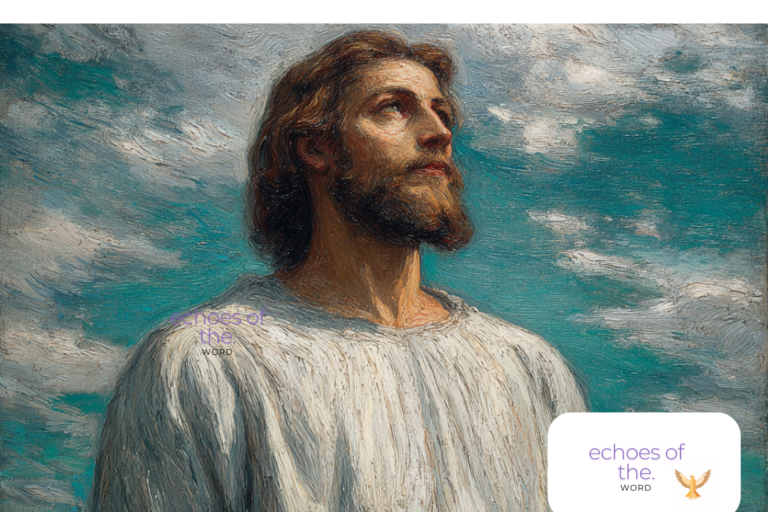
No exploration of Christian tenets would be complete without focusing on the pivotal figure of Jesus Christ. For Christians, Jesus is not merely a historical prophet or a wise teacher; he is believed to be the Son of God, fully divine and fully human. This dual nature is a profound tenet, signifying that in Jesus, heaven and earth, the divine and the human, truly met. His life, as recorded in the Gospels, is seen as a perfect revelation of God’s character and a model for human living.
The life, death, and resurrection of Jesus form the very heart of the Christian message. His teachings, emphasizing love, compassion, forgiveness, and justice, continue to inspire billions. However, it is his sacrificial death on the cross that is arguably the most significant tenet. Christians believe that Jesus died as an atonement for the sins of humanity, offering a pathway to reconciliation with God. His subsequent resurrection is then viewed as the ultimate victory over sin and death, confirming his divinity and offering the promise of eternal life to all who believe in him. This belief in the resurrection is a powerful cornerstone of Christian hope and a testament to the transformative power of faith.
The Incarnation: God Becoming Human
The doctrine of the Incarnation is a cornerstone of Christian beliefs, asserting that God, in the person of Jesus Christ, took on human form. This wasn’t a temporary disguise or a symbolic gesture, but a genuine assumption of humanity, with all its joys and sorrows, its limitations and its potential. This tenet is deeply meaningful because it suggests that God understands human experience intimately, having walked among us.
Think of it like a king who, to truly understand his subjects, lives among them for a time, experiencing their hardships and their celebrations firsthand. The Incarnation signifies that God is not apathetic to our struggles; He has experienced them Himself. This profound act of divine humility and love offers a powerful message of hope and assurance that believers are never truly alone in their journey.
The Atonement: Reconciliation Through Sacrifice
One of the most profound Christian tenets is the concept of atonement. This refers to the belief that Jesus Christ’s death on the cross serves as a sacrifice that reconciles humanity with God. For centuries, humanity has wrestled with the concept of sin – actions and attitudes that separate us from a holy God. The belief in atonement offers a divine solution to this pervasive problem.
This sacrifice is understood as substitutionary, meaning Jesus willingly took upon himself the penalty for human sin. It’s akin to a selfless individual paying a debt for another who cannot afford it, thereby freeing them from its crushing burden. This tenet offers immense comfort and liberation, assuring believers that through faith in Christ’s sacrifice, their sins are forgiven, and they can experience a renewed relationship with God. This reconciliation is not earned through good deeds but is a gift of grace freely offered.
The Path to Salvation: Grace, Faith, and Repentance
The journey of salvation, central to Christian tenets, is not an arduous climb requiring perfect performance, but a path illuminated by divine grace. Grace, in Christian theology, is God’s unmerited favor and love, extended to humanity regardless of their worthiness. It’s a gift freely given, not something to be earned or deserved. This generous outpouring of love is the foundation upon which salvation is built.
Therefore, the primary means of receiving this salvation is through faith. This isn’t a passive belief, but an active trust and reliance on Jesus Christ and his redemptive work. Coupled with faith is the concept of repentance, a sincere turning away from sin and a turning towards God. This involves acknowledging one’s shortcomings, seeking forgiveness, and a commitment to live a life that honors God’s will. Together, faith and repentance, empowered by God’s grace, are the keys that unlock the door to salvation and a transformed life.
The Role of Grace: God’s Unconditional Love
The tenet of grace is perhaps one of the most liberating and transformative aspects of Christian belief. It challenges the human tendency to think in terms of merit and reward. Instead, grace reveals a God whose love is unconditional and boundless. It’s the ultimate expression of God’s desire for a relationship with humanity, despite our imperfections.
Imagine a parent who, even when their child makes grave mistakes, continues to offer love and support, hoping for their return. This is a human analogy for God’s grace. It’s the divine enablement that allows believers to overcome their limitations, to love others as they are loved, and to persevere through life’s challenges. Grace is not a license to sin, but the very power that enables a life of holiness and service.
The Power of Faith: Trust and Reliance
Faith is the human response to God’s grace, the active embrace of the salvation offered through Jesus Christ. It’s more than just intellectual assent to a set of doctrines; it’s a deep-seated trust and reliance on God’s promises and His character. This tenet emphasizes that salvation is not achieved through human effort or good works alone, but through a personal relationship with God.
Think of a child trusting their parent to guide them safely across a busy street. Their faith in their parent’s ability and intention is what allows them to step forward. Similarly, Christian faith involves surrendering one’s life to God’s guidance, believing in His plan and His power to work in and through them. This unwavering faith is what connects believers to God’s redemptive power and transforms their lives from the inside out.
While grace and faith are paramount, the tenet of repentance plays a crucial role in the journey of salvation. It signifies a genuine turning away from sin, a profound change of heart and mind. This isn’t a mere confession of wrongdoing, but a deep-seated desire to align one’s life with God’s will. It involves acknowledging the harm caused by sin, both to oneself and to others, and actively seeking to change one’s behavior and attitudes.
Repentance is like a compass that has been spinning wildly, finally locking onto true north. It’s a conscious decision to reorient one’s life toward God. This doesn’t mean a life free from mistakes, but a life characterized by a renewed commitment to seeking forgiveness and striving for righteousness. This continuous process of turning back to God is a vital tenet of a living faith.
Living the Faith: Love, Morality, and Community
The Christian faith isn’t confined to abstract theological discussions; it’s a call to active engagement with the world. The tenets of Christianity profoundly shape how believers are called to live, emphasizing love, ethical conduct, and the importance of community. These aren’t optional extras but integral components of a life lived in accordance with Christian principles.
At the heart of Christian morality is the commandment to love God and to love one’s neighbor. This dual commandment, as taught by Jesus, transcends mere sentimentality and calls for active, sacrificial love. It demands compassion for the poor and marginalized, forgiveness for those who have wronged us, and a commitment to justice and peace. Furthermore, the Church, the community of believers, is seen as a vital expression of God’s presence on Earth, providing support, encouragement, and accountability for its members.
The Great Commandment: Love as the Guiding Principle
The Great Commandment, as articulated by Jesus, serves as the ultimate guiding principle for Christian living: “Love the Lord your God with all your heart and with all your soul and with all your mind… And the second is like it: ‘Love your neighbor as yourself.’” This tenet elevates love to the supreme virtue, the lens through which all other commandments and actions should be viewed. It’s not simply an emotion, but a disciplined and active commitment to the well-being of others.
Consider the example of a doctor who, driven by a love for their patients, dedicates their life to healing. This is an earthly reflection of the divine love that Christians are called to emulate. This love extends beyond friends and family to encompass even enemies, challenging conventional notions of relationships and advocating for radical inclusivity and reconciliation.
Ethical Framework: Living a Life of Virtue
Christian tenets provide a robust ethical framework that guides believers in their daily decision-making. While the specifics of moral conduct can be complex, the overarching principles are clear: living a life that honors God and reflects His character. This involves cultivating virtues such as honesty, integrity, humility, patience, kindness, and self-control. These virtues are not merely personal attributes but are seen as essential in building a just and compassionate society.
Think of a skilled artisan who meticulously crafts their work, ensuring every detail is perfect. Christians are called to approach their lives with similar dedication to excellence, striving to embody the fruits of the Spirit, as described in the Bible, which include love, joy, peace, patience, kindness, goodness, faithfulness, gentleness, and self-control. This ethical commitment extends to all areas of life, including work, family, and civic engagement.
The Importance of Community: The Body of Christ
The concept of community, often referred to as the “Body of Christ,” is a vital Christian tenet. It underscores the belief that believers are not meant to live out their faith in isolation but are interconnected and interdependent. The Church, in its local and global expressions, serves as a space for worship, fellowship, teaching, and mutual support. Within this community, individuals are encouraged to use their God-given gifts to serve one another and to collectively advance God’s kingdom.
Imagine a symphony orchestra, where each instrument plays a unique part, but together they create a harmonious and beautiful piece of music. This is a metaphor for the Church, where each member, with their distinct talents and experiences, contributes to the rich tapestry of the Body of Christ. This communal aspect provides encouragement during difficult times, celebrates joys together, and offers a powerful witness to the world of God’s unifying love.
In conclusion, the Christian tenets, from the foundational belief in God and the Trinity to the life-transforming message of Jesus Christ, and the call to live a life of love and community, offer a comprehensive worldview. These beliefs are not static pronouncements but living principles that continue to inspire and guide billions, providing a framework for understanding life, death, and the enduring hope for a reconciled and redeemed world. By exploring these tenets, we gain a deeper appreciation for a faith that has profoundly shaped history and continues to offer meaning and purpose to countless individuals.
Frequently Asked Questions About Christian Tenets and Religion
What is the central belief of Christianity?
The central belief of Christianity is that Jesus Christ is the Son of God, who died for the sins of humanity and was resurrected, offering salvation and eternal life to those who believe in Him.
What are the core tenets of Christian faith?
Core tenets include the belief in one God (monotheism), the divinity of Jesus Christ, the Trinity (God as Father, Son, and Holy Spirit), the Bible as the inspired Word of God, salvation through grace by faith in Jesus Christ, and the resurrection of the dead.
What is the significance of the Bible in Christianity?
The Bible is considered the holy scripture of Christianity, believed to be divinely inspired. It contains God’s revelation to humanity, guiding Christians in faith, doctrine, and practice.
How is God understood in Christianity?
Christians believe in one God, who is understood as a Trinity: God the Father, God the Son (Jesus Christ), and God the Holy Spirit. These are three distinct persons, yet one God in essence.
What is the Christian concept of salvation?
Salvation, in Christianity, is the deliverance from sin and its consequences, leading to eternal life with God. It is generally understood to be received through faith in Jesus Christ’s atoning sacrifice and resurrection.
What is the role of Jesus Christ in Christianity?
Jesus Christ is considered the Messiah, the Son of God, who came to Earth to live a sinless life, teach God’s will, and offer himself as a sacrifice for the sins of humanity. His resurrection is central to the Christian faith.
What is the Trinity?
The Trinity is the Christian doctrine that God exists as three co-equal and co-eternal persons: the Father, the Son (Jesus Christ), and the Holy Spirit. While distinct, they are one God.
What does it mean to be a Christian?
To be a Christian generally means to believe in Jesus Christ as Lord and Savior, to follow His teachings, and to strive to live according to the principles of love, compassion, and righteousness as revealed in the Bible.
What are the major branches of Christianity?
The major branches of Christianity include Catholicism, Protestantism (with numerous denominations like Baptist, Methodist, Lutheran, Presbyterian, etc.), and Orthodoxy (Eastern Orthodox and Oriental Orthodox).
What is the purpose of prayer in Christianity?
Prayer is a fundamental practice in Christianity, serving as a means of communication with God. It involves worship, confession, thanksgiving, and petition, fostering a personal relationship with God.