When Should I Pray? Navigating Your Spiritual Compass in Religion
The question, “When should I pray?” is a deeply personal and often profound one, echoing through the corridors of faith across countless religions. It’s not just a matter of a ticking clock, but a reflection of our desire for connection, guidance, and solace. For many, prayer is the lifeline that anchors them, a constant conversation with the divine that transcends the mundane. Understanding the timing of prayer isn’t About rigid adherence to rules, but About finding a rhythm that nourishes your soul and deepens your relationship with your chosen faith.
This journey into “when should I pray” is an exploration of purpose, intention, and the diverse expressions of devotion. Whether you’re a seasoned practitioner or just beginning to explore your spiritual path, there are moments and reasons that call for prayer, and recognizing them can transform your daily life into a sacred experience. Let’s delve into the multifaceted answers to this fundamental question, understanding that the “when” is as important as the “why” and the “how.”
The Rhythmic Call: Fixed Prayer Times in Major Religions
Many religious traditions have established specific prayer times, often woven into the fabric of daily life. These fixed intervals serve as powerful reminders to pause, reflect, and reconnect with the divine, creating a predictable rhythm that can bring order and spirituality to a busy world. For instance, in Islam, the five daily prayers (Salat) are performed at prescribed times: Fajr (dawn), Dhuhr (midday), Asr (afternoon), Maghrib (sunset), and Isha (night). These times are determined by the sun’s position, emphasizing a deep connection to the natural world and its cycles.
Similarly, in some traditions within Judaism, there are designated prayer services throughout the day, such as Shacharit (morning), Mincha (afternoon), and Maariv (evening). These established times offer a structured approach to prayer, ensuring that spiritual reflection is integrated into the daily routine. The consistency of these fixed prayer times can act as an anchor, especially during challenging periods, reminding us that even amidst chaos, there are moments set aside for devotion and seeking divine presence. When asked, “when should I pray” in these contexts, the answer is often directly tied to these meticulously observed schedules.
Dawn and Dusk: Natural Transitions as Invitations to Pray
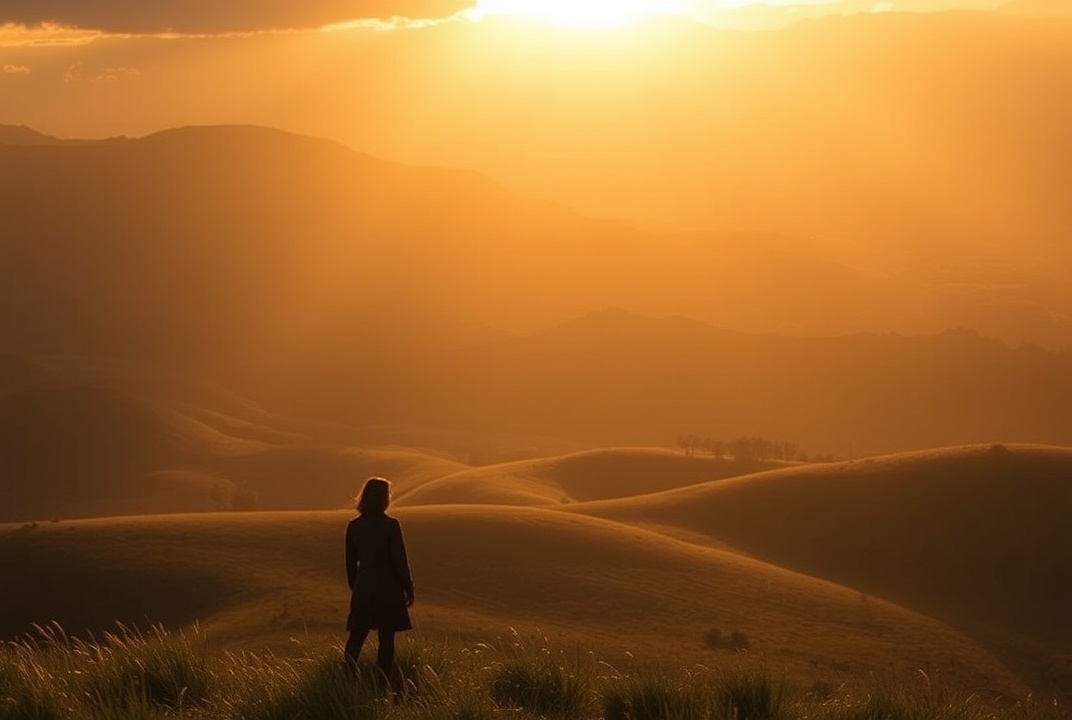
The liminal spaces between day and night, dawn and dusk, are often considered particularly potent times for prayer. As the world awakens or settles into slumber, these transitions offer a natural pause, a moment to acknowledge the passing of time and the unfolding of divine creation. At dawn, the first light breaking through the darkness can symbolize new beginnings, hope, and the opportunity for a fresh start. It’s a time to offer gratitude for the gift of another day and to seek guidance for the hours ahead.
Dusk, on the other hand, marks the end of the day’s activities and invites introspection. As the sun dips below the horizon, it’s a natural moment to reflect on the day’s experiences, both good and bad, and to offer prayers of thanks or repentance. Many find that praying as the day concludes helps them to release worries and find peace before resting. This is a prime example of “when should I pray” being dictated by the natural rhythms of the earth, aligning our spiritual practice with the cosmic clock.
Spontaneous Surges: Praying in Moments of Need and Gratitude
Beyond the structured schedules, prayer is also a deeply personal and spontaneous act, often arising from the ebb and flow of life’s experiences. There are times when an overwhelming sense of gratitude washes over us, a moment of profound joy or unexpected blessing that compels us to offer thanks. In these instances, the answer to “when should I pray” is immediate and heartfelt – the moment of pure appreciation itself.
Conversely, the dark valleys of life, marked by sorrow, fear, or uncertainty, are equally powerful catalysts for prayer. When facing adversity, a crisis, or simply feeling overwhelmed, the instinct to turn to a higher power for strength, comfort, and guidance is often irresistible. These are the moments when prayer becomes a lifeline, a desperate plea, or a quiet whisper seeking solace. The urgency of the situation dictates the timing, making prayer an essential response to the human condition.
Moments of Crisis: Seeking Strength in Times of Trouble
When life throws unexpected challenges our way – a sudden illness, a devastating loss, or a moment of intense fear – our thoughts often turn inward, and for many, this leads to prayer. In these critical junctures, the question of “when should I pray” becomes less About a schedule and more About an immediate, primal need for connection and support. Prayer in these moments can be a powerful coping mechanism, offering a sense of hope and resilience.
Imagine a parent whose child is gravely ill. In that moment of raw fear, their prayer isn’t scheduled; it’s an outpouring of their soul, a fervent plea for healing. This type of prayer isn’t About reciting specific verses but About communicating raw emotion and vulnerability to the divine. It’s About finding strength when your own feels depleted, and seeking peace amidst the storm. The very act of praying can provide a sense of agency and comfort, even when the external circumstances remain unchanged.
Seasons of Joy: Expressing Gratitude for Life’s Blessings
While prayer is often associated with times of hardship, it is equally vital to remember to pray during seasons of joy and prosperity. When something wonderful happens – a promotion, a happy reunion, a beautiful sunset that takes your breath away – these are often the most opportune moments to express gratitude. The question, “when should I pray” in these instances, is answered by the sheer abundance of positive experiences that fill our lives.
Think of a couple celebrating their anniversary or a student receiving exam results they worked hard for. These are moments ripe for prayer, not out of desperation, but out of a deep wellspring of thankfulness. Acknowledging these blessings through prayer amplifies the joy and reinforces the understanding that these good things are gifts. This practice of mindful gratitude through prayer can foster a more positive outlook and a deeper appreciation for the richness of life.
Personal Devotion: Integrating Prayer into Your Daily Life
Ultimately, the most meaningful answer to “when should I pray” lies in creating a personal and evolving practice that fits your life and your faith. While established prayer times offer structure, the true power of prayer is often found in its integration into the fabric of our everyday existence. This means finding moments that resonate with you, whether it’s during your morning commute, a quiet lunch break, or before you go to sleep.
Developing a personal prayer life is About cultivating a consistent, intentional connection. It’s About recognizing that prayer isn’t a transactional event but a continuous relationship. This might involve setting aside a few minutes each day for reflection, meditating on scripture, or simply having informal conversations with the divine throughout the day. The key is to make prayer an accessible and natural part of your spiritual journey, rather than an obligation confined to specific times.
Moments of Reflection: Mindfulness and Intention
Integrating prayer into your daily life often begins with moments of quiet reflection. This doesn’t require hours of silence or elaborate rituals. It can be as simple as taking a few deep breaths before starting your workday, reflecting on your intentions for the day ahead. This is a crucial aspect of answering “when should I pray” – it’s About choosing moments where you can be present and mindful.
These periods of reflection can be powerful opportunities to connect with your spiritual self. For instance, while waiting in line at the grocery store, you might take a moment to mentally offer gratitude for the food you are About to purchase, or to send a silent prayer for the well-being of those around you. These small acts of mindful prayer weave spirituality into the mundane, transforming everyday occurrences into opportunities for connection.
A highly effective way to answer “when should I pray” is to bookend your daily activities with prayer. This means starting your day with a prayer of intention and ending it with a prayer of reflection and gratitude. This practice creates a sacred rhythm that nurtures your spiritual well-being throughout the day.
For example, before you begin a challenging task at work, you might offer a brief prayer for focus and wisdom. After completing it, you might offer a prayer of thanks for the completion and for the lessons learned. Similarly, before eating a meal, a prayer of gratitude for sustenance is a common and meaningful practice across many faiths. By consciously choosing these bookending moments, you infuse your day with intention and spiritual awareness, ensuring that your faith is a constant companion.
Frequently Asked Questions: When Should I Pray?
What are the five daily prayers in Islam?
Muslims are obligated to perform five daily prayers, known as Salat, at specific times throughout the day. These times are determined by the position of the sun.
What are the names and approximate times for the five daily prayers?
The five daily prayers are:
Fajr (Dawn Prayer): From the break of dawn until sunrise.
Dhuhr (Noon Prayer): After the sun has passed its zenith until the time for Asr prayer begins.
Asr (Afternoon Prayer): From the middle of the afternoon until sunset.
Maghrib (Sunset Prayer): Immediately after sunset until the time for Isha prayer begins.
Isha (Night Prayer): After nightfall (when twilight has disappeared) until the break of dawn.
Can the prayer times be flexible?
While the prayers have designated time windows, it is encouraged to perform them as early as possible within their allotted times. Missing a prayer without a valid excuse is not permitted.
How do I know the exact prayer times in my location?
Prayer times vary based on geographical location and time of year. You can find accurate prayer times through various methods, including:
Mosque schedules
Islamic websites and apps
Local astronomical calendars
Are there any exceptions to the five daily prayers?
In certain circumstances, like illness or travel, there are allowances for combining prayers or offering them at a later time, but this should not be a regular practice.
Is prayer only for Muslims?
The concept of prayer or supplication to a higher power is present in many religions. In Islam, the five daily prayers are a fundamental pillar and a direct form of worship and connection with Allah.