The Universal Quest: Unraveling the Threads of the Salvation Story in Religion
Across the vast tapestry of human civilization, a singular narrative echoes with persistent resonance: the salvation story. It’s a tale as old as our capacity for introspection, a whispered hope in the face of life’s inherent struggles, and a foundational pillar for countless religious traditions. This isn’t just a theological concept; it’s an intimate exploration of what it means to be human, to err, to suffer, and most importantly, to seek and find redemption. The salvation story speaks to our deepest longings for meaning, for wholeness, and for a connection to something greater than ourselves. It’s a journey that transcends cultural boundaries, appearing in diverse forms yet always addressing the universal human condition of imperfection and the profound desire for liberation.
Imagine a lost traveler, far from home, caught in a disorienting storm. They are cold, afraid, and unsure of their next step. Their desperate need is not just for shelter, but for a guiding light, a way back to safety and belonging. This is a simple analogy for the human experience that the salvation story aims to address. It acknowledges the inherent challenges we face, both internal and external, and offers a path towards overcoming them. This path, though varied in its specifics across different faiths, consistently provides a framework for understanding our current state and the possibility of a transformed future.
The Core of the Human Predicament: Why We Need Saving
At the heart of every religion’s salvation story lies a diagnosis of the human condition. This diagnosis often points to a fundamental brokenness, a separation from a divine ideal, or an inherent flaw that leads to suffering. In Christianity, this is often framed as the concept of sin – a deviation from God’s perfect will that alienates humanity from its Creator. This sin isn’t merely a list of bad deeds, but a pervasive inclination towards self-centeredness and a distorted view of reality. For example, the story of Adam and Eve’s disobedience in the Garden of Eden serves as a foundational narrative illustrating this initial separation and its far-reaching consequences for all of humanity.
Similarly, in Buddhism, the concept of dukkha (suffering) is central. This isn’t just About physical pain, but the pervasive dissatisfaction and impermanence that characterize existence. The root of this suffering is often identified as attachment and ignorance, a clinging to things that are fleeting and a misunderstanding of the true nature of reality. The story of Siddhartha Gautama’s enlightenment, his journey from prince to Buddha, is a profound salvation story that offers a path to overcome this suffering by understanding the Four Noble Truths and following the Eightfold Path. It’s a testament to the fact that even within a seemingly inescapable cycle of suffering, liberation is possible.
The Shadow of Imperfection: From Guilt to Impermanence
The feeling of being flawed or imperfect is a universal human experience, and religions often articulate this through various lenses. In some traditions, this imperfection is linked to a sense of guilt and shame – the awareness of having transgressed moral or spiritual laws. This guilt can be a heavy burden, leading to self-condemnation and a feeling of being unworthy. The salvation story in these contexts offers a way to alleviate this burden, often through acts of repentance, forgiveness, or atonement. Think of the rituals of confession in some branches of Christianity, where individuals can confess their wrongdoings and receive absolution, a symbolic cleansing of their spiritual slate.
In other traditions, the emphasis is less on guilt and more on the inherent impermanence of all things. The existential angst of realizing that everything we hold dear will eventually fade or change can be a source of profound discomfort. The salvation story here offers not an escape from impermanence, but a way to live in harmony with it. The Taoist concept of wu wei (non-action or effortless action) encourages us to flow with the natural currents of life, rather than resisting them. This acceptance of change and the pursuit of inner peace amidst life’s flux can be seen as a form of spiritual salvation, a release from the anxiety of trying to control the uncontrollable.
The Divine Intervention: The Role of the Savior Figure
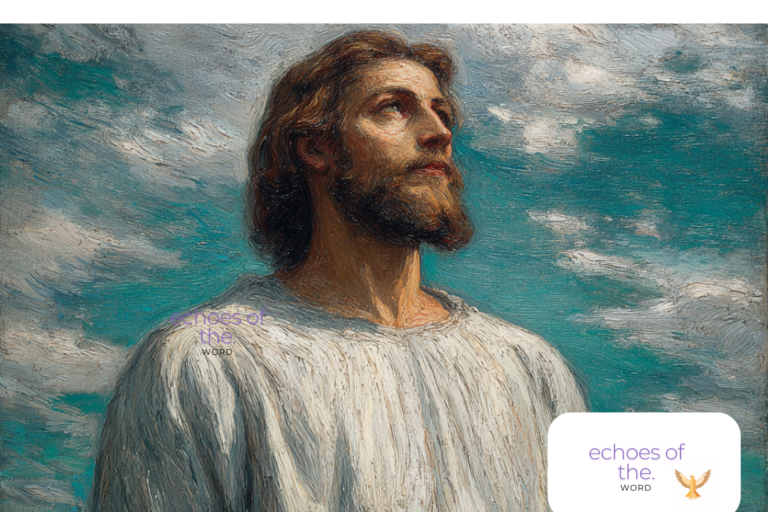
A crucial element in many salvation stories is the intervention of a divine or enlightened being – a savior figure. This figure acts as the bridge between humanity’s predicament and the possibility of redemption. They are often depicted as having attained a level of perfection or enlightenment that allows them to guide others towards salvation. In Christianity, Jesus Christ is the quintessential savior, whose sacrifice is believed to atone for humanity’s sins. His life, death, and resurrection are central to the Christian narrative of salvation, offering believers a pathway to eternal life and reconciliation with God.
Across different faiths, these savior figures might manifest in various forms. In Islam, while the primary emphasis is on submission to Allah, the Prophet Muhammad is revered as the final messenger, whose teachings and example provide a guide for righteous living and ultimately, salvation. In Hinduism, the concept of avatars – divine beings who descend to earth in human or animal form to restore dharma (cosmic order) – also plays a similar role. Figures like Rama and Krishna are seen as divine avatars who embody virtues and offer guidance and protection to their devotees, thereby facilitating their spiritual journey and eventual liberation.
The Sacrifice and the Path: Pathways to Liberation
The mechanism by which salvation is achieved is as diverse as the religions themselves, but often involves some form of sacrifice or a dedicated path. For Christians, the crucifixion of Jesus is the ultimate sacrifice, a substitutionary atonement that pays the price for human sin. Believers are then called to accept this sacrifice through faith and to live a life that reflects Christ’s teachings. This is not a passive act; it involves a transformation of the heart and a commitment to following God’s will.
In other traditions, the path to salvation is more focused on personal effort and spiritual discipline. The Buddhist Eightfold Path, comprising right understanding, right thought, right speech, right action, right livelihood, right effort, right mindfulness, and right concentration, is a comprehensive guide for ethical conduct and mental cultivation. By diligently practicing these principles, individuals can gradually eradicate the roots of suffering and achieve nirvana, a state of liberation from the cycle of rebirth. This path emphasizes self-reliance and the development of inner wisdom as the keys to spiritual freedom.
The Promise of Transformation: A Renewed Existence
Ultimately, the salvation story offers a profound promise: the possibility of a transformed existence. This transformation isn’t merely About avoiding punishment or achieving a pleasant afterlife; it’s About a fundamental shift in one’s being, a restoration of a lost harmony. For many, this means achieving inner peace, a sense of contentment and freedom from the anxieties that plague the human mind. It’s the quiet joy of knowing one is loved, accepted, and has a purpose, even in the face of adversity. This inner transformation is often seen as the immediate reward of embracing the salvation story.
The ultimate promise, however, often extends beyond this life. Whether it’s the Christian concept of eternal life in the presence of God, the Buddhist ideal of nirvana where the cycle of suffering and rebirth ceases, or the Islamic belief in Jannah (paradise), the prospect of a blessed and enduring existence is a powerful motivator. These are not merely rewards for good behavior, but the natural culmination of a life lived in accordance with the principles of salvation. It’s the ultimate homecoming, a return to a state of perfect communion and everlasting joy, providing a beacon of hope in the often-turbulent journey of life.
Frequently Asked Questions: Salvation Story & Religion
What is a salvation story?
A salvation story is a personal narrative that describes an individual’s journey from a state of perceived loss, sin, or spiritual brokenness to a state of redemption, peace, or wholeness, often through faith in a higher power or religious belief system.
What are the core beliefs of Christianity regarding salvation?
Core Christian beliefs About salvation typically include the idea that humanity is separated from God due to sin, but that salvation is made possible through the atoning sacrifice of Jesus Christ. Believers are reconciled with God through faith in Jesus, leading to eternal life.
How do different religions define “salvation”?
The definition of salvation varies significantly across religions. In some, it may involve liberation from the cycle of rebirth (like in Hinduism and Buddhism), in others, it’s About achieving eternal paradise or closeness to God (like in Islam and Christianity), and in others, it might be About spiritual enlightenment or moral perfection.
Is salvation a one-time event or an ongoing process?
Whether salvation is viewed as a one-time event or an ongoing process depends on the specific religious tradition. Some traditions emphasize a singular moment of conversion or acceptance of faith as the definitive act of salvation, while others view it as a continuous journey of spiritual growth, adherence to religious laws, and active pursuit of righteousness.
Can someone be “saved” without belonging to a particular religion?
This is a deeply debated question with diverse theological and philosophical perspectives. Some religions believe their path is the exclusive way to salvation, while others hold more inclusive views, suggesting that sincerity of heart, good works, or divine grace can extend beyond formal religious affiliation.