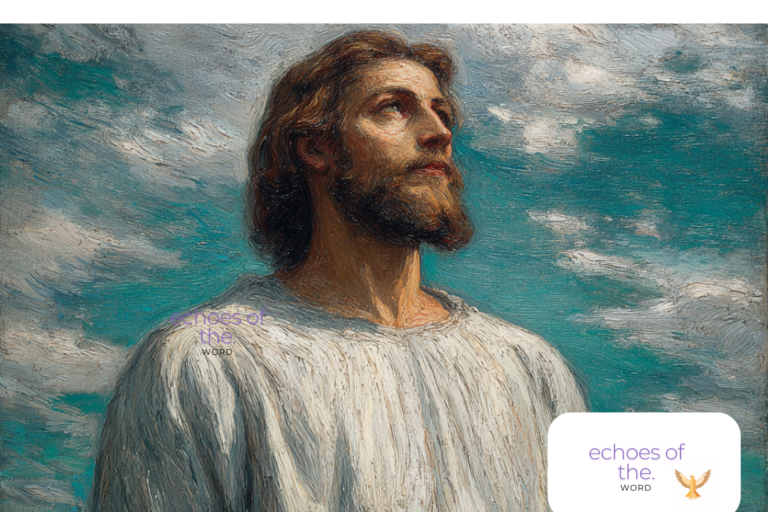
The Heart of the Gospel: A Homily on John 3:16 for Today
In the vast tapestry of scripture, certain verses shine with a particular brilliance, resonating through the ages and offering a profound glimpse into the very heart of God’s love. For Christians, one such verse stands paramount: John 3:16. It’s a verse many of us can quote by heart, a cornerstone of our faith, and a beacon of hope in a world often shadowed by uncertainty. But have we truly grasped its depth? Have we allowed its revolutionary message to transform our lives? This article is not just an academic exploration; it’s an invitation to a personal homily on John 3:16, a reflection designed to make this ancient truth vibrantly alive and deeply relevant for our contemporary lives.
The beauty of John 3:16 lies in its elegant simplicity and its staggering implications. It’s a concise declaration that encapsulates the entire Christian narrative, a powerful reminder of God’s unwavering commitment to humanity. As we delve into its meaning, let us open our hearts and minds to the transformative power of this divine promise, allowing it to illuminate our understanding of God, ourselves, and our place in His grand design. This homily aims to unpack this foundational text, making it accessible, relatable, and profoundly inspiring.
Understanding the Divine Equation: “For God So Loved the World”
The opening phrase, “For God so loved the world,” is not a casual observation; it’s an emphatic declaration of immeasurable, unconditional, and all-encompassing love. The word “so” here isn’t just a modifier; it signifies a love of such immense proportion and intensity that it defies human comprehension. Imagine trying to measure the vastness of the ocean or the countless stars in the night sky – that’s the scale of God’s love. It’s not a love earned or deserved, but a love that flows freely and abundantly from His very nature.
This love extends to “the world,” a term that encompasses all of humanity, every nation, every tribe, every individual. It’s a startling inclusivity, a testament to God’s desire to reach beyond any perceived boundaries or limitations. This isn’t a selective affection; it’s a universal embrace. Think About a parent who loves all their children, even when they stumble or make mistakes. This cosmic love is similar, but on an infinite scale, demonstrating a profound benevolence and desire for connection with His creation.
The Practical Expression of God’s Love: “That He Gave His Only Son”
The love articulated in John 3:16 is not merely an emotion; it is an active, sacrificial, and redemptive act. “That He gave His only Son” reveals the tangible, profound demonstration of God’s love. This wasn’t a casual offering; it was the ultimate sacrifice, the giving of His one and unique Son, Jesus Christ. This act signifies the highest possible cost to express the depth of His affection for a world that, in its natural state, was estranged from Him.
The giving of Jesus is the central pivot of Christian theology. It’s the ultimate proof that God’s love is not just a concept but a powerful, life-altering force. This sacrifice bridges the chasm that sin had created, offering a way back to reconciliation and eternal life. Consider the profound love that would compel a parent to give their most precious possession to save another. This is the essence of God’s love, a divine generosity that laid the foundation for our salvation.
The Purpose of the Divine Gift: “That Whoever Believes in Him”
The purpose of God’s magnificent gift is immediately tied to a human response: “That whoever believes in Him.” This highlights a crucial element of divine-human interaction: faith. Belief in Jesus is not a passive acknowledgment; it’s an active trust, a confident reliance, a wholehearted commitment. It’s About entrusting our lives, our futures, and our very beings to Him, recognizing His authority, His sacrifice, and His power to save.
The word “whoever” is another powerful indicator of God’s inclusive grace. It’s not limited to a select few, a particular nationality, or those who meet certain criteria. The invitation is open to everyone, regardless of their past failures, their current struggles, or their perceived worthiness. This stands in stark contrast to many human systems of inclusion, which often have prerequisites. God’s invitation to believe is an open door, a universal call to embrace His saving grace.
The Promise of Eternal Life: “Shall Not Perish but Have Eternal Life”
The ultimate outcome of this divine equation is the promise of “shall not perish but have eternal life.” This is the transformative promise that undergirds the entire Christian hope. “Perish” speaks of spiritual death, of separation from God and the devastating consequences that follow. But God’s promise counters this with the assurance of eternal life, a life that begins now and continues forever in unbroken communion with Him.
Eternal life is not merely an endless existence; it’s a qualitative transformation. It’s life lived in the fullness of God’s presence, characterized by joy, peace, and purpose. It’s a life where suffering is ultimately overcome, and where our true identity in Christ is fully realized. This promise is a guarantee for those who place their faith in Jesus, offering a steadfast hope that transcends the trials and tribulations of this earthly existence. It’s the ultimate inheritance for the faithful.
This homily on John 3:16 is not meant to be a static piece of theology but a dynamic catalyst for change. How do we bring this truth from the pages of scripture into the messy, beautiful reality of our everyday lives? Firstly, we must continually remind ourselves of the depth and breadth of God’s love. In moments of doubt, fear, or loneliness, let John 3:16 be a powerful antidote, a whisper of divine reassurance that we are deeply and eternally loved.
Secondly, we are called to respond with active faith. This means more than just intellectual assent; it’s About living out our belief in tangible ways. It’s in how we treat others, how we navigate challenges, and how we pursue our purpose. Our faith should be a living, breathing entity, influencing every decision and every interaction. This active faith is the key that unlocks the abundant life promised in John 3:16.
Living as Vessels of God’s Love
The message of John 3:16 doesn’t end with our personal salvation; it compels us to become channels of that same transformative love. Just as God loved the world and gave His Son, we are called to love our neighbors, to extend compassion, and to share the hope we have found. This means actively engaging with the world around us, not in judgment, but in grace and mercy, reflecting the love that has so deeply impacted us.
Let us therefore embrace the revolutionary implications of John 3:16. Let it fuel our worship, guide our actions, and comfort our souls. This verse is the very essence of the gospel, a divine invitation to experience the boundless love of God and to participate in His redemptive plan for the world. May our lives be a testament to this incredible truth, a living homily echoing the profound love found in John 3:16.
Frequently Asked Questions About a Homily on John 3:16
What is John 3:16?
John 3:16 is a foundational verse in Christianity, often summarized as: “For God so loved the world that he gave his one and only Son, that whoever believes in him shall not perish but have eternal life.” It encapsulates the core Christian message of God’s love, the sacrifice of Jesus, and the promise of salvation through faith.
A homily is a religious discourse, typically delivered during a worship service, that expounds upon a specific biblical text or religious theme. It aims to explain the meaning of the text and its relevance to the lives of the listeners, often encouraging reflection and application.
What are the main themes usually explored in a homily on John 3:16?
Common themes include:
* God’s Unconditional Love: The immense and boundless love God has for humanity.
* The Gift of Jesus: The significance of God sending His Son as a sacrifice for the world’s sins.
* Belief and Faith: The requirement of faith in Jesus for salvation.
* Eternal Life: The promise of life beyond death for those who believe.
* Salvation and Redemption: How God’s plan through Jesus offers deliverance from sin and death.
How does a homily on John 3:16 relate to the broader concept of religion?
For Christians, a homily on John 3:16 is central to their religious understanding. It articulates a core tenet of their faith, explaining the nature of their God, the role of Jesus Christ, and the path to spiritual fulfillment and salvation within their religious framework. It highlights the relationship between the divine and humanity as understood within Christianity.
What is the significance of “whoever believes in him” in John 3:16 within a religious context?
This phrase emphasizes the personal and volitional aspect of salvation. In a religious context, it points to the active choice and commitment an individual makes to trust in Jesus Christ. It’s not merely an intellectual assent but a deep-seated trust and reliance that forms the basis of the relationship with God in Christianity.
What does “shall not perish but have eternal life” mean in a homily on John 3:16?
This phrase speaks to the ultimate outcome of believing in Jesus according to Christian theology. “Perish” is often understood as spiritual death and separation from God due to sin. “Eternal life” signifies a continued existence in God’s presence, a state of wholeness and peace, often understood as beginning now and continuing after physical death.
How can a homily on John 3:16 be applied to daily life?
A homily on John 3:16 can inspire individuals to:
* Live with gratitude for God’s love.
* Share the message of hope with others.
* Deepen their personal faith and trust in Jesus.
* Live lives that reflect God’s love and grace.
* Find comfort and assurance in the promise of eternal life.