The Catholic Church Tithe: Understanding Your Contribution to Faith and Community
The practice of tithing has been a cornerstone of religious life for centuries, and for Catholics, it represents a profound act of faith, gratitude, and stewardship. More than just a financial obligation, the Catholic Church tithe is a tangible way to support the vital work of the Church, both in spreading the Gospel and in serving the broader community. Understanding its significance can transform this act from a mere duty into a meaningful expression of devotion.
Many people are curious About what the Catholic Church tithe truly entails and why it’s so important. Is it a strict percentage? What exactly does it fund? This article aims to demystify the concept of tithing within the Catholic faith, offering a clear, relatable, and informative perspective for every parishioner. We’ll explore the biblical roots, the practical applications, and the spiritual benefits of generously supporting our Church.
The Biblical Foundation of Tithing: A Legacy of Generosity
The concept of giving a tenth of one’s produce or income to God is deeply rooted in scripture, long before the establishment of the Catholic Church as we know it today. Both the Old and New Testaments offer a compelling narrative of generosity as a fundamental expression of faith and obedience. This ancient tradition provides a spiritual framework for understanding the importance of the Catholic Church tithe.
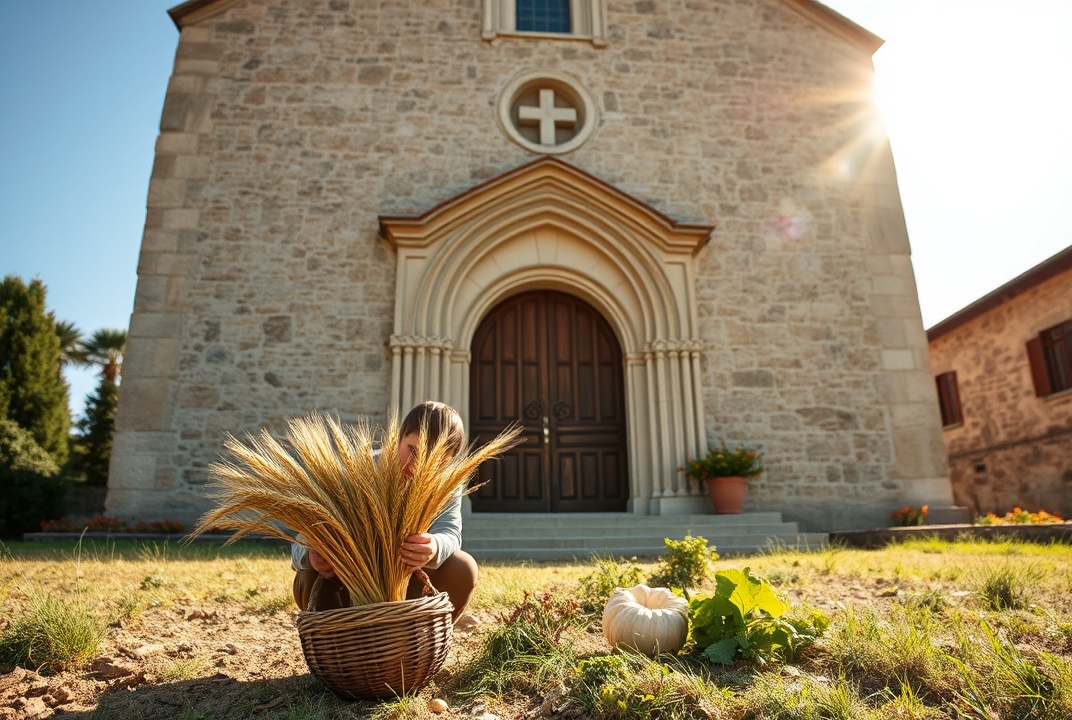
In the Old Testament, figures like Abraham and Jacob set precedents for dedicating a portion of their blessings to God. Later, the Mosaic Law explicitly commanded the Israelites to bring a tithe to the tabernacle and later the Temple for the maintenance of the priesthood and the support of the Levites, who had no land inheritance. This was seen not as a burden, but as a divine command and a way to acknowledge God as the ultimate provider of all things. For instance, when we receive a bountiful harvest, acknowledging that it’s a gift from God and setting aside a portion to support His work is a direct echo of this ancient practice.
The Catholic Understanding of the Tithe: Beyond a Strict Percentage
While the notion of a “tithe” often conjures up the idea of a strict 10% of income, the Catholic Church’s approach is more nuanced and emphasizes responsible stewardship and generous giving. The Catechism of the Catholic Church encourages Catholics to support the Church “in accord with their abilities.” This means that while 10% is a traditional benchmark, the emphasis is on giving sacrificially and proportionally to one’s means, rather than a rigid, universally enforced mandate.
The spirit of the Catholic Church tithe is About recognizing that everything we have comes from God and, therefore, a portion should be returned to Him through the Church’s mission. This can manifest in various ways: weekly offertory collections, special collections for specific needs, donations of time and talent, and even planned giving. The Archdiocesan guidelines often suggest a minimum of 5%, but the guiding principle is a heartfelt and consistent commitment to supporting the Church’s work. A young family starting out might contribute a smaller percentage but with immense faith, while a more affluent individual might aim for or exceed the 10% benchmark, both acting out of love for God and His Church.
What Does the Catholic Church Tithe Fund? The Impact of Your Giving
Your contributions to the Catholic Church tithe are not just abstract donations; they are the lifeblood that sustains the Church’s multifaceted mission. This giving directly impacts the spiritual, educational, and charitable activities that touch countless lives within our parishes and beyond. It’s a tangible investment in the continuation of Christ’s work on Earth.
The funds generated through tithing and other donations are used for a wide array of essential ministries. This includes:
Maintaining Parish Infrastructure: The upkeep of churches, rectories, and parish halls, ensuring a welcoming and functional space for worship and community gathering.
Supporting Priests and Religious: Providing for the living expenses, healthcare, and ongoing formation of priests and consecrated religious who dedicate their lives to serving the faithful.
Religious Education: Funding programs for children and adults, such as Sunday school (CCD), confirmation preparation, RCIA (Rite of Christian Initiation of Adults), and adult faith formation, to foster a deeper understanding of Catholic teachings.
Charitable Outreach: Supporting local and global charitable initiatives, food banks, homeless shelters, and aid for the poor and marginalized, embodying Christ’s command to love our neighbor.
Evangelization and Mission Work: Enabling the Church to share the Gospel message worldwide, support missionaries, and engage in interfaith dialogue.
Diocesan Operations: Contributing to the essential administrative and pastoral services provided by the diocese that support all parishes within its jurisdiction.
Imagine a parish that can offer robust youth ministry programs, provide counseling services for families in need, or send aid to disaster-stricken areas – all of this is made possible through the generosity of the faithful and their commitment to the Catholic Church tithe. It’s a collective effort that allows the Church to be a vibrant force for good in the world.
Making Your Tithe a Meaningful Act of Faith
For many Catholics, the act of tithing is more than just writing a check; it’s a spiritual discipline that strengthens their relationship with God. It requires prayer, discernment, and a commitment to putting God first in their financial lives. When approached with a prayerful heart, the Catholic Church tithe becomes an act of profound gratitude for the blessings received.
Consider the act of budgeting for your faith. Just as you allocate funds for rent, utilities, and groceries, intentionally setting aside a portion for the Church can transform your perspective. This doesn’t mean neglecting your own needs, but rather recognizing that tithing is an investment in your spiritual well-being and the well-being of your community. For example, if you’re paid bi-weekly, you might decide to dedicate the first paycheck of the month entirely to your tithe, or simply set aside the designated percentage from each paycheck, making it a consistent habit.
Ultimately, the Catholic Church tithe is an invitation to participate actively in the mission of the Church. It’s a way to say “thank you” to God for His boundless love and to ensure that His message of hope and salvation continues to reach those who need it most. By understanding its roots, its purpose, and its impact, your contribution becomes a powerful testament to your faith and a vital support for the Body of Christ.
Frequently Asked Questions About Catholic Church Tithes
What is a tithe in the Catholic Church?
A tithe, in the context of the Catholic Church, is traditionally understood as a tenth of one’s income or produce, given to support the Church and its ministries. While the strict ten percent is not a mandatory law in the modern Church, the principle of generous offering remains a core teaching, encouraging Catholics to support the Church’s mission through freewill offerings.
The Catholic Church does not mandate a strict ten percent tithe as a legal obligation in the same way some other Christian denominations might. Instead, the Church teaches the principle of stewardship and encourages Catholics to give generously and proportionally to their means to support the Church’s work, including the maintenance of parishes, the support of clergy, charitable works, and evangelization.
What does the Church do with tithes and offerings?
Funds received through tithes and offerings are used for a variety of purposes to support the mission and operations of the Catholic Church. This includes:
* Parish Operations: Maintaining church buildings, utilities, and staff salaries.
* Ministry and Programs: Funding religious education, youth groups, social outreach programs, and liturgical celebrations.
* Clergy Support: Providing for the needs of priests and deacons.
* Diocesan and Universal Church Needs: Contributing to the broader mission of the diocese and supporting initiatives of the Vatican.
* Charitable Works: Funding the Church’s extensive network of charitable organizations that serve the poor and vulnerable worldwide.
How should I determine how much to give?
The Catholic Church encourages a spirit of prayerful discernment when deciding on the amount of one’s offering. While the traditional tithe represents a tenth, the emphasis is on giving generously and sacrificially according to one’s ability. Factors to consider include income, expenses, family needs, and the ability to support the Church’s mission. Many find it helpful to set a personal goal for giving that feels both challenging and manageable.
Are there other ways to support the Church besides monetary offerings?
Absolutely. Supporting the Church extends beyond monetary contributions. Catholics are encouraged to offer their time and talents to parish and diocesan ministries. This can include volunteering in various capacities, participating in parish life, and living out their faith in their daily lives through acts of charity and evangelization.