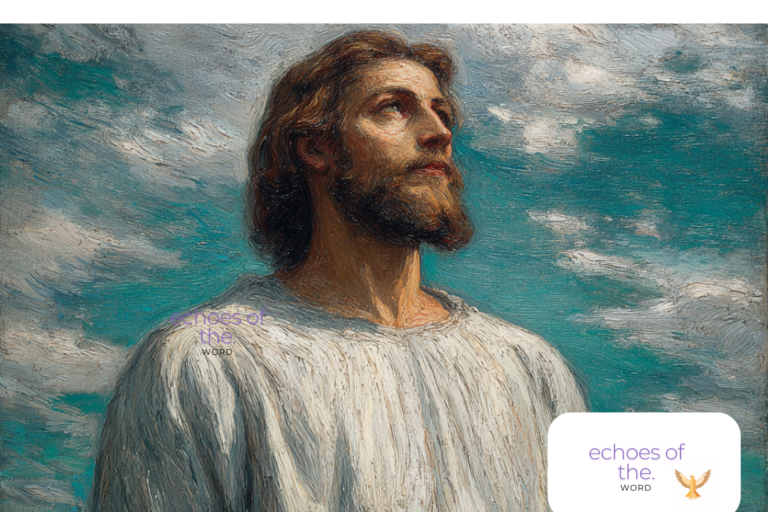
The Enduring Quest for Truth in a Shifting World: A Religious Perspective
In a world that often feels like a kaleidoscope of fleeting trends and ever-changing narratives, the search for truth remains a constant, a deep-seated human yearning. This quest is particularly pronounced within the realm of religion, where foundational beliefs and eternal principles are often seen as anchors in the tempestuous seas of modern life. Today, more than ever, we need avenues for truth for today commentary, spaces where we can grapple with complex questions and find clarity amidst confusion. This article explores the multifaceted nature of religious truth, its challenges in the contemporary landscape, and why its pursuit is as vital now as it has ever been.
The very concept of truth can feel elusive. Is it something objective, universally discernible, and unchanging? Or is it subjective, shaped by individual experience and cultural context? For many, religion offers a framework that attempts to bridge this gap, providing a divine revelation or a set of guiding principles that are considered to be enduring truths. These are not merely opinions, but rather profound insights into the nature of reality, humanity’s purpose, and the ultimate destiny of all things. The challenge, of course, lies in interpreting and applying these truths in ways that are relevant and transformative for our lives today.
Navigating the Labyrinth: Defining Religious Truth
Religious truth is rarely a simple, one-size-fits-all proposition. It often encompasses a rich tapestry of scriptural teachings, historical traditions, philosophical interpretations, and personal experiences. For instance, a Christian might find truth in the teachings of Jesus Christ, as recorded in the Gospels, believing them to be divinely inspired and eternally relevant. A Muslim finds truth in the Quran, believed to be the literal word of God revealed to the Prophet Muhammad, guiding all aspects of life. Similarly, a Buddhist seeks truth in the Four Noble Truths and the Eightfold Path, aiming for enlightenment and the cessation of suffering. These are not just abstract doctrines; they are living traditions that offer practical wisdom and a moral compass.
The authority attributed to religious texts and traditions is a cornerstone of how religious truth is understood. Whether it’s the Torah for Judaism, the Vedas for Hinduism, or the Bhagavad Gita for many Hindus, these scriptures are often seen as originating from a source beyond human invention. However, the interpretation of these sacred texts can vary significantly, leading to diverse theological viewpoints and even denominational differences within the same faith. This highlights the role of hermeneutics – the art and science of interpretation – in shaping our understanding of religious truth. We must engage with these texts critically and thoughtfully, seeking to understand their original context while also discerning their contemporary application. This is where truth for today commentary becomes indispensable, offering diverse perspectives and fostering deeper comprehension.
In the 21st century, religious truth faces a unique set of challenges. The rise of secularism, the pervasive influence of science and reason, and the proliferation of information – and misinformation – through digital channels have all contributed to a questioning of traditional religious narratives. Many find it difficult to reconcile ancient texts and beliefs with the empirical evidence and scientific understanding that characterize our modern world. The very notion of faith can be perceived by some as an irrational leap, a departure from the verifiable facts that science emphasizes. This creates a tension for many, who may hold deep spiritual beliefs but also value scientific inquiry.
Furthermore, the relativism that is prevalent in many contemporary societies can also pose a challenge. When all viewpoints are presented as equally valid, the idea of an absolute or universal truth, a cornerstone of many religions, can seem outdated or even arrogant. The constant barrage of information online means that individuals are exposed to a multitude of beliefs and perspectives, often contradictory. This can lead to a sense of epistemological uncertainty, making it difficult to discern what is genuinely true. For those seeking religious truth, this environment necessitates a discerning mind and a commitment to seeking out reliable sources of information and insightful commentary that can guide them through this complex landscape. The need for truth for today commentary that can bridge the gap between ancient wisdom and modern sensibilities is therefore paramount.
The Personal Journey of Discovering Truth
Ultimately, the discovery of religious truth is often a deeply personal journey. While traditions and teachings provide a roadmap, the actual path is walked by each individual. This journey involves not just intellectual assent but also experiential engagement. Many find that religious truth is not merely something to be learned, but something to be lived, to be embodied in one’s actions and relationships. The transformative power of religious belief often manifests in acts of compassion, justice, and love, demonstrating a tangible outworking of spiritual principles.
This personal quest often involves grappling with doubt, questioning, and even periods of spiritual dryness. These are not necessarily signs of failure but are often integral parts of the process of deepening one’s understanding. The dialogue between faith and reason is crucial here. Many religious traditions embrace intellectual inquiry and encourage their adherents to think critically About their beliefs. Engaging with thoughtful commentary, seeking answers to difficult questions, and sharing one’s struggles with trusted guides or communities can be invaluable. The truth for today commentary that offers honest reflections on these challenges, rather than simplistic answers, can be immensely supportive in this personal journey of discovery.
Living Truth in the Everyday
The pursuit of religious truth is not confined to abstract contemplation or theological debates. Its true value lies in its ability to inform and shape our daily lives. This means translating spiritual insights into ethical conduct, compassionate interactions, and a commitment to justice. For example, a belief in the inherent worth of every human being, a common thread in many religions, should translate into treating everyone with respect and dignity, regardless of their background or beliefs. The principle of stewardship, often emphasized in religious teachings, calls us to care for the environment and use our resources responsibly.
Living religious truth also involves fostering community and connection. Religions have historically provided vital social structures, offering support, belonging, and a shared sense of purpose. In an age of increasing isolation, the communal aspect of faith remains a powerful force for good. Furthermore, engaging with diverse perspectives through truth for today commentary can broaden our understanding and foster interfaith dialogue, promoting a more harmonious and truthful engagement with the world. The application of truth in our everyday actions, big and small, is the ultimate testament to its authenticity and enduring relevance.
The Enduring Relevance of Truth for Today
In conclusion, the quest for truth remains a fundamental human endeavor, and religion continues to be a primary avenue through which many seek it. While the modern world presents unique challenges to traditional religious understanding, the need for meaning, purpose, and moral guidance has not diminished. Indeed, in an era marked by uncertainty and rapid change, the enduring principles offered by religious traditions can serve as a vital anchor.
The availability of insightful truth for today commentary is more critical than ever. These resources help us to navigate the complexities of faith in the 21st century, to reconcile ancient wisdom with contemporary understanding, and to live out our spiritual convictions in meaningful ways. Whether one finds truth in ancient scriptures, personal revelation, or the collective wisdom of a faith community, the journey of seeking and living truth is a testament to the enduring human spirit and its innate desire for what is real, good, and ultimately, true.
Frequently Asked Questions: Truth for Today Commentary and Religion
What is “Truth for Today”?
“Truth for Today” is a religious organization that offers commentary and resources aimed at helping individuals understand and live according to their religious beliefs. Their teachings are rooted in a specific interpretation of Christian scripture.
What is the primary focus of “Truth for Today’s” commentary?
The commentary provided by “Truth for Today” primarily focuses on interpreting and applying biblical passages to contemporary life. They emphasize a literal understanding of scripture and seek to offer practical guidance for spiritual growth and ethical living.
What is the religious denomination or tradition associated with “Truth for Today”?
“Truth for Today” is associated with a conservative, evangelical Christian tradition. They often align with doctrines and practices common to many Protestant denominations, with a particular emphasis on biblical authority and personal salvation through Jesus Christ.
Does “Truth for Today” offer guidance on specific religious practices?
Yes, “Truth for Today” often provides commentary and resources that address various religious practices. This can include guidance on prayer, worship, Bible study, evangelism, and living a life that is pleasing to God, all within their theological framework.
Where can I find more information or resources from “Truth for Today”?
Information and resources from “Truth for Today” are typically available through their official website, publications, radio broadcasts, and potentially social media channels. Their website is usually the most comprehensive source for their articles, sermons, and other materials.