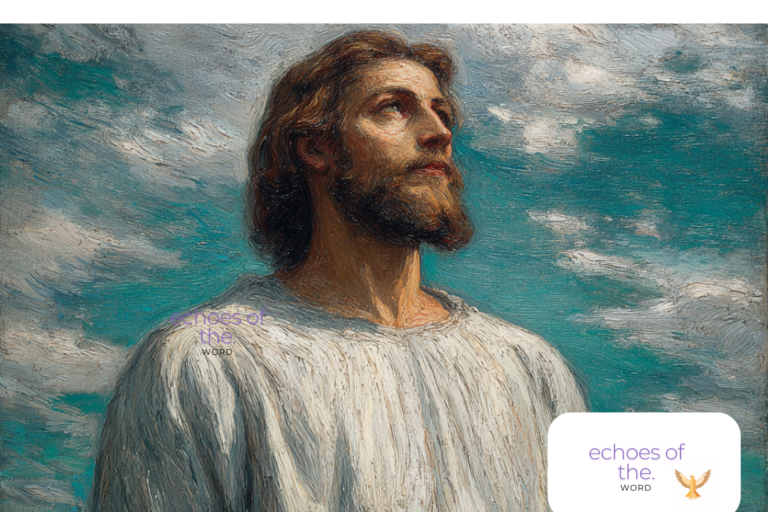
The Power of the Shortest Sermon: Finding Profound Meaning in Brevity
In a world bombarded by endless streams of information and increasingly shorter attention spans, the idea of a lengthy, hour-long sermon can feel daunting, even obsolete for some. We juggle work, family, social commitments, and a constant digital hum. Finding time for deep spiritual reflection, let alone attending extended religious services, can feel like a luxury few can afford. This is where the concept of the shortest sermon emerges not just as a curiosity, but as a potentially powerful and accessible conduit for religious meaning. It challenges the traditional notion that spiritual depth is directly proportional to duration, suggesting that brevity can indeed be the soul of wisdom.
The allure of the shortest sermon lies in its unassuming yet impactful nature. It forces us to distill complex theological ideas and moral imperatives into their absolute essence. Think of it as a spiritual espresso – potent, concentrated, and designed for quick but profound consumption. This approach can resonate deeply with individuals who are time-pressed but spiritually hungry, seeking those moments of connection and guidance that can punctuate their busy lives with meaning. It’s About finding those jewels of truth that can be unearthed and cherished, regardless of their packaging.
The Historical Roots and Modern Resonance of Brevity in Faith
Religions throughout history have, in various forms, embraced conciseness. While elaborate rituals and lengthy discourses have their place, the core tenets of most faiths are often encapsulated in memorable phrases, parables, and commandments. Consider the Golden Rule, present in many traditions: “Do unto others as you would have them do unto you.” This single sentence, a miniature sermon in itself, offers a universal ethical compass that has guided billions for millennia. It’s a perfect example of the shortest sermon in action – immensely practical and deeply profound.
Even within more verbose religious traditions, there are moments of profound brevity. Think of the prophetic pronouncements, often delivered in sharp, incisive language that cut to the heart of a matter. Or the teachings of Zen masters, who frequently employed terse koans to jolt disciples out of conventional thinking and towards enlightenment. These instances demonstrate that powerful spiritual messages don’t require extensive exposition. They thrive on clarity, directness, and the ability to spark introspection, qualities that the shortest sermon actively cultivates. The modern world, with its rapid-fire communication and information overload, is arguably more receptive than ever to this potent form of spiritual expression.
Defining the “shortest sermon” is an exercise in understanding its purpose. It’s not simply About uttering a few words and calling it a day. Rather, it’s About delivering a message that is intentionally concise yet profoundly meaningful. This could be a single, powerful sentence, a short parable, a poignant prayer, or even a silent, contemplative moment imbued with spiritual significance. The key elements are intent, impact, and a distillation of core spiritual principles.
For instance, a pastor might offer a shortest sermon before a congregational blessing: “Love one another, as you are loved.” This short phrase encapsulates the Christian mandate of love, linking it to the divine source of that love. Similarly, a Sufi mystic might offer a moment of silent meditation on the phrase, “In every atom, the Divine resides,” prompting a profound contemplation of God’s immanence. The shortest sermon is a testament to the idea that essential truths can be conveyed with remarkable efficiency, leaving listeners with something to ponder long after the words themselves have faded.
The Practicality and Accessibility of the Shortest Sermon
One of the most significant advantages of the shortest sermon is its inherent practicality and accessibility. For individuals who find it difficult to attend regular religious services due to work schedules, family responsibilities, or geographic limitations, the shortest sermon offers a convenient entry point into spiritual engagement. It can be delivered and received in a multitude of ways: through a quick devotional text message, a brief reflection shared at a family dinner, or even a personal mantra repeated during a commute.
Consider a parent struggling to find time to teach their children About faith. Instead of lengthy scripture readings, they might share the shortest sermon: “Be kind, for everyone is fighting a battle you know nothing About .” This simple, powerful message imparts empathy and compassion in a way that is easily understood and remembered by children. It’s About integrating spiritual values into the fabric of everyday life, making faith a constant, accessible companion rather than a scheduled event. The shortest sermon democratizes spiritual nourishment, ensuring it’s available to everyone, everywhere.
Crafting Impactful Brevity: The Art of the Shortest Sermon
Creating a truly impactful shortest sermon is an art form. It requires a deep understanding of the core message one wishes to convey and the ability to express it with unparalleled clarity and resonance. This isn’t About simplification to the point of triviality; it’s About exacting precision and potent imagery. The goal is to create a statement that strikes the listener like a well-aimed arrow, piercing through distractions and landing directly in the heart or mind.
Think About the parables of Jesus. While some are longer narratives, many are strikingly brief, yet carry immense weight. The parable of the sower, for instance, while a narrative, can be distilled into its core message: “Not all seeds find fertile ground, but the ones that do yield abundantly.” This single sentence, a shortest sermon derived from a longer teaching, speaks volumes About the reception of spiritual truth, the importance of preparation, and the potential for growth. The art lies in identifying these essential kernels of wisdom and presenting them in their most potent form.
The beauty of the shortest sermon lies in its versatility. It can be found in various religious and spiritual contexts, often appearing in unexpected places. For instance, a quote from a revered spiritual leader, intended to inspire and guide, can function as a shortest sermon. Consider the Buddhist teaching, “The mind is everything. What you think, you become.” This is a profound statement About the power of our thoughts and intentions, offering a complete ethical and spiritual framework in just a few words.
Another example could be a simple prayer offered before a meal: “Thank you for this sustenance, and for the hands that prepared it.” This short invocation acknowledges gratitude, interdependence, and the divine provision, all within a few elegantly phrased sentences. Even a moment of shared silence in contemplation of a sacred symbol, like a cross or a crescent moon, can be considered a shortest sermon, a silent yet powerful communication of faith and devotion. The possibilities for delivering and experiencing the shortest sermon are as limitless as the human spirit’s quest for meaning.
The Psychological and Spiritual Impact of Concise Messages
The human brain is wired to respond to memorable and impactful messages. Short, potent statements have a remarkable ability to bypass our analytical defenses and speak directly to our emotional and intuitive centers. This is why proverbs, aphorisms, and indeed, the shortest sermon can be so incredibly effective. They create mental hooks that allow spiritual ideas to linger and germinate within us, influencing our thoughts, attitudes, and actions over time.
When confronted with a shortest sermon, the listener is often prompted to engage in active reflection. Unlike lengthy discourses that can sometimes lead to passive reception, brevity demands participation. The mind is invited to fill in the gaps, to unpack the implications, and to connect the message to personal experience. This active engagement fosters a deeper and more personal understanding of the spiritual principle being conveyed. It’s like a riddle that, once solved, provides a profound sense of accomplishment and insight. The shortest sermon thus acts as a catalyst for inner transformation.
Embracing the Shortest Sermon in Modern Life
In our fast-paced modern world, the shortest sermon offers a much-needed antidote to spiritual overwhelm. It’s a gentle invitation, not a demanding obligation. It allows individuals to weave moments of spiritual connection into the tapestry of their daily lives without requiring significant time investment. This accessibility is crucial for maintaining a consistent and evolving spiritual practice in an era of constant flux.
We can actively seek out and cultivate these moments. This might involve:
Curating a collection of powerful quotes from religious texts or spiritual leaders.
Practicing brief moments of mindful reflection on core spiritual values.
Sharing short, meaningful messages with loved ones to spread encouragement and connection.
Using technology mindfully, perhaps by subscribing to daily devotional apps that offer shortest sermon style reflections.
The shortest sermon is not a replacement for deeper theological study or communal worship, but rather a complementary and vital tool for nurturing our spiritual well-being. It empowers us to find the divine in the everyday, to connect with profound truths in fleeting moments, and to carry the light of faith with us, no matter how busy our lives may be. The shortest sermon reminds us that meaning is not always found in length, but in depth and resonance.
Frequently Asked Questions About the Shortest Sermon
What is the shortest sermon in religious history?
The shortest sermon on record is attributed to Jesus and is found in the Bible, specifically in the Gospel of John, chapter 13, verse 34. Jesus said: “A new commandment I give to you, that you love one another: just as I have loved you, you also, are to love one another.”
What is the significance of this short sermon?
Despite its brevity, Jesus’ command to “love one another” is considered a foundational principle in Christianity. It encapsulates a core teaching of compassion, empathy, and selfless action towards others, emphasizing that this love is modeled after Christ’s own sacrificial love.
Are there other examples of concise religious teachings?
Many religious traditions feature concise ethical teachings or core principles that can be considered “short sermons.” For instance, in Judaism, the concept of “Tikkun Olam” (repairing the world) or the summary of the Law as “Love your neighbor as yourself” are profound but brief. In Islam, the Five Pillars offer a framework for devotion and action. The emphasis is often on the depth of meaning conveyed by a few powerful words.